
 E-Paper



Hero stones: How India’s bond with natural diamonds is evolving

 Prefer HTon Google


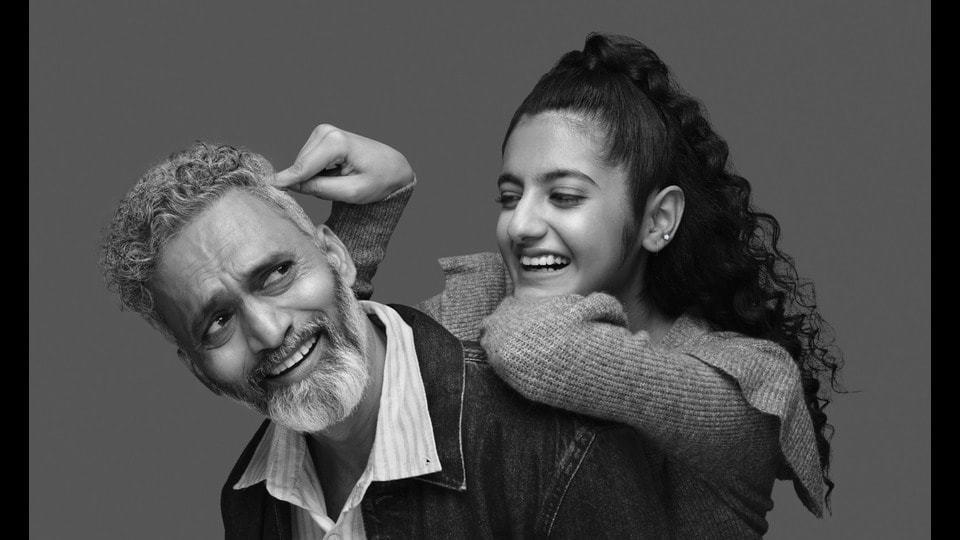
HT SELECT: Legends involving diamonds go all the way back to the start, to myths of the deity Indra. The priceless gems are now worn for luck, and to signal the victory of light over darkness during festivals such as Diwali. See how young India is using practices such as second piercings to create new lore of their own.
“Heera ka haar (string of diamonds),” we say to a child, as an endearment.
It is a phrase that echoes in Hindi, Gujarati, Bengali, Malayalam, Tamil, Telugu, Punjabi.
That’s just one example of how these inimitable gems, timeless and rare, echo through India’s ancient culture, as a jewel to be worn and flaunted, but also as a metaphor: for something precious, enduring and powerful; something to be treasured, and held close.
The echoes go all the way back to the beginning.
In Sanskrit, the word “vajra” means both “thunderbolt” and “diamond”, inextricably linking the gemstone with the God of storms, Indra. The vajra is his weapon, a symbol of invincibility.
Ancient texts link these gems, in different hues, to various deities. Apsaras or celestial nymphs are said to wear them as jewellery, and almost as weapons: sharp-edged stones that glitter, embellish, and protect.
Their exalted status has made them fixtures on auspicious days such as Diwali. Used in festival jewellery, they are symbols of the triumph of light over darkness.
ONE GEM TO RULE THEM ALL
Legends abound around the natural diamond.
In the modern era, there is of course the legend of India’s most famous diamond of all: the Koh-i-Noor (Persian for Mountain of Light). This 105.6-carat gem, famous for its beauty, size and brilliance, is now part of the crown of the British monarch.
Its story was intriguing long before it ended up there, disputed, with India still demanding it back. In the 1830s, the founder of the Sikh empire, Maharaja Ranjit Singh, is said to have made a wish on his deathbed. The Koh-i-Noor should be sent to the Jagannath Temple in Puri, Odisha, as a religious offering, he said.
After his death, the bequest was disputed. His chief priest reportedly supported the donation and wanted to fulfil the king’s last wish. The kingdom’s treasurer maintained that the priceless diamond belonged to the Sikh state and could not thus be bequeathed.
It was never sent to Puri. It fell into British hands after the fall of the Sikh empire.
THE NEW LORE
Today, these gems form part of a different kind of lore: the stories we tell about ourselves.
Second piercings, for instance, are increasingly popular among young Indians as an everyday luxury and a sign of independence. These can celebrate a milestone, or a perceived flaw; serve as symbols of independence or be bequeathed by a parent to a child.
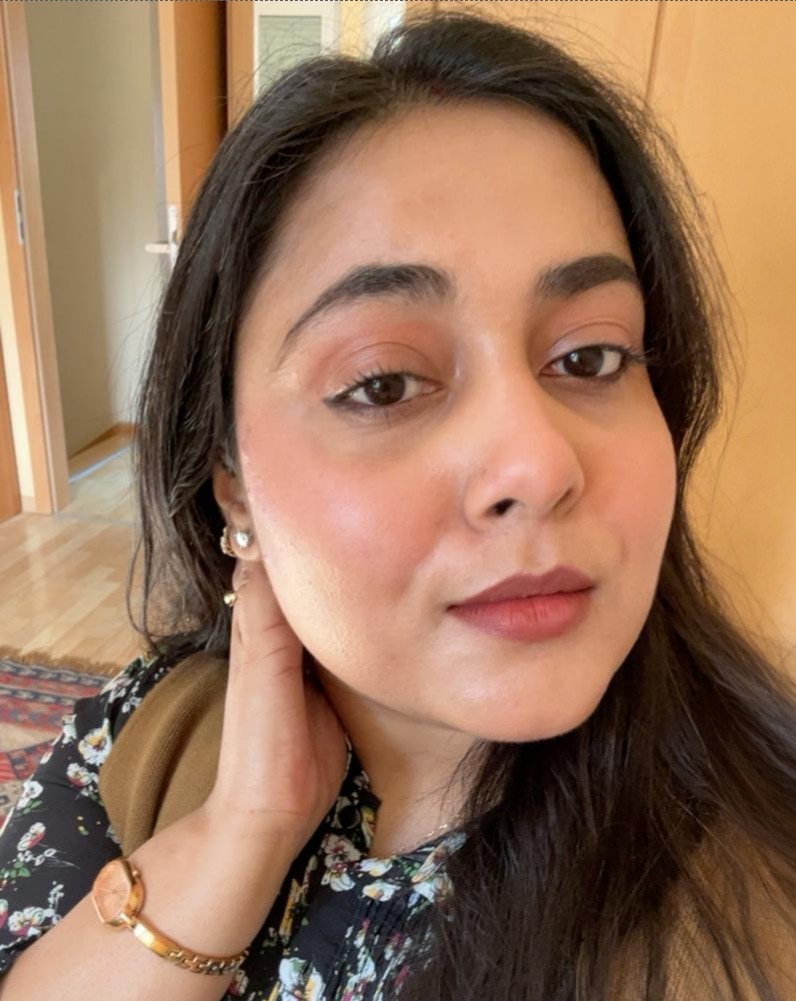
* The spur-of-the-moment buy: Vanya Lochan, 29, a communications and brand consultant from Ranchi now living in Berlin, says her mother bought her a pair of small diamond danglers when she finished school in 2012. “Years later, as a proper grown-up, I still wear them, but in my second piercing,” she says.
Lochan was hanging out in Ranchi with a cousin five years ago, eating momos, when she saw a tattoo parlour next door and got those piercings, she says. “I thought to myself: Why not? So I just walked in and did it.”
Today, the piercing signals independence and agency. The natural diamonds she wears in them also remind her of her mother. “It’s all part of the story of who I am,” she adds.
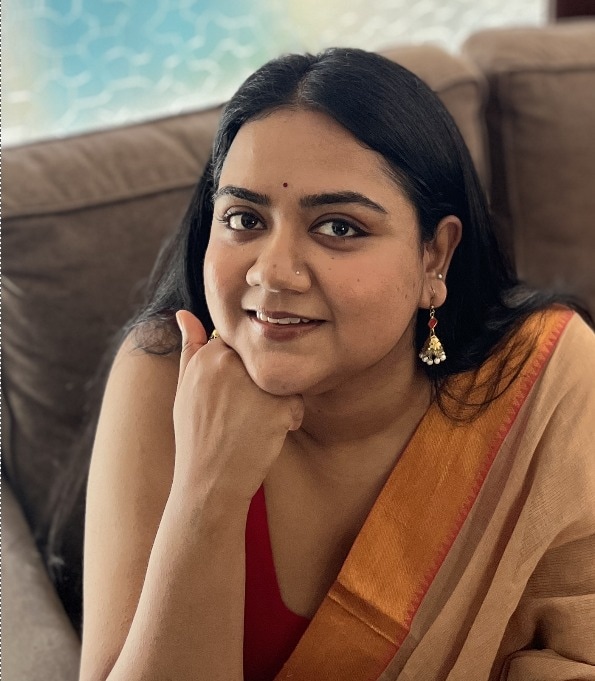
* An easy fix: In Kolkata, Debsruti Basu, 34, who works with the consultancy PwC, says she grew up with lopsided first piercings. “That made me really want perfect second ones. So, for my 30th birthday, I gifted myself a pair of diamond studs to go with my new piercings,” she says. “In a silly way, both felt like really special milestones, because I didn’t have to wait for an adult to approve my decision or even to help me make a luxury purchase like these diamond studs. They continue to mean a lot because they signal to me that I will be able to look after myself, financially and otherwise.”
Acknowledging this trend, companies such as De Beers have launched Second Ear Piercing campaigns, presenting a daughter’s second piercing as a coming-of-age moment and a choice she makes that her family can celebrate with her.
The campaign was launched in March last year, with a Love, From Dad collection that allowed fathers to gift natural-diamond studs to their children to mark such a milestone.
This year, De Beers had expanded the campaign, with activations across 52 stores in nine cities. As part of the outreach, fathers and daughters were encouraged to exchange letters, share stories and have photographs taken together to mark the moment.
The 2026 drive aimed to also widen the conversation around fatherhood, through a campaign that featured actor Pankaj Tripathi, while actor and columnist Twinkle Khanna hosted a Father’s Day conversation with comedian Atul Khatri, actor Samir Soni, photographer Dabboo Ratnani and entrepreneur Varun Duggirala about their experiences as fathers to daughters. In this way, the eternal stones find new meaning, in each new generation.
There are all kinds of other lore too.
* A promise of better times: Malancha Dhar, a 61-year-old homemaker in Kolkata, works hard to lift her spirits between bouts of illness. She signs up for new classes, and plans trips with cousins. “These are the true joys of life,” she says.
Earlier this year, after a particularly difficult spell, she decided to splurge on herself. “I bought myself a pair of diamond earrings on Bengali New Year,” she says. “It’s very unlike me to do something like this. I can’t remember the last time I bought anything this luxurious for myself.”
Life is too short not to do the unexpected; to not surprise yourself, she adds. “That’s a principle I hope to live by more firmly in the years to come.”
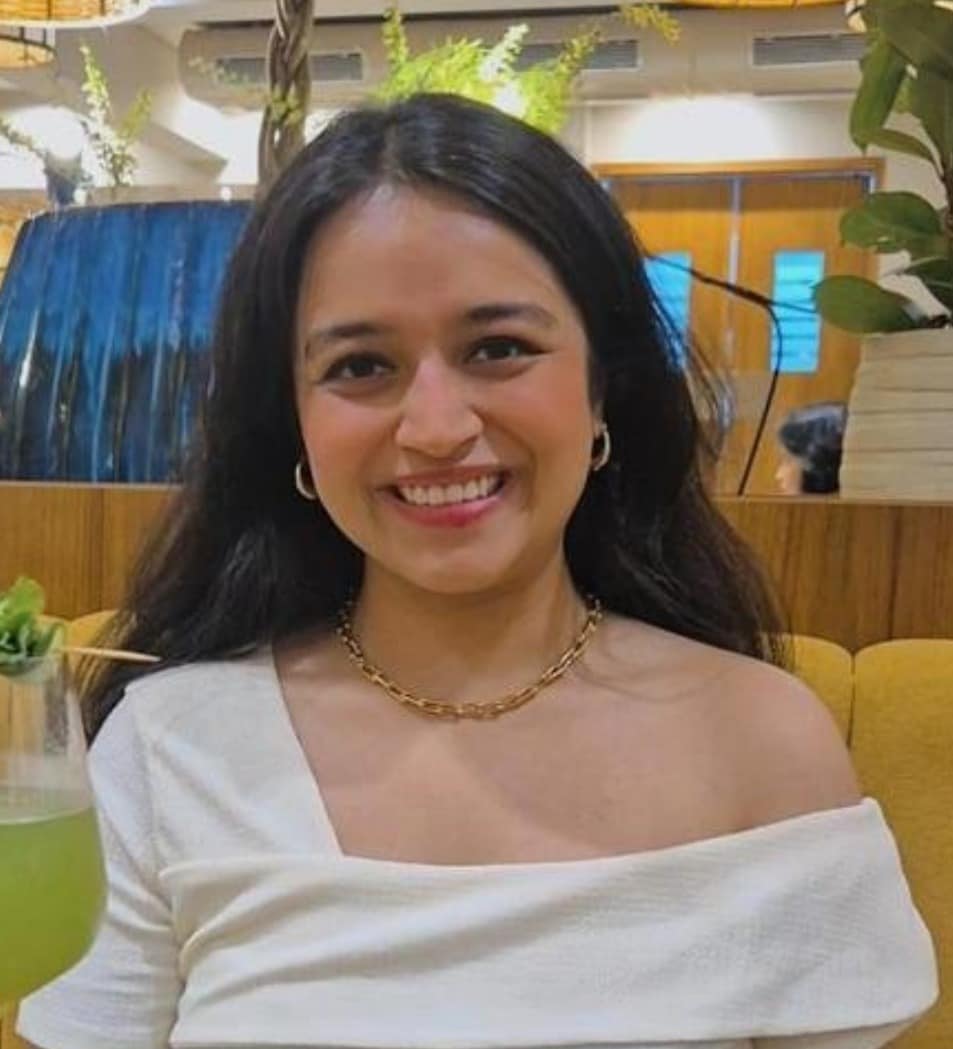
* A token of trust: Two years ago, amid her divorce, communications consultant Devika Sharma, 33, decided to buy herself a solitaire on Dhanteras. She had old jewellery she wanted to repurpose, including gifts from her wedding. She sold some of it and used the money to buy herself the ring.
It was a process she had never handled before, and it felt like a turning point, she says. A few months later, she took her mother through the same steps, helping her sell old gold and buy new jewellery.
“The experience taught me to trust myself more. I realised I could figure things out on my own, even when I had never done them before,” Sharma says.
It taught her an important lesson too: Good things will come, but sometimes it will be because you stopped waiting, and simply reached out and claimed them.


