
 E-Paper



Less colour, more character: Why rich textures and muted base shades are shaping modern home interiors
Muted colours and rich textures are shaping home interiors. Here's what an expert says about this shift towards layered finishes and timeless design.

 Prefer HTon Google


Our Picks
FAQs
Our Picks
| Product | Rating | Price |
|---|---|---|
SAJAVAT HOME Hand Knitted Cotton Sofa Throw Blanket | Beige Multi All-Season Accent for Sofa, Couch & Bed | Soft Lightweight Knit with Tassels | 80×52 Inches (204×132 cm)View Details  | ₹1,139 | |
 | ||
Furnistitchs Bohemian Cotton Sofa Throw Blanket 50x60 inches | Waffle Knit & Chevron Pattern with Fringes | Aesthetic Decorative Couch Throw for Living Room & Bedroom (Grey Waffle)View Details | ₹449 | |
| ||
Handloom Cotton Waffle Throw Blanket with Tassels for Sofa & Bed 125×150 cmView Details | ₹379 | |
| ||
Crosscut Furniture LED Tripod Floor Lamp with 3 Shelves, Brown Jute, Metal Corner Floor Lamp, for Decoration and Gifting,B22 BulbView Details | ₹1,439 | |
| ||
Divine Trends Modern Table Shelf LED Floor Lamp Standing Brass Antique Finish Gold 5ft Height with Shelf Diameter 10 Inches and Off White Lampshade (Pack of 1)View Details | ₹6,350 | |
| ||

Research-Backed Choices
Every product we recommend is chosen through a combination of Primary Research and Secondary Research.
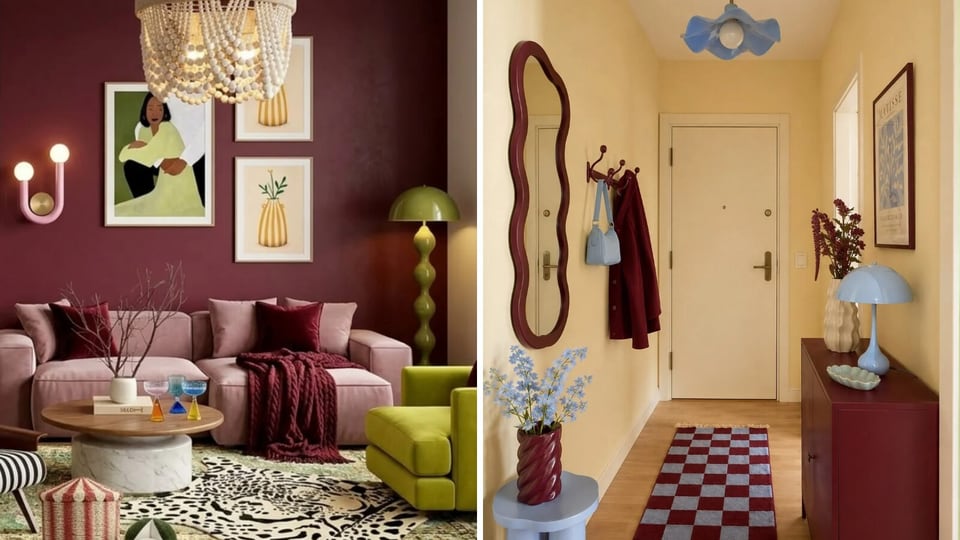

Modern home interiors are increasingly embracing muted colours and rich textures, shifting the focus away from bold accent walls towards natural materials and layered finishes. But what is driving this change, and how can homeowners bring this understated aesthetic into their spaces? Purva Gokhale, concept designer and founder of D20 Elements, explains why warm base shades and tactile surfaces are becoming central to contemporary interior design.
According to Gokhale, this shift reflects a change in how people want their homes to look and feel. As everyday life becomes increasingly busy and visually demanding, interiors are being designed to offer a sense of calm while retaining warmth and individuality. Rather than relying on dramatic colours or statement walls to define a room, designers are exploring the interplay of surfaces, finishes, natural materials and light. The result is a space that feels layered, inviting and timeless without appearing overly styled.
1. Muted base colours create a calmer foundation
Base colours play an important role in setting the mood of a room. Shades like warm white, cream, soft taupe, washed ochre and limestone-inspired beige create a subtle backdrop, allowing furniture, fabrics and decorative elements to work together without competing for attention. As Purva Gokhale explains, interiors are moving away from relying on strong colour contrasts to define character. Muted shades offer a more understated starting point, letting a space’s personality emerge through its materials, proportions and finer details.
For homeowners, this does not mean every wall needs to be painted the same shade of beige. The goal is to create a cohesive colour foundation that works across the walls, flooring, and larger pieces of furniture. Different undertones can be introduced to prevent the room from looking flat, while accents such as artwork, cushions, or ceramics can add contrast where needed. Warm base colours also pair well with natural materials such as wood, stone, linen, and jute. This makes it easier to update smaller elements of the decor without redesigning the entire room.
2. Texture is becoming more important than colour contrast
When a room uses a restrained colour palette, texture becomes one of the most effective ways to add visual interest. Rather than relying on contrasting shades to make individual elements stand out, designers are pairing surfaces that look and feel different from one another. A smooth microcement floor can be paired with open-grain oak furniture, while a matte plaster wall can sit alongside a bouclé sofa or slubbed linen curtains. Similarly, a stone coffee table can add a sense of solidity to a room filled with softer fabrics and rounded furniture.
The key is to create contrast through material rather than colour alone. When surfaces have different finishes, the eye moves naturally around the room, noticing details gradually instead of being drawn to one dominant feature. For homeowners looking to introduce this approach, begin with two or three contrasting textures in the same colour family. Combine smooth and rough, soft and structured, or polished and matte finishes. This can make even a simple neutral room feel more considered without adding too many colours or decorative objects.
3. Natural finishes give walls more character
Plain painted walls are giving way to finishes that introduce subtle movement and depth. Limewash, hand-applied plaster, brushed stone and fluted timber are among the surfaces that can add character without requiring a bright colour or elaborate wall treatment. Unlike a uniformly painted wall, textured finishes create slight variations in tone and surface. These details become more noticeable as natural light changes throughout the day, creating soft shadows and gradients that make the wall feel less static.
According to Gokhale, texture also affects how a space responds to light. A fluted timber panel, for example, casts fine shadows along its grooves, while a limewashed wall can display subtle tonal shifts depending on the direction and intensity of the light. Homeowners do not necessarily need a full wall renovation to create this effect. A textured finish on one wall, a fluted wooden panel, or a stone-finish console can add depth without making the room feel visually busy. The key consideration is balance. If the walls already have a pronounced texture, simpler furniture and restrained accessories can help maintain a cohesive look.
4. Layered materials make minimal interiors feel warmer
Minimalism can sometimes feel cold when it relies entirely on smooth surfaces, sharp edges, and a limited range of finishes. A neutral palette alone does not automatically make a room feel inviting; the materials used throughout the space matter just as much. Layering adds the softness and variation that can otherwise be missing from pared-back interiors. A wool rug, linen bedding, timber furniture, and a textured lampshade can make a bedroom feel warmer without adding unnecessary ornamentation. In a living room, woven cushions, a tactile throw, and a stone or wood coffee table can create a similar effect.
Gokhale's approach emphasises moving away from sterile perfection toward materials that feel natural and lived-in. Small variations in wood grain, fabric weave, and handmade finishes can give a room individuality without making it seem cluttered. This also aligns with principles in biophilic design, which draws inspiration from nature, and wabi-sabi, which values imperfection and the beauty of materials that reveal their natural character. For a starting point, choose a few materials that match one another rather than buying decorative accessories in large amounts.
5. Lighting brings out the beauty of textured surfaces
Lighting plays a significant role in how colours and textures appear indoors. The same wall finish can look subtle in bright daylight and more pronounced under warm evening lighting. This changing quality gives textured interiors a sense of depth throughout the day. Natural light can highlight the grain of timber, the unevenness of handmade tiles and the subtle variations in plaster. In the evening, table lamps, wall lights and indirect lighting can emphasise these details while creating a softer atmosphere.
Rather than relying on a single bright ceiling light, homeowners can use multiple light sources at different heights. A floor lamp beside a sofa, a wall light near a textured surface, or a table lamp on a wooden console can help spread light more softly. Placement matters, too: light directed across a textured wall tends to reveal its relief more clearly than light shining straight at it. This can be useful when highlighting fluted panels, textured paint, or stone surfaces.
6. Natural materials help interiors age gracefully
One reason muted colours and rich textures work so well together is that they stay versatile over time. Strong colour trends can change quickly, but a base of warm neutrals and natural materials can suit different furniture styles, accessories, and decorative accents. Wood develops its own character with use, natural stone has variations that make each piece distinctive, and woven fabrics add subtle irregularities to a room. Together, these qualities can make interiors feel less manufactured and more personal.
Gokhale emphasises that choosing solid base colours and honest textures is not just about following a seasonal trend. It is about creating spaces that keep their appeal as tastes change. For homeowners, this means investing carefully in longer-lasting elements such as flooring, furniture and wall finishes, while using cushions, artwork, lampshades and smaller accessories to bring in changing colours or styles. Natural materials still need proper care. Timber, stone and textured finishes have different maintenance needs, so their suitability should be considered alongside their appearance.
How to bring this trend into your home without a major renovation
You do not need to renovate your home to introduce muted colours and rich textures. Small, well-planned changes can create a similar effect while keeping the existing layout and furniture intact.
- Start with textiles: Replace flat cushion covers with textured linen, cotton or bouclé options. Add a woven throw or a rug to introduce another layer.
- Bring in natural wood: A wooden side table, tray or frame can add warmth to a room dominated by painted or synthetic surfaces.
- Choose tactile accessories: Handmade ceramic vases, stone-finish objects and woven baskets can introduce subtle variations without creating clutter.
- Update the lighting: Use table lamps or wall lights to create softer pools of light and bring out the character of existing surfaces.
- Introduce texture selectively: If repainting is not an option, use textured artwork, a fabric headboard or a fluted decorative panel to create a focal point.
Disclaimer: At Hindustan Times, we help you stay up-to-date with the latest trends and products. Hindustan Times has an affiliate partnership, so we may get a part of the revenue when you make a purchase. We shall not be liable for any claim under applicable laws, including but not limited to the Consumer Protection Act, 2019, with respect to the products. The products listed in this article are in no particular order of priority.


