
 E-Paper



Lovlina Borgohain: The early years

 Prefer HTon Google


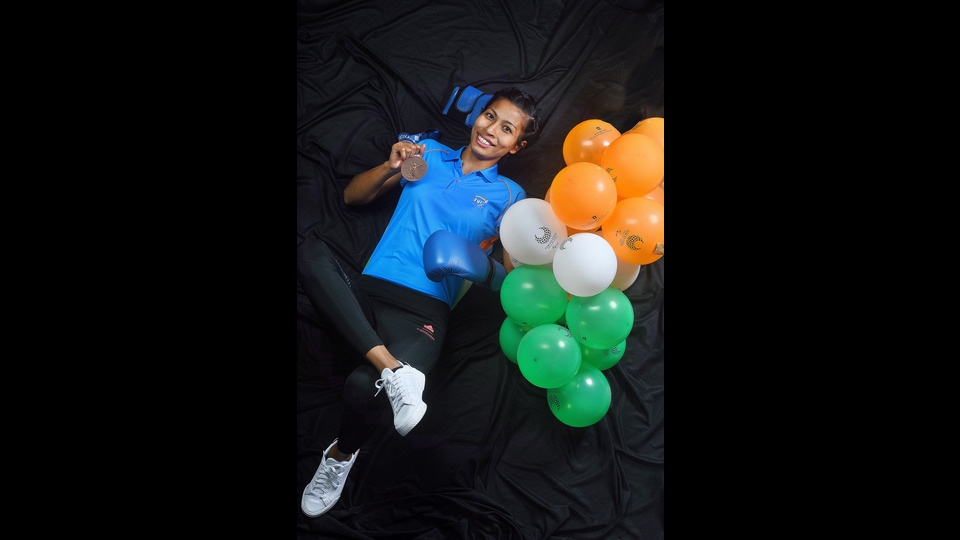
The 23-year-old boxer who won bronze at the Tokyo Olympics discusses childhood, parents and her take on how winners are made.
Boxer and Olympic bronze medallist Lovlina Borgohain’s father worked at a tea factory, earning ₹2,500 a month in 2004-05. He loved sports and encouraged his three daughters to play. Borgohain’s mother raised them with ambition and a sense that they must be able to fend for themselves. “I always knew I had to do something. I didn’t know what,” says the 23-year-old. See how it all took shape
You’ve said both parents wanted you and your sisters to have goals...
My mother would say: You can do everything and you will do everything. My father also encouraged us a lot to play sports. He played different ones when he was in school; not one particular sport. But he always loved sports.
I wasn’t very good at sports in school. I didn’t win medals in running, long jump or athletics. But with dedicated training for kickboxing, I began to become good at it.
I always knew I had to do something. I didn’t know what. As a child, I didn’t know how to “become a successful person”. It was after getting into boxing (in 2012), that it became possible to define a goal.
What do you love most about boxing as a sport?
It’s very technical. You have to work your body and your mind, in unique and challenging ways. You are attempting to beat your opponent in their own mind too. So you’re trying to get into her head and beat her while she tries to do the same thing. Sometimes you’re also trying to use her own tactics against her. It’s very interesting, to try and guess what is going on in the other person’s mind and defend yourself while using that to defeat her.
You’ve been calm, confident, self-assured through the games, the wins, the loss. Were you always like this?
I have always known my goal. But I used to wonder if I was going about things the right way. There are always more people to tell you what you’re doing wrong than what you’re doing right. And that can have an effect on how you think about yourself.
How important are positive feedback and positive reinforcement to you?
It’s hard not having people say positive things. If it’s all discussions of what I am doing wrong, I can’t get a sense of what is good about me. And without a sense of what is good, how can I get better? Hearing what you’re good at makes you believe in yourself more too. Makes you believe you can do better. Everyone needs motivation. Needs someone to tell them they’re so good, they could win with a broken arm. That is how winners are made.


