
 E-Paper



Tired of plain walls? This traditional Indian craft is giving homes a luxury makeover
Love the story and beauty embroidery brings to your sarees? Here's why this timeless craft is now making its way into home interiors.

 Prefer HTon Google


Research-Backed Choices
Every product we recommend is chosen through a combination of Primary Research and Secondary Research.


Need extra funds for your next purchase?
Loan up to ₹5 Lakhs
Starting at 11% p.a.*
Growing up, I realised that some of the things we keep at home carry a story of their own. Take embroidery, for instance. A handcrafted handkerchief stitched by your mother may eventually find its way into a piece of wall art. These aren't just beautiful details; they carry emotions, cultural heritage and, most importantly, stories of where they came from.
Just as you may look for a particular embroidered saree or handcrafted piece, that same appreciation for embroidery is now finding its way into home interiors. From wall art to stitched home decor, the craft is finding a new place beyond clothing and textiles.
And honestly, there is something comforting about it. Seeing these embroidered or handcrafted details around the home can bring a sense of nostalgia, even for stories and traditions we may not have experienced ourselves. Perhaps that is what makes this age-old craft feel so relevant in today's interiors.
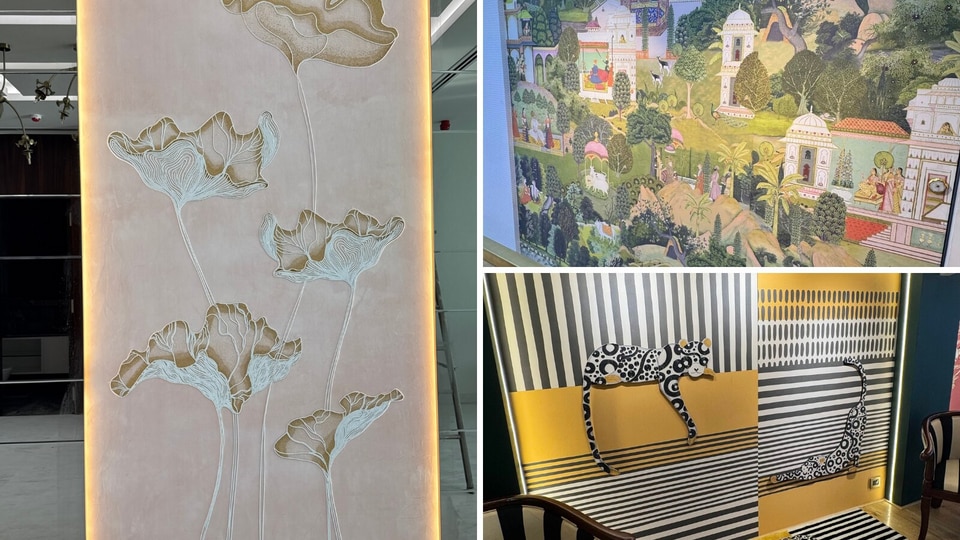
According to Neha Jain, Co-Founderof Space of Joy, this shift is bringing together India's rich craft heritage with contemporary interior design. Traditional embroidery, she explains, is being used to create luxurious and personalised wall décor that can add warmth, texture and character to a space.
From sarees to statement walls, Indian embroidery is finding a new canvas
Embroidery has long been an important part of India's artistic heritage, appearing across clothing, furnishings and handcrafted textiles. Traditional techniques and motifs can now be interpreted through contemporary wall decor, allowing the intricate detailing associated with Indian craftsmanship to pair with modern furniture, clean lines, and contemporary layouts.
This blend is great because it doesn't require a home to look traditionally Indian from floor to ceiling. A handcrafted embroidered wall can sit within an otherwise contemporary room, creating a contrast between modern architecture and traditional artistry. That balance can make the craft feel relevant to today's interiors rather than simply nostalgic.
The luxury interior trend that makes your home feel less mass-produced
One of the strongest reasons behind the appeal of handcrafted decor is the growing desire for individuality. A room filled with identical or widely available decor pieces can look polished, but it may not always feel personal. Handcrafted pieces offer another approach.
According to Jain, embroidered walls can be customised according to the space and the homeowner's preferences. Colours, patterns and themes can be adapted to reflect individual tastes, memories and lifestyles. A softer embroidered design could work in a bedroom, while colourful motifs could bring character to a children's room. In a living room, a larger statement wall could become the focal point of the space. The same idea can also extend beyond homes to boutique hotels and offices.
Why could texture be the secret to making modern interiors feel warmer?
Contemporary interiors often rely on clean lines, minimal furniture and streamlined surfaces. While this can create a sophisticated appearance, an overly uniform room can sometimes feel visually flat. This is where handcrafted embroidery can add another layer.
The combination of texture, colour and intricate detailing can soften the appearance of a modern space without overwhelming it. Instead of replacing contemporary design, embroidered decor can work alongside it. Think of a clean-lined room with a handcrafted statement wall. The modern furniture provides structure, while the embroidered detailing introduces warmth and visual interest. This creates a balance between the polished look of interiors and the imperfections and individuality associated with handmade craftsmanship.
Your statement wall could tell a story
Personalisation becomes more meaningful when the decor connects with the people living in the home.
Instead of choosing a wall design simply because it is trending, homeowners can look for patterns, colours or motifs that have some personal significance. A nature-inspired design might reflect a love for greenery. A heritage motif could connect the space to Indian craftsmanship. A custom artwork could represent a memory, place, or personal interest. And perhaps that is what makes handcrafted embroidery particularly relevant to today's luxury interiors.
The trend also gives traditional artisans a place in modern interiors
Bringing embroidery into contemporary interiors isn't only about aesthetics. According to Jain, incorporating hand embroidery into modern spaces can help create new opportunities for skilled artisans while keeping traditional techniques relevant for today's design industry.
So, should you be replacing the wallpaper with embroidery?
Well, yes, if you love art and self-expression. But if you prefer a minimalist home décor style, you may want to skip it. The appeal of this trend is not necessarily about covering your walls with embroidery. Instead, it is about adding a personal touch to your home. Even a single statement piece can make an impact. You could use embroidered artwork as a focal point or choose a smaller handcrafted piece rather than covering an entire room.
Could embroidered interiors become more common?
Traditional embroidery's shift from clothing to walls reflects a broader change in how luxury is interpreted. Handcrafted embroidered walls bring together originality, craftsmanship and personal expression while giving an age-old Indian craft a place in contemporary interiors. For homeowners tired of seeing the same interiors repeated everywhere, this could offer a more personal alternative. Because sometimes, the most luxurious thing you can add to a home isn't another expensive object. It's something that feels like yours.
Disclaimer: At Hindustan Times, we help you stay up-to-date with the latest trends and products. Hindustan Times has an affiliate partnership, so we may get a part of the revenue when you make a purchase. We shall not be liable for any claim under applicable laws, including but not limited to the Consumer Protection Act, 2019, with respect to the products. The products listed in this article are in no particular order of priority.


