
 E-Paper



Listicle: 10 places where the internet can’t reach you

 Prefer HTon Google


If you’ve secretly dreamed of going MIA, these 10 no-network locations are perfect. Your SIM card will ghost you. You’ll be forced to live in the moment. But the views? So worth it
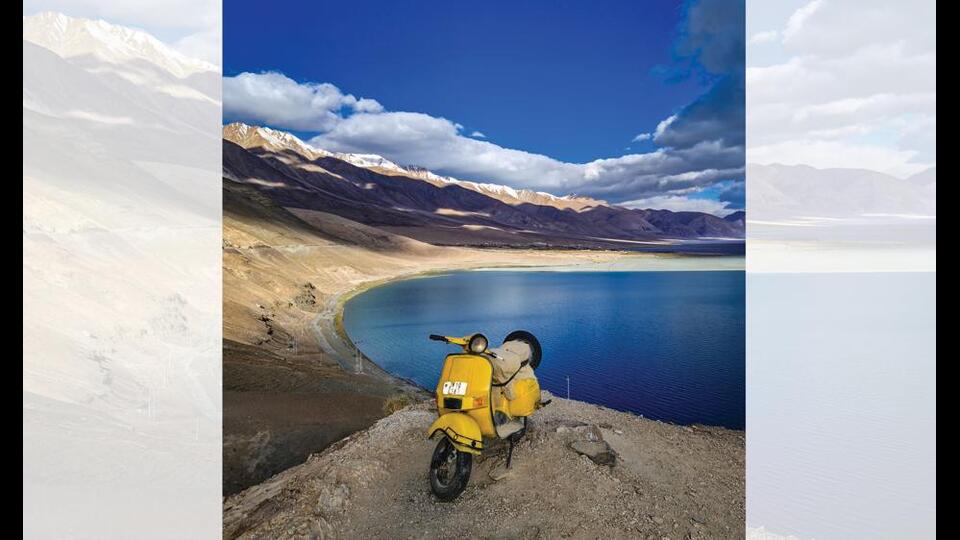
Pangong Tso, Ladakh. You can whip out your phone and take pics and videos of this pristine, 134 km, land-locked river basin, 14,000 feet above sea level. But you won’t be able to post anything until you reach the closest towns, a few hours away. It’s not just because it’s difficult to build telecom towers in the remote region, but also because 60% of the lake lies in China, with the eastern end in Tibet. The Line of Actual Control passes through it. Perhaps the perfect place to think about who you are when you’re disconnected from the wired world.
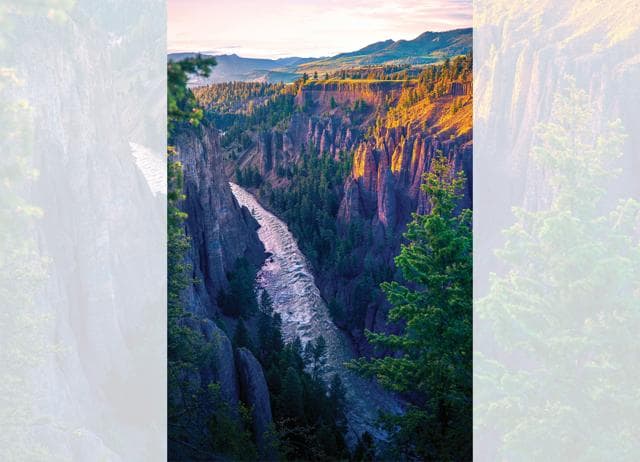
Yellowstone National Park, USA. The US offers phone coverage in many of its parks (useful for stranded hikers and animal attacks). But Yellowstone is just too vast, 9,000 sqkm, and the government is wary of erecting towers over the billion-year-old geysers, volcanic deposits and potential fossil sites. It means visitors must keep busy with hiking, biking, camping, fishing, photographing and other sidequests. Better than doomscrolling.
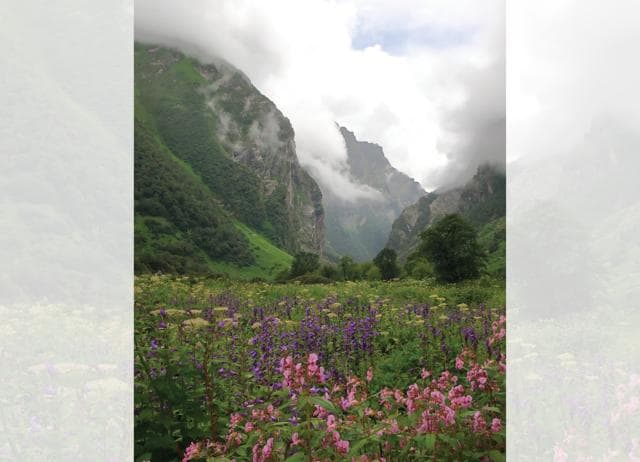
Valley of Flowers trail, Uttarakhand. Once you hit Ghangaria (10,520 ft), the base camp from where the trail begins, cellular signals are already unreliable. Deeper into the valley, the four bars disappear. The high mountain ranges block line-of-sight propagation coming from cell towers in the lower towns. So, trekkers must touch grass, enjoy the floral trail, and make memories. The next spot for connectivity: Govindghat, nearly 20 km away.
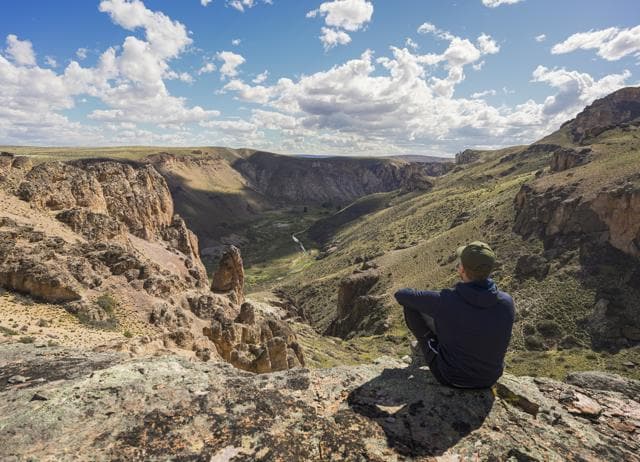
Patagonia, South America. Switch your heart to Explorer Mode, on both the Argentinian and the Chilean side of this region. There just isn’t enough human habitation in the mountains for companies to bother with offering connectivity. So, hikers download offline maps and other details, groups stop and share essential info as they pass. The lodges and cafes at the edges act as nodal points. This is a feature, not a bug. Everyone’s here to disconnect.
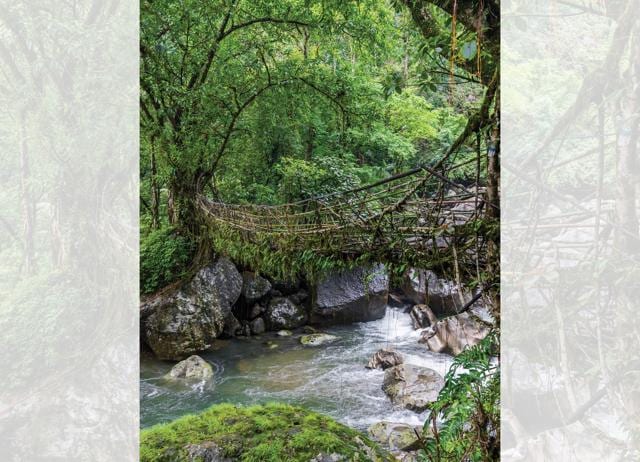
Mawlynnong, Meghalaya. The cleanest village in Asia has gardens, hiking paths, rich biodiversity and nearby, a single-decker bridge made of live tree roots over a sparkling stream. What it doesn’t have is a reliable way to keep in touch with the world. Blame security (it’s close to the Bangladesh border), local power cuts and the heavy storms and lightning that damage the power grid. The locals live in the moment, as must you.
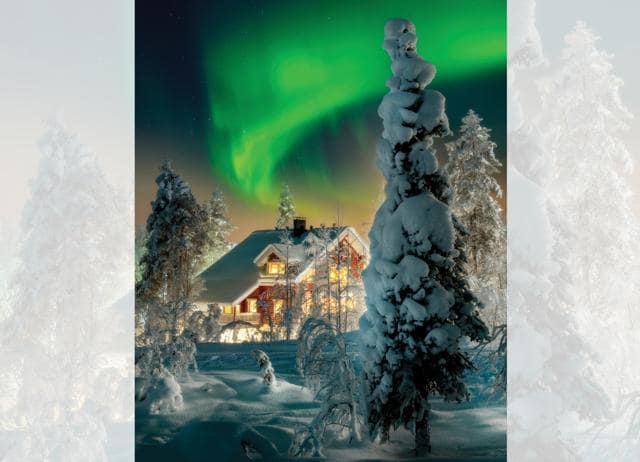
Lapland’s ‘Aurora’ wilderness, Finland. The magical Northern Lights are visible across Scandinavia. But Lapland is where the serious tourists go. The area is free of crowds, light pollution and digital distraction, to offer the cleanest views of the Aurora Borealis. No mobile network (the extreme cold drains phone batteries very quickly, anyway). Most log cabins and national park huts stay off-grid. Staff members knock on guest-room doors when the heavens put on a light show.
Roughly all of Eritrea. Nearly 82% of the world’s physical landmass has no terrestrial cellular reception. But where humans live, almost every nation has made sure its people stay connected. In Eritrea (which the media calls the North Korea of Africa), less than 1.5% of the population has access to the internet. SIM cards are issued by the state-owned provider and only support voice calls – no mobile data. Internet cafes exist in some cities, with speeds so slow, it’s like the dial-up era all over again.
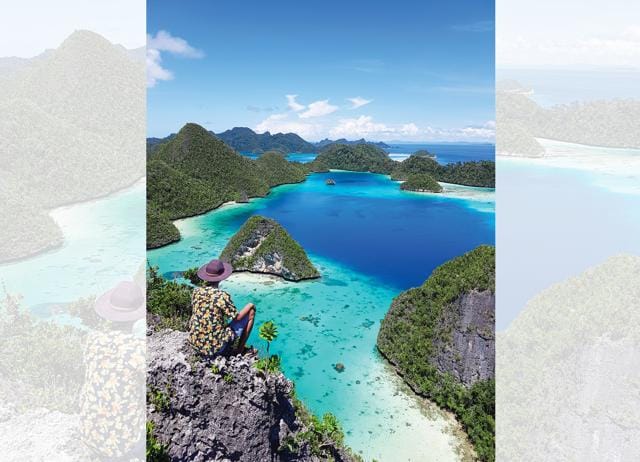
Raja Ampat, Indonesia. The isolated archipelago is where to go for some of the planet’s richest marine ecosystems, 600 coral species, and a thriving scuba and snorkelling scene. Tourists come for the crystal-clear waters, to discover hidden lagoons and limestone islands. But during island hops, don’t hope for cell signals. Even on the main islands, only a few hotels have some cellphone reception. Because it’s hard to build cell towers in the ocean bed to keep everything connected.
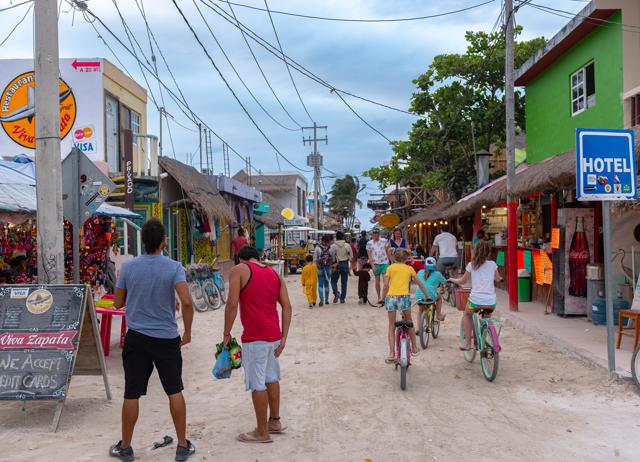
Isla Holbox, Mexico. Holbox comes from the Yucatec Mayan words hool (hollow) and boox (black), which translates directly to Black Hole, for the dark water of the lagoon and the rocky channels that separate the island from the Yucatán Peninsula. By coincidence, it’s also a black hole for internet connectivity. Infrastructure on the island hasn’t developed enough for high-speed fiber lines. Storms disrupt power supply. Hotel Wi-Fi doesn’t support Zoom calls or cloud syncs. No working vacations possible. Perfect. Just unwind.
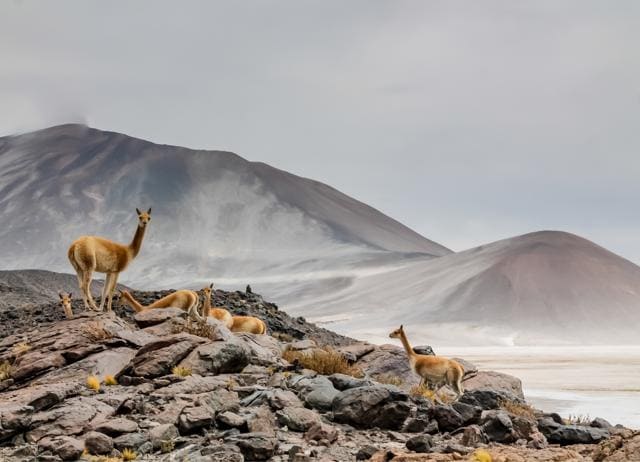
Atacama Desert, Chile & Peru. This is the driest desert on Earth, with numerous salt pans and muddy ravines that make it look like a moonscape. Adventure aficionados come for the uncharted trails in the backdrop of the Andes. They know they’ll lose their mobile signal in the desert – there are no towers in the shifting sand, the dry climate is harsh on the tech. So, they log off and look up. This is one of the planet’s best spots for stargazing.
From HT Brunch, October 24, 2026
Follow us on www.instagram.com/htbrunch


