E-Paper



Grape expectations: How to pick the right wine
See, swirl, sniff, sip, savour. Follow this guide to picking the right wine, and spit out the snobbery of it all

 Prefer HTon Google


Start safe.
“Your palate evolves over time,” says Kewadkar. He recommends beginning with an off-dry (slightly sweet) wine. He names the Early Dark Rosé as a good Indian option, and Scaia and Clarendelle as imported ones. Then, move to more acidic wines, and eventually, aged wines such as Bordeaux.
Stay in your price range.
“Wine isn’t cheap, particularly in India, so set a budget,” recommends Singh. Jaiin recommends stocking up on foreign labels at duty free outlets, because they do not incur national or state taxes. Kewadkar advises not to pick a bottle above $15-20 for those just starting out. “And don’t get carried away by the price tag,” he says. “An expensive wine isn’t always a good one. Stick with the $10 wine if that’s what you prefer.”

Trust yourself.
Forget what friends drink and what the boss has been buying. Buy wines that you have enjoyed yourself. Make a note of the label when a particularly interesting wine is being served at a party. “Trying more wines helps appreciate their nuances and develops the palate,” says Jaiin.
Think regional.
Indian wines have come of age in recent years. Singh’s “top of the line” picks include Sette from Fratelli, Rasa from Sula, Krsma Estates’s Cabernet Sauvignon, and J’Noonl by Fratelli in collaboration with Jean-Charles Boisset. Jaiin recommends Grover Zampa’s Signet range and Sula’s The Source. Kewadkar recommends his own wine, Clovely Brut, which is bottled in France but made exclusively for India. “It is affordable, which makes it ideal for hosting house parties,” he says.
And consider the market.
India’s wine industry is concentrated in Maharashtra and Karnataka, with the former boasting better storage facilities and greater variety, though the wines are sold across the country. Delhi has a good selection of imported wines but fewer domestic ones owing to local laws. Stores that sell alcohol usually have deals on wine; so get on their mailing list. And try to buy wine straight from the source – at the winery. They have the best prices and rarest bottles.
When in doubt.
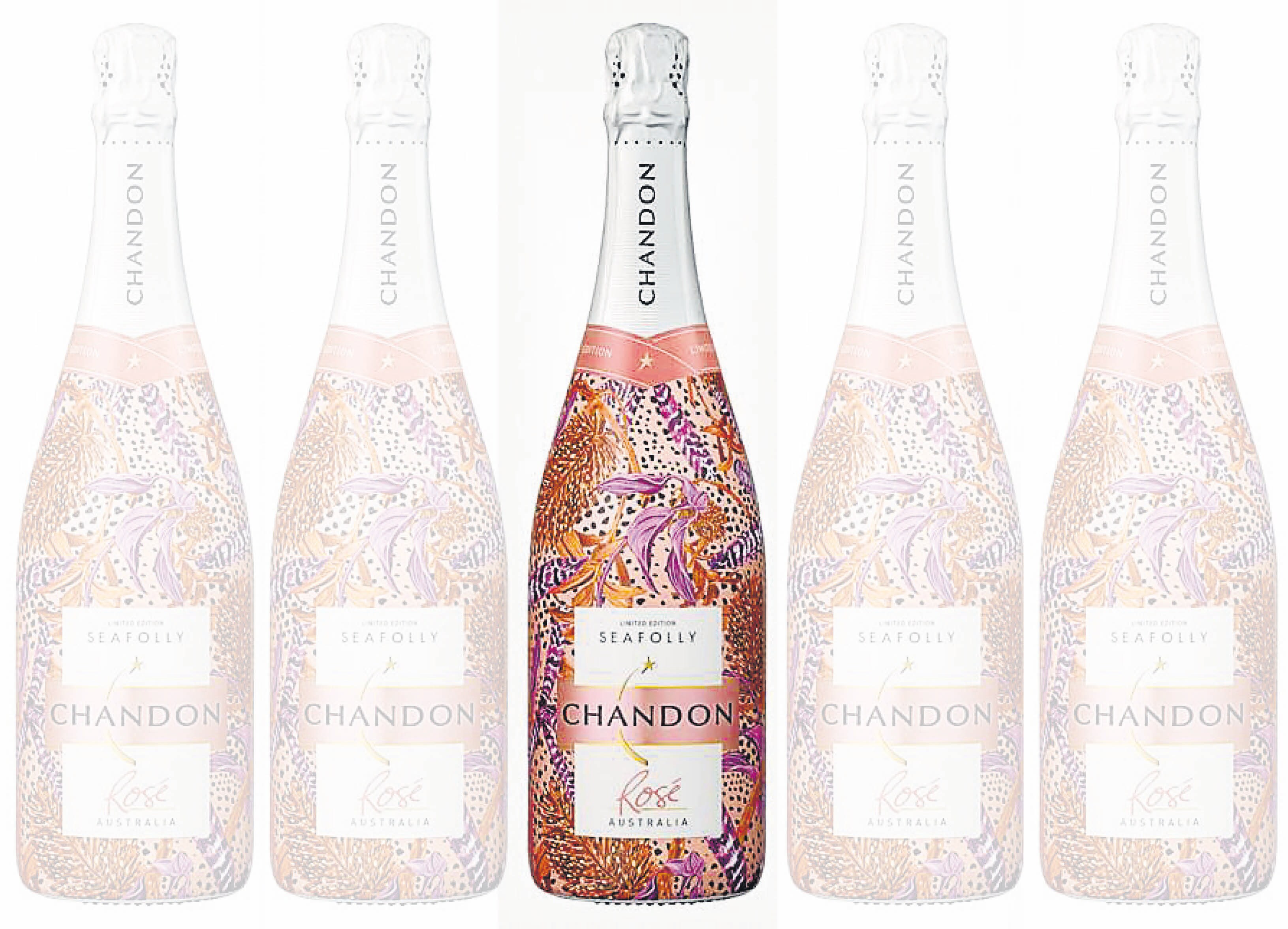
Bring out the bubbly. “India makes very nice sparkling wines that are affordable, drinkable, and approachable,” says Singh. Jaiin’s pick is Grover Zampa from India and Cinzano Prosecco among the imported, affordable choices. Kewadkar highlights Chandon’s selection of white and rosé sparkling wines.
Prepare to upgrade.
With premium wines, the five first growths from the Bordeaux region of France are considered the best. These are the Château Lafite Rothschild, Château Mouton Rothschild, Château Latour, Château Margaux, and the Château Haut-Brion. But for a truly special occasion, Kewadkar calls the Château d’Yquem his “dream wine”. Don’t jump to it directly. Opening up a wine that neither your palate nor your wallet is prepared for is a nightmare.