
 E-Paper



A mind-body approach for PMOS: Lifestyle expert shares why women need holistic lifestyle regulation for treatment

 Prefer HTon Google


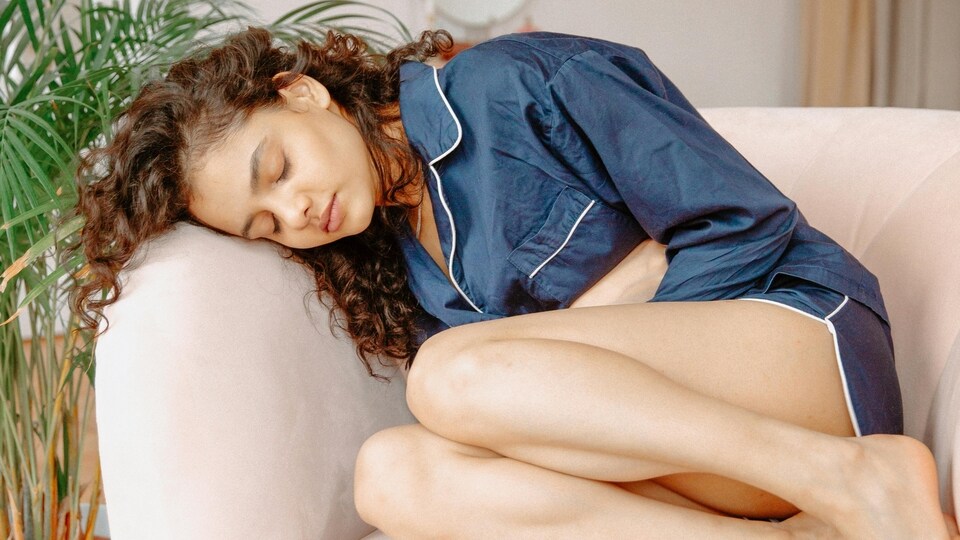
PMOS treatment is not just about hormonal regulation. The lifestyle patterns and habits that throw off hormonal balance need to be addressed simultaneously.
For years, women have been told to look at hormonal concerns through a narrow lens: irregular periods, acne, weight gain, hair fall, or fertility challenges. But the body is never that fragmented. Polyendocrine Metabolic Ovarian Syndrome (PMOS), formerly known as Polycystic Ovary Syndrome (PCOS), is a reminder that women’s hormonal health cannot be reduced to the ovaries alone. It involves metabolism, insulin response, inflammation, stress, sleep, emotions, gut health, lifestyle rhythm, and the environment a woman lives in every day.
HT Lifestyle reached out to Luke Coutinho, an integrative lifestyle expert, who highlights, “In our work over the last 15+ years, we have seen that young women are no longer satisfied with temporary symptom management alone. They want to understand why their body feels out of rhythm. That is a good thing. Women are not becoming difficult patients. They are becoming more aware patients.”
The shift women need
The lifestyle coach recounts the experience of a young woman struggling with delayed cycles, stubborn belly fat, fatigue, stress, and a growing fear that her body was working against her. She had already tried cutting foods, pushing herself harder, and managing each symptom separately. Luke notes, “But when we looked deeper, her lifestyle picture told a fuller story: inadequate sleep, high emotional load, erratic meals, low recovery, blood sugar fluctuations, and years of treating her cycle as an isolated problem.”
He notes that the work did not begin with punishment or restriction. It began with rebuilding the foundation: regular meals, better protein quality and bioavailability, improved sleep rhythm, movement that suited her body, gut support, stress regulation, and a more compassionate relationship with food and her cycle.
The lifestyle expert highlights, “This is the shift women need. The cycle is not separate from sleep. Skin is not separate from the gut. Cravings are not separate from stress. Weight resistance is not separate from insulin, movement, inflammation, and emotional health.”

Lifestyle as foundational medicine
“PMOS does not need shame. It needs understanding,” emphasises Luke. Medicine has its place, and women must receive the right diagnosis and medical care when needed. But alongside medical treatment, we must ask what is weakening the body’s foundations every day.
Explaining his approach to hormonal care, the lifestyle coach stresses the importance of taking a holistic view of health rather than focusing on hormones in isolation. “We do not look only at hormone reports. We study symptoms, cycle rhythm, food patterns, sleep, stress, movement, gut health, emotional well-being, blood sugar patterns, and bio-individual needs. The goal is not to force the body into compliance. The goal is to support the systems that help hormones communicate better,” notes Luke.
He highlights that the heart of lifestyle as foundational medicine is built on six non-negotiable pillars: food science and nutrient synergy, adequate holistic movement, deep sleep, emotional wellness and mental health, nature: internal and external environment, and spirit and breathwork.
Discussing this holistic approach, Luke explains, “Food needs to support blood sugar, gut health, inflammation, and micronutrient status. Movement helps build muscle, improve insulin sensitivity, and reduce stagnation without overtraining. Sleep supports repair, reduces cravings, regulates cortisol, and hormonal rhythm. Emotional wellness matters because the nervous system influences digestion, inflammation, eating patterns, and cycle health. Nature includes sunlight, circadian rhythm, toxin exposure, air, gut terrain, and the spaces we live in. Breathwork and spiritual grounding help shift the body from chronic stress into a state where regulation becomes possible.”
The future is personalised, not punitive
The future of women’s wellness cannot be built on fear, restriction, or one-size-fits-all advice. A woman with PMOS does not need to be told that her body is failing her. She needs to understand what her body is communicating.
Luke highlights that when we move from symptom suppression to root-cause support, women begin to rebuild trust with their bodies. They learn that their cycle, skin, weight, mood, energy, cravings, and sleep are not isolated complaints. They are signals.
He concludes, “PMOS demands a mind-body approach because the female body is intelligent, interconnected, and deeply responsive to how we live. The future is not about silencing the cycle. It is about listening to it, supporting the foundations, and helping women feel strong, safe, and connected to their bodies again.”
Note to readers: This article is for informational purposes only and not a substitute for professional medical advice. Always seek the advice of your doctor with any questions about a medical condition.


Catch your daily dose of Fashion, Taylor Swift, Health, Festivals, Travel, Relationship, Recipe and all the other Latest Lifestyle News on Hindustan Times Website and APPs.


