
 E-Paper



Can heating food in microwave oven increase cancer risk? Raipur oncologist with 25 years of experience explains

 Prefer HTon Google


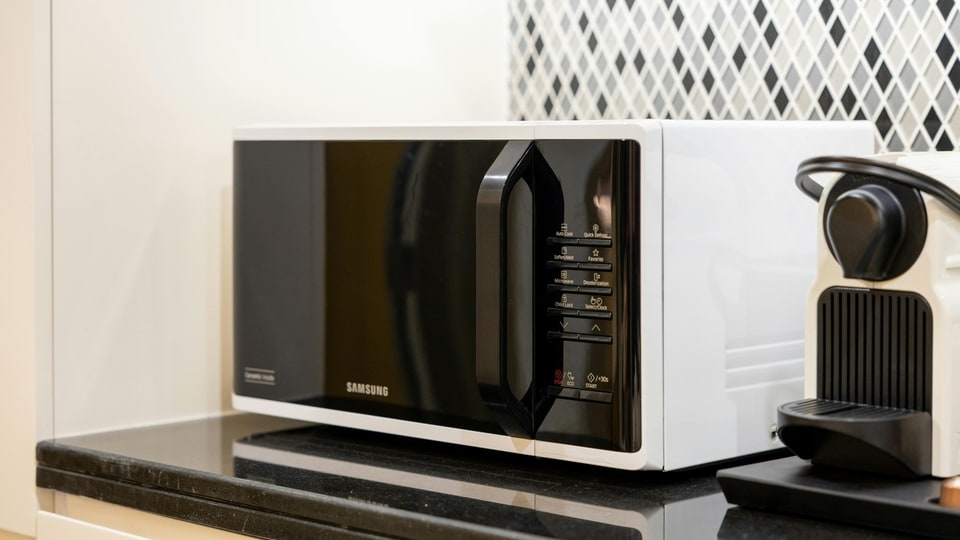
Microwave ovens use non-ionising radiation to heat food. It is harmless in itself, but using plastic containers for the food can increase the risk.
Cancer is still considered to be a death sentence in many households, and because the disease is becoming increasingly common, it is understandable for people to be extra cautious about things of regular use that can increase their risk.
Radiations have long been considered carcinogenic. As a result, there has been a fear of microwave ovens, which, as the name suggests, use microwave radiation to heat or cook food, increasing the risk of cancer.
However, that is not exactly the case, noted Dr Jayesh Sharma, Raipur-based oncologist with over 25 years of experience. Taking to Instagram on February 23, he explained why microwaves are generally safe, and what is the one thing we should be cautious about while using the gadget.
Can microwave oven cause cancer?
According to Dr Sharma, the answer to the question is both yes and no, though in a majority scenario, it is the first option.
“Microwave is a type of electromagnetic radiation,” explained the senior cancer surgeon. “And from a biological perspective, they are of two types: ionising and non-ionising.”
Ionising radiations are those which have sufficient energy to hit an atom and split it into pieces. Thus, when an ionising radiation hits the DNA molecule, it can result in mutations at an atomic level of the DNA and therefore increase the risk of cancer.
Examples of such radiation are ultraviolet rays, X-rays, and radiation released during a nuclear explosion, shared Dr Sharma.
Non-ionising radiation does not have enough energy to break apart an atom. “The best example of non-ionising radiation is visible light,” shared Dr Sharma.
Microwave is also a non-ionising radiation that has even less energy than visible light rays, he noted. As such, there is no chance of microwave radiation breaking any atom. It can only be used to heat up food.
“If heating food leads to cancer, then it would apply to all cooking methods,” noted the oncologist. Since that is not the case, heating food in a microwave oven is safe.
Hidden danger of microwave oven use
Despite microwave ovens being generally safe and non-carcinogenic, there is one thing to keep in mind while using them to heat food. One often gets food delivered in plastic containers from restaurants and uses microwave ovens to heat food in the container itself.
Plastic containers are sometimes even reused, and later put in the microwave to heat other food. According to Dr Sharma, ceramic and glass utensils are safe to be used within a microwave oven since they are stable compounds.
However, there are certain types of plastics which break down if used to heat food. Chemicals from these containers can leech into the food and present a risk of cancer. The risk is small, but it is still a risk, observed Dr Sharma.
Note to readers: This article is for informational purposes only and not a substitute for professional medical advice. Always seek the advice of your doctor with any questions about a medical condition.
This report is based on user-generated content from social media. HT.com has not independently verified the claims and does not endorse them.


Catch your daily dose of Fashion, Taylor Swift, Health, Festivals, Travel, Relationship, Recipe and all the other Latest Lifestyle News on Hindustan Times Website and APPs.


