
 E-Paper





Adrija Dey’s proclivity for observation fuels her storytelling instinct. As a lifestyle journalist, she crafts compelling, relatable narratives across diverse touchpoints of the human experience, including wellness, mental health, relationships, interior design, home decor, food, travel, and fashion that gently nudge readers toward living a little better. For her, stories exist in flesh and bones, carried by human vessels and shaped through everyday endeavours. It is the small stories we live and share that make us human. After all, humans and their lores are the most natural and raw repositories of stories, and uncovering them, for her, is akin to peeling an orange under a winter afternoon sun. Always up for a chat, she believes the best stories come from unfiltered yapping, where "too much information" is kind of the point. A graduate of Indraprastha College for Women, University of Delhi, and an alumna of the Indian Institute of Mass Communication (IIMC), Delhi, Adrija spends her idle hours cocooned with herbal tea and a gripping thriller, scribbling inner monologues she loosely calls poetic pieces, often with her succulents in attendance. On lazier days, she can be found binge-watching, for the nth time, one from her comfort-show holy trinity: The Office (US), Brooklyn Nine-Nine, or Modern Family. Dancing by herself to her peppy playlists, however, is an everyday ritual she swears by religiously.
Fat loss vs weight loss: Nutritionist shares why you can lose inches around your waist and still weigh the same


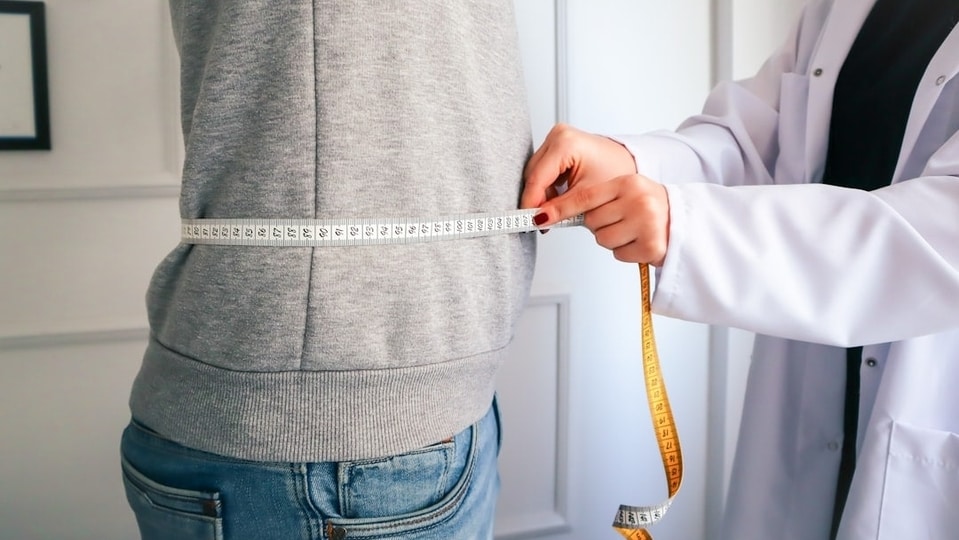
Know the difference between fat loss and weight loss, and why weighing scale does not tell the complete story.
Weight loss is not as one-dimensional as it may seem. It is easy to focus on the number on the weighing scale, but it tells only part of the story. Your jeans may feel looser around the waist, yet you may weigh almost exactly the same as you did a month ago. So, what is the difference between losing fat and losing weight, and why might one happen without the other?
Nikita Garg, celebrity nutritionist and founder of Entech Wellness, told HT Lifestyle that the number on the weighing scale tells only part of the story. She said, "You could be losing inches and gaining muscle, but the number barely budges. Or, you might have lost fat but retained water, masking the change.”
What is the difference between fat loss and weight loss?
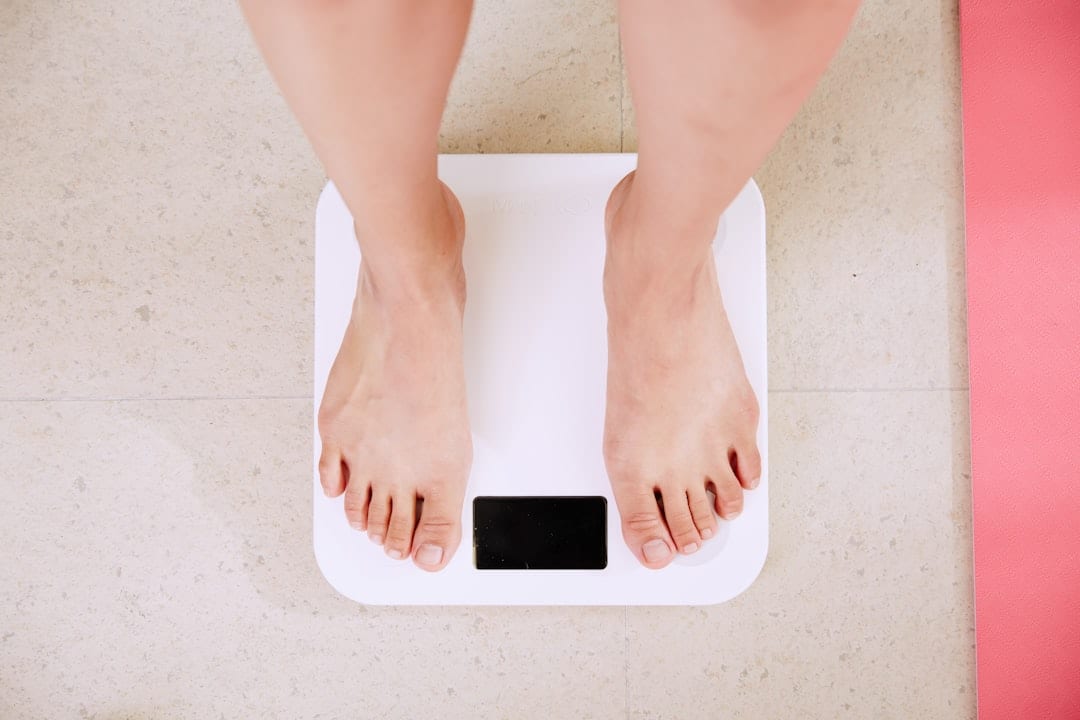
No weighing scale tells the whole story. The expert advised against focusing entirely on the number, as it cannot tell you whether you are insulin resistant or losing fat. It simply measures your overall body weight. So, when you lose weight, it means your total body weight has gone down. Garg described that the number on the scale includes the weight of your bones, muscles, organs, body fluids and fat. When the number drops, some of the change could come from losing fat, muscle or water. The reading alone cannot tell you how much of each of you have lost. But fat loss tells a more nuanced story.
Fat loss, on the other hand, refers to the decrease in the fat your body stores.
The nutritionist elaborated, “Fat loss simply means that fat cells release some of the triglycerides they store. Triglyceride are a type of liquid. Fat cells are found under the skin and around the organs. About 90 per cent of a fat cell is a fat, while fluids and other substances make up remaining 10 per cent. As stored triglycerides are broken down and their components leave the cell, the cell shrinks and takes up less space. This is why you may lose inches as well as weight.”
What else can you measure besides weight?
Besides weighing myself, you can use tape measure to track changes around your waist. A waist measurement alone, though, cannot tell you how much fat you have lost. This is why Garg discussed other ways to assess body composition. She mentioned bioelectrical impedance analysis (BIA) and DXA scans as ways to estimate fat and lean mass. Another option is a skinfold calliper test, which measures fold of skin and the fat beneath them to estimate body fat.
So, it is important to understand that your total body weight includes fat, a well as muscle, bone, organs, and body fluids. When the number on the scale drops, you may have lost fat, muscle, water or a combination of these. The scale alone cannot tell you how much of that loss came from fat.
Note to readers: This article is for informational purposes only and not a substitute for professional medical advice. Always seek the advice of your doctor with any questions about a medical condition.
ABOUT THE AUTHOR

Catch your daily dose of Fashion, Taylor Swift, Health, Festivals, Travel, Relationship, Recipe and all the other Latest Lifestyle News on Hindustan Times Website and APPs.


