
 E-Paper



Forget sabudana khichdi, chips and pakoras! Nutritionist suggests 9 foods to eat and avoid during Navratri fasting

 Prefer HTon Google


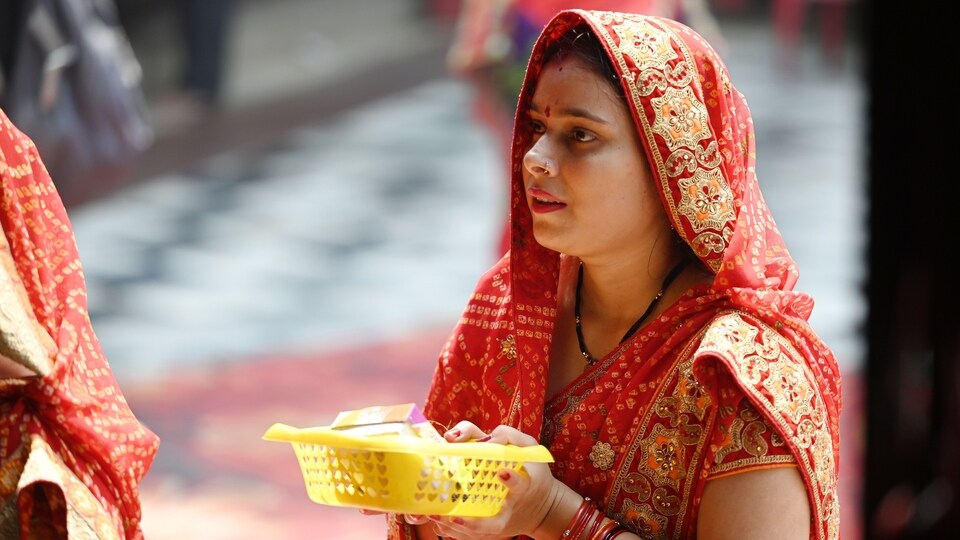
Nutritionist Payal Kothari recommends gluten-free grains, dairy for protein, and fruits for energy, while cautioning against heavy foods and processed snacks.
Every year, devotees of Maa Durga and her nine divine incarnations, Navdurgas, kickstart the 9-day Navaratri celebrations by practising special rituals, including observing fasts. People avoid eating chicken, fish, eggs, meat, garlic, ginger, and more.
While dishes made with sabudana and kuttu (buckwheat) atta are popular choices, there is a world of nutritious items available in your kitchen that you should be including in your meals.
What to eat and what to avoid during Navratri fasting?
In an interview with HT Lifestyle, Payal Kothari, gut health nutritionist and author of The Gut, highlighted the nutritious food items which you must eat during Navratri fasting. She also mentioned the foods one should avoid.
The nutritionist also highlighted how the nine days of fasting during Navratri are an opportunity to reset the body, strengthen digestion, and build inner resilience. Here's the list of foods to eat and avoid as suggested by the gut health expert:

Foods to eat during Navratri
- Millets and pseudo-cereals
Examples: Sama ke chawal (barnyard millet), rajgira (amaranth), kuttu (buckwheat), and singhara (water chestnut flour).
Why: These are gluten-free, light on the gut, and rich in complex carbs and minerals. They help maintain energy without causing bloating or heaviness.
- Dairy and protein-rich foods
Examples: Paneer, curd, milk, and buttermilk.
Why: Excellent sources of protein and probiotics. They keep you satiated, balance gut bacteria, and prevent muscle loss while fasting.
- Nuts and seeds
Examples: Almonds, walnuts, makhana, chia, pumpkin seeds, and sunflower seeds.
Why: Provide healthy fats, protein, and sustained energy. They also help curb sugar cravings.
- Fruits and root vegetables
Examples: Banana, apple, papaya, pomegranate, sweet potato, arbi, lauki, and pumpkin.
Why: Fruits replenish electrolytes and antioxidants, while root vegetables keep energy levels stable during fasting.
- Herbal drinks and hydration
Examples: Coconut water, lemon water, herbal teas, and chaas (buttermilk).
Why: Maintain hydration, aid detoxification, and provide minerals lost through sweating or reduced meals.
Foods to avoid during Navratri
- Regular grains and pulses
Examples: Rice, wheat, corn, dal, rajma, and chana.
Why: They are considered “heavier” foods, which slow down digestion and contradict the principle of fasting.
- Processed and fried snacks
Examples: Chips, namkeen, and fried pakoras made in refined oil.
Why: They spike blood sugar, cause lethargy, and negate the detoxing effect of fasting.
- Excess refined sugar and sweets
Why: They cause energy crashes, weight gain, and digestive disturbances. Natural sweeteners like jaggery, honey, or dates are better alternatives.
- Caffeine and aerated drinks
Why: These dehydrate the body, interfere with digestion, and can trigger acidity during long fasting hours.
According to the nutritionist, fasting in Navratri is not just about what we eat; it’s about discipline and cleansing. “By consuming foods that are pure, light, and energy-giving, we also align our body with the festival’s spiritual essence,” she added. Moreover, when we avoid foods which are ‘heavy, dulling, and processed’, we ‘create more clarity and vitality, nourishing both body and mind.’
“This Navratri, think of fasting as a gentle detox: a chance to connect with tradition while giving your gut, liver, and mind a reset,” she added.
Note to readers: This article is for informational purposes only and not a substitute for professional medical advice. Always seek the advice of your doctor with any questions about a medical condition.


Catch your daily dose of Fashion, Taylor Swift, Health, Festivals, Travel, Relationship, Recipe and all the other Latest Lifestyle News on Hindustan Times Website and APPs.


