
 E-Paper



Gastroenterologist explains the 3 main ‘biotics’ for your gut health and how you can add them to diet

 Prefer HTon Google


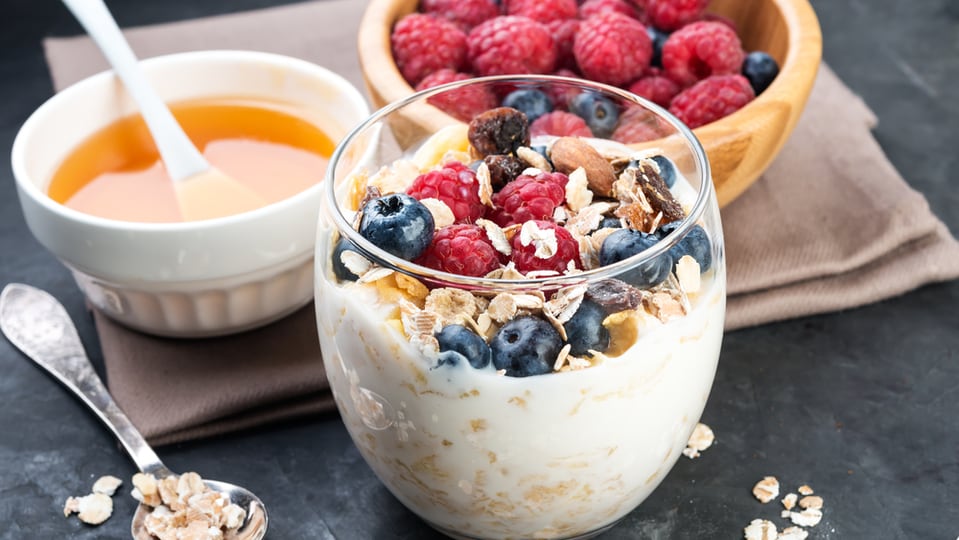
Know about the 3 biotics. Expert explains their basics and how to include them in your diet, naturally or via supplements.
Gut wellness is one of the key foundations for good health, shaping vital functions, from immunity and skin to mental wellbeing. This is why what’s on your plate has become the need of the hour. The complex ecosystem of bacteria in your gut helps with nutrient absorption and overall digestive efficiency. Probiotics, prebiotics, and postbiotics are hot topics when it comes to digestive wellness. Many even opt for their supplements, but before that, let’s understand each of their roles in maintaining gut balance.
In an interview with HT Lifestyle, Anukalp Prakash, Director of Gastroenterology at CK Birla, Gurugram, shared how probiotics, prebiotics, and postbiotics all aid in maintaining good gut health, and whether one needs to use supplements for all three.
He said, “Over the past few years, the word ‘biotics’ has been the buzzword of digestive wellness. Patients frequently inquire what probiotics, prebiotics, and postbiotics are, and whether they should have all three in their diet. Allow me to break it down so you can know the differences, their health benefits, and when exactly they might actually be necessary.”
Now, how do you know which is most important? Probiotics often steal the spotlight, but there are other team players that equally support gut health. And do you really need all the supplements?
Dr Anukalp Prakash further clarified, "Though each of probiotics, prebiotics, and postbiotics has a specific role to play in maintaining gut health, it's worth noting that not everybody requires all three in supplement form. The supplement market is still largely unregulated, so select quality products that have clinical backing, and consult a healthcare professional if you do not feel well. In the end, consider these ‘biotics’ an A-team: prebiotics feed, probiotics colonise, and postbiotics work. A solid, fibre-based diet, coupled with individualised medical advice, is still the best method to ensure a healthy, resilient gut."
The gastroenterologist shared a detailed guide with us, breaking down the essentials of all three biotics- probiotics, prebiotics, and postbiotics:
The 3 ‘biotics’

1. Probiotics: The ‘good’ bacteria
- These are live bacteria, essentially good bacteria, that can enhance gut health when ingested in sufficient quantity.
- They act by reestablishing balance to the gut microbiome, particularly after interruptions such as antibiotic use.
Examples of sources:
1. Yoghurt containing living cultures
2. Kefir
3. Kimchi, sauerkraut, kombucha
4. Probiotic supplements (species-specific)
Benefits:
1. Alleviating antibiotic-associated diarrhoea.
2. Relieving symptoms of irritable bowel syndrome (IBS).
3. Maintaining immune function and gut lining.
2. Prebiotics: Food for gut bacteria
- These are indigestible fibres that serve as fuel for your friendly bacteria already present in your gut.
- Prebiotics occur naturally in many plant foods.
Examples of sources:
1. Garlic, onions, leeks
2. Asparagus, artichokes
3. Bananas, oats, barley
4. Chicory root, flaxseed
Benefits:
1. They support probiotic bacteria in growing and multiplying
2. Boost calcium absorption
3. Improve digestion and bowel regularity
3. Postbiotics: The by-products that get the job done
- Postbiotics are bioactive substances that result from probiotics fermenting prebiotics in the gut.
- They consist of short-chain fatty acids (such as butyrate), enzymes, peptides, and cell wall remnants.
- Not ‘alive,’ yet they provide potent anti-inflammatory and immune-modulating benefits.
Functions:
1. Strengthen the intestinal barrier
2. Suppress chronic inflammation
3. Enhance gut integrity in diseases such as IBD
4. Emerging role in metabolic well-being and insulin sensitivity
Main differences at a glance
| Feature | Probiotics | Prebiotics | Postbiotics |
| Type | Live microbes | Non-digestible fibers | Metabolites from bacteria |
| Function | Replenish gut flora | Feed beneficial bacteria | Deliver health benefits |
| Requires Survival | Yes (must survive GI tract) | No | No |
| Examples | Found in yogurt (like Lactobacillus) | Found in bananas, onions (like inulin) | Things like butyrate or enzymes |
How to add the biotics safely to your diet?
- Probiotics: Add fermented foods slowly or take clinically studied supplements (seek out specific strains).
- Prebiotics: Supplement with fibre in the form of fruits, vegetables, and whole grains.
- Postbiotics: Naturally produced in a healthy gut, so for this to happen, you need to combine a fibre-rich diet with adequate hydration.
When do you need them as supplements?

Not all of us require supplements; most of these can be found in a varied, fiber-rich, plant-based diet.
You might find benefit with biotics if you:
1. Have IBS, IBD, or bloating frequently
2. Recently taken antibiotics
3. Have trouble with constipation or irregularity
4. Want to enhance overall gut immunity
Warning: Individuals with SIBO (Small Intestinal Bacterial Overgrowth) or some immune disorders may require caution, particularly with prebiotics and probiotics. Always check with your doctor first.
Note to readers: This article is for informational purposes only and not a substitute for professional medical advice. Always seek the advice of your doctor with any questions about a medical condition.


Catch your daily dose of Fashion, Taylor Swift, Health, Festivals, Travel, Relationship, Recipe and all the other Latest Lifestyle News on Hindustan Times Website and APPs.


