
 E-Paper



Gurugram neurologist explains all about vitamins: How to take them, functions, deficiency symptoms

 Prefer HTon Google


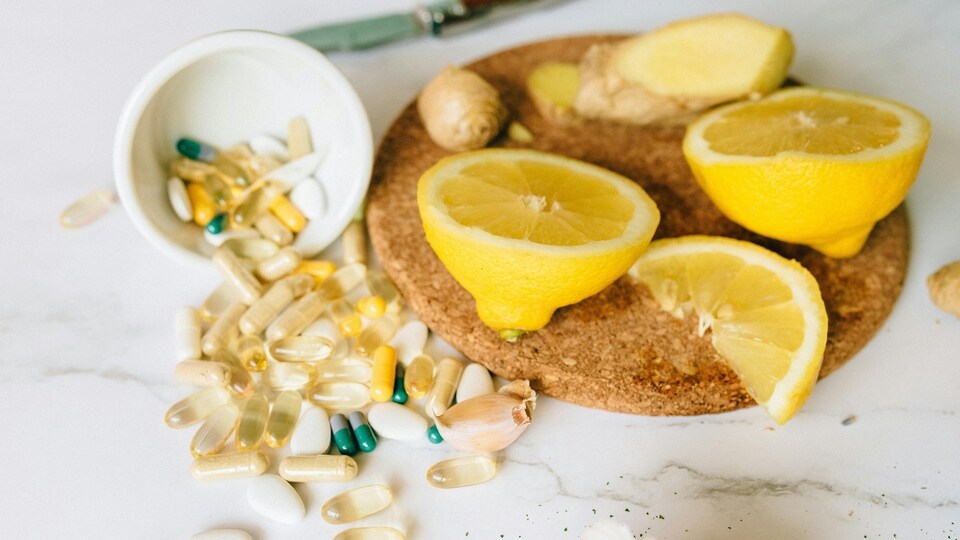
Dr Sehrawat explains why vitamins are important for our health, and how and when we should take them to prevent deficiency symptoms.
Eating healthy involves taking both macro and micronutrients that are required by the body. And one of the most important elements of the latter group is vitamins. They are required in small amounts to help the body grow, heal, and function well.
There are various types of vitamins that the body needs, and often one or more of them are found to be lacking in the daily diet. This has led to the popularity of vitamin supplements. However, not many of us are aware of how exactly vitamins work and how best to consume the supplements. Taking to Instagram on May 17, Dr Priyanka Sehrawat, neurologist and general physician based in Gurugram, Haryana, answered these questions.
Types of vitamins
Vitamins can be broadly classified into two types, water-soluble and fat-soluble, shared Dr Sehrawat.
Water-soluble vitamins include vitamins B1, B2, B3, B6, B9, B12 and C. They are best absorbed on an empty stomach, and can be taken 30 minutes to one hour after breakfast. They do not need fat to get absorbed. However, tea, coffee, antacids, metformin, and gut issues can decrease the absorption.
Fat-soluble vitamins include vitamins A, D, E and K. They require food containing fat (or milk) for better absorption, and can be consumed with or just after meals. According to Dr Sehrawat, vitamin D powders are best absorbed when dissolved in milk.
Best ways to take vitamins and minerals
Dr Sehrawat shared the following pointers for the consumption of vitamins to get better results.
- Have a balanced diet
- Take vitamin D with food
- Take iron with vitamin C (lemonade)
- Avoid tea/coffee/smoking while having vitamins, as they reduce absorption
- Avoid alcohol consumption
- Take food items rich in probiotics/prebiotics (curd, banana, lassi, fermented foods)
- Do not take iron with calcium
- Exercise regularly, which improves gut health and facilitates better absorption
Functions of vitamins and minerals
All required vitamins have specific functions within the body. Dr Sehrawat listed them as follows.
- Vitamins B1. B9, B12, B6: Important for nerve function
- Vitamin E: Keeps skin, hair and nails healthy, important for nerve function
- Vitamin A: Good for the eyes
- Vitamin C: Important for gums and the walls of blood vessels
- Iron: Helps transport oxygen to the cells
- Magnesium: Important for nerves and muscles
- Zinc: Important for gut health
- Vitamin D, calcium: Important for healthy bones and joints
- Vitamin K: Supports blood clotting
Symptoms of vitamin deficiencies
The following symptoms should encourage individuals to reach out to their healthcare professionals and ask for vitamin supplements.
- Neuropathy - Vitamin B1
- Angular cheilosis, oral ulcers - Vitamin B12
- Pellagra (diarrhoea, rash, dementia) - Vitamin B3
- Memory loss in young people, imbalance, tingling of hands and feet - Vitamin B12
- Bleeding gums - Vitamin C
- Fatigue, weakness, leg swelling - Iron
- Chronic diarrhoea - Zinc
- Numbness, tingling in palms and soles - Vitamin B6
Foods rich in vitamins
While a desi meal typically consists of dal, roti, sabzi, and rice, it often lacks foods that provide vitamins and minerals, stated Dr Sehrawat. Such foods include:
- Nuts and seeds, such as walnuts, almonds, pumpkin seeds, pistachios, and raisins
- Fruits, such as kiwi, guava, jamun, coconut, avocado, and banana
- Whole grains and millets, like ragi and bajra
- Dates, whole eggs
Note to readers: This article is for informational purposes only and not a substitute for professional medical advice. Always seek the advice of your doctor with any questions about a medical condition.
This report is based on user-generated content from social media. HT.com has not independently verified the claims and does not endorse them.


Catch your daily dose of Fashion, Taylor Swift, Health, Festivals, Travel, Relationship, Recipe and all the other Latest Lifestyle News on Hindustan Times Website and APPs.


