
 E-Paper



Health coach explains why weight loss can become harder for women after 40 and what to do about it

 Prefer HTon Google


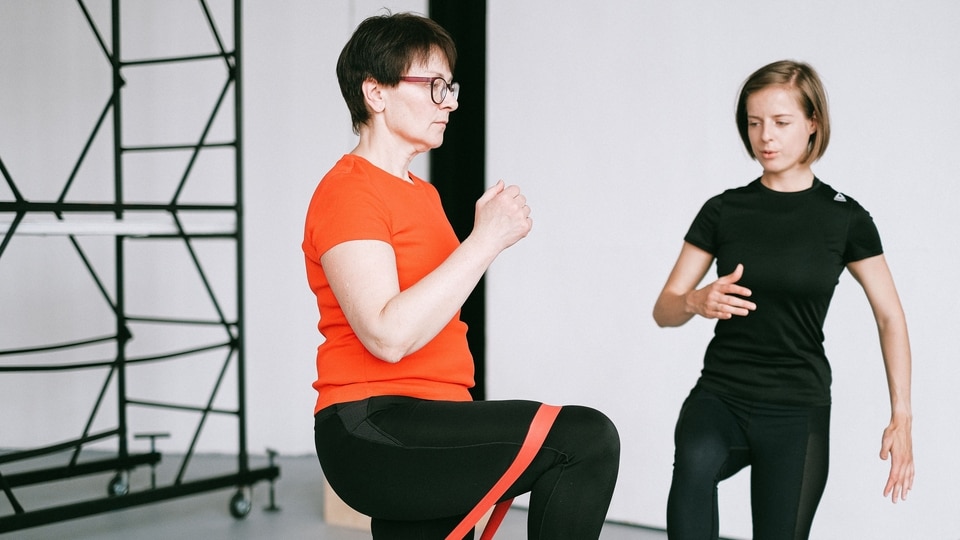
From muscle loss to lifestyle changes, a health coach explains why weight loss gets harder for women after 40.
40s may be the new 30, but your body is no longer playing by the same rules. The diet that effortlessly helped you shed a few kilos in your thirties may suddenly seem ineffective. The workouts that once kept your weight in check may no longer deliver the same results. And despite eating the same as always, the number on the weighing scale may gradually begin to creep upward. In an interview with HT Lifestyle, Manisha Chopra, Health and fitness coach, explains why losing weight becomes difficult post 40.
Also read | Hyderabad neurologist warns against quick weight loss, says stop treating obesity like a 'medical emergency'
Why does weight loss become difficult after 40?
According to Manisha, this isn't necessarily a failure of discipline. Midlife brings genuine physiological changes that can alter how your body stores fat, uses energy, and responds to exercise.

For women in particular, the transition into pre-menopause and menopause can add another layer of complexity. Understanding these changes is the first step towards adapting your approach—and making weight management sustainable rather than frustrating.
What happens after 40?
“One of the most significant changes with age is the gradual decline in muscle mass. This process can begin as early as the 30s and tends to accelerate as we grow older,” said Manisha. Because muscle is metabolically active tissue, losing it can lower the amount of energy the body expends at rest. At the same time, everyday physical activity often decreases as work, family commitments and other responsibilities take centre stage.
Together, declining muscle mass and reduced physical activity can gradually alter the body’s energy balance, making weight gain more likely—even when your diet and exercise habits remain largely unchanged from your younger years. The result is subtle but significant.
The calorie intake and activity level that effortlessly maintained your weight at 30 may no longer yield the same results at 45. This does not mean that your metabolism suddenly “slows down” or stops working after 40. Rather, a gradual interplay of changes in muscle mass, physical activity, energy expenditure and body composition can subtly reshape the way your body uses and stores energy.
Hormonal changes
For women, hormonal shifts during pre-menopause and menopause add another layer. As oestrogen levels fluctuate and decline, fat distribution often changes, with a greater tendency to accumulate visceral fat around the abdomen. Thus, even without a significant change on the scale, body composition can shift—and the weight may increasingly settle around the midsection rather than being distributed as it once was.
Midlife crisis
But hormones are only one piece of the puzzle. Midlife often brings a convergence of lifestyle changes—sleep may become more fragmented, stress more persistent, and daily movement less frequent. Poor sleep can disrupt appetite regulation, influence food choices, and hinder recovery, while chronic stress may contribute to unhealthy eating patterns and increased fat storage.
What should you do?
Manisha advises to aim for seven to eight hours of quality sleep whenever possible, as adequate rest supports cognitive function, metabolic health and appetite control.

Together, these factors can make weight management more challenging. This is why simply eating less and exercising more may not always be the answer. After 40, the focus should shift from chasing a lower number on the scale to preserving muscle, supporting metabolic health and building a stronger, more resilient body.
Strength training becomes particularly valuable. Resistance exercises—whether through weights, resistance bands or bodyweight movements—help preserve and build muscle as you age. They also support bone health, which becomes increasingly important for women as declining oestrogen levels can accelerate bone loss.
Note to readers: This article is for informational purposes only and not a substitute for professional medical advice. Always seek the advice of your doctor with any questions about a medical condition.


Catch your daily dose of Fashion, Taylor Swift, Health, Festivals, Travel, Relationship, Recipe and all the other Latest Lifestyle News on Hindustan Times Website and APPs.


