
 E-Paper



How to know if your fever is due to Covid-19 or dengue. Doctors give tips

 Prefer HTon Google



Symptoms of malaria, dengue, and Covid-19 may overlap with each other which makes diagnosis and treatment difficult.
With the onset of monsoon, like every year, spread of vector-borne diseases like malaria and dengue is on rise. While this happens every year, coronavirus pandemic has posed a unique challenge of diagnosis as one may see some cases of dengue-Covid-19 co-infection.
According to a study published in National Center for Biotechnology Information, "similar symptoms and laboratory findings between dengue and coronavirus disease 2019 (Covid-19) pose a diagnostic challenge in some dengue-endemic countries in Asia." In this study, which was conducted on three cases of suspected Covid-19-dengue coinfection in hospitals of Bali, Indonesia, coinfection of dengue and Covid-19 was found in one patient.
Symptoms of malaria, dengue, and Covid-19 may overlap with each other which makes diagnosis and treatment difficult. Also, steps must be taken to prevent simultaneous infection of Covid-19 and vector-borne diseases.
Preventing co-infection and getting the diagnosis right
"Every year during Monsoon we see a spike in cases of malaria, leptospirosis, jaundice in city. These diseases have similar symptoms like fever, diarrhea, vomiting, headache and joint pain. However, additional symptoms like cough, loss of smell or taste, or sore throat may aid in the diagnosis for Covid-19. Preventing co-infection will allow in segregating and treating Covid patients accurately while reducing chances of wrong treatment that can lead to higher morbidity or mortality rates," says Dr. Sharat Kolke Senior Physician, Kohinoor Hospital.
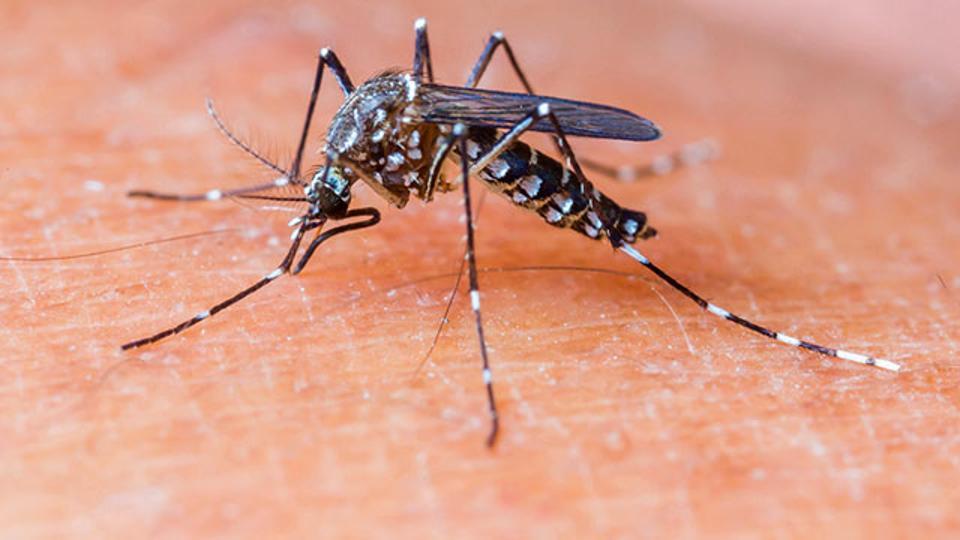
With seasonal illnesses on rise, the symptoms of each of the monsoon diseases must be carefully observed. In dengue, for example, the common symptoms are sudden high fever, nausea, vomiting, severe body ache, low platelet count, rashes etc. In case of chikangunya, there may be acute joint pain, pain in back of eyes, chills. In leptospirosis, kidney related issues, jaundice, redness of eyes can be seen.
"Currently we are seeing increasing cases of dengue and malaria. We also had one patient who was diagnosed with leptospirosis. People should consult the doctor if their fever does not subside within 2-3 days. If it is associated with chills, myelgia, rash, headache, they should be more cautious. These symptoms could be because of malaria, dengue. Children and the elderly should be given immediate attention. Also in monsoon, fever with vomiting and loose stools, and yellow discolouration of eyes can point towards jaundice, acute gastroenteritis. Take medication as prescribed by the doctor and not opt for any home remedies," warns Dr Vikrant Shah, consulting physician, intensivist and infection disease specialist, Zen Multispeciality Hospital Chembur.
Tips to stay safe from infections this monsoon

Dr Anita Mathew, Infectious Disease Specialist, Fortis Hospital, Mulund, gives some tips to stay safe from infections:
- Keep your home and surroundings mosquito-free
- Use mosquito repellents and wear full-sleeved clothes before stepping out
- Avoid going to crowded places to reduce risk of viral infections
- Drink boiled water
- Consume fresh homemade food
- Make sure your home is well-ventilated
- Wash hands before eating any food
- Avoid touching your nose and mouth without washing your hands
How to avoid gastrointestinal infections
"To prevent gastrointestinal infections, follow good hand-hygiene practice, drink only boiled water; avoid eating stale or raw or contaminated food or drinking juices from outside. Reheat the food kept in the refrigerator and don't eat food kept in open. Don't eat undercooked food to prevent disorders like gastroenteritis and jaundice. Do not wade through flood water, get vaccinated, don't touch objects that may be contaminated with animal urine, and proper disposal of garbage should be done to keep rodents away that cause leptospirosis," says Dr. Shah.


