
 E-Paper



Hyderabad neurologist shares the only supplements you actually need for strength training: Protein to vitamin D

 Prefer HTon Google


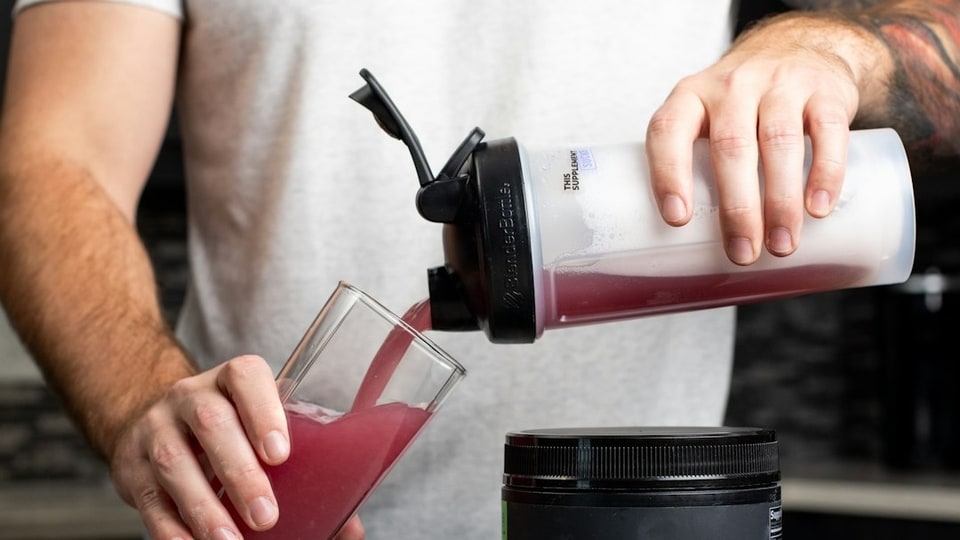
Neurologist Dr Sudhir Kumar identifies key supplements for strength training, including protein and creatine, while advising against unsafe options.
If you work out regularly, you probably also take supplements to support your strength training journey and maximise the gains you make at the gym. However, in the wellness noise created by so-called ‘health experts’ on social media, sometimes, people end up consuming things that do them more harm than good.
To clarify which supplements you should be taking and avoiding, Dr Sudhir Kumar, a neurologist at Apollo Hospitals in Hyderabad, who goes by Hyderabad Doctor on social media, listed the supplements you actually need for strength training. Let's learn everything about them.
Which supplements should you take for strength training
Dr Sudhir shared a post on X on March 20 with the caption, “Supplements for strength training: What you actually need.” He divided the list of supplements into four categories: core, situational, not necessary for most/overhyped, and lastly, unsafe/potentially harmful. Here are the supplements listed in each category by the neurologist:
⦿ Core supplements
According to the neurologist, the supplements he listed in this category are evidence-backed and useful for most people, as they are most needed to aid muscle building.
1. Protein
The neurologist noted that if dietary intake is inadequate, one should take protein supplements. Options include whey or plant protein. “You should target 1.2 to 1.6 g of total protein per kg of your body weight every day,” Dr Sudhir suggested.
2. Creatine monohydrate
“It is one of the most studied supplements, which improves strength, power, and muscle mass. The recommended dose is 3 to 5 g per day,” the neurologist stated.
3. Vitamin D
According to him, vitamin D supplements are especially useful for those with low levels, which is very common in India.
4. Omega-3 fatty acids
Lastly, he recommended taking omega-3s, as they are useful for those with low dietary intake of fish and nuts.
⦿ Situational
According to Dr Sudhir, one should take the following supplements only when a deficiency is confirmed or in situational circumstances. They are:
1. Iron
2. Vitamin B12
3. Electrolytes: Useful in heavy sweating or during long workouts
4. Caffeine (pre-workout): May improve performance and endurance. Use cautiously, as it may cause sleep and anxiety issues in some.
⦿ Not necessary for most/overhyped
1. BCAAs: Take only if protein intake is adequate
2. Glutamine: Limited benefit for muscle gain
3. Testosterone boosters: Mostly ineffective and may be harmful
4. Fat burners: They have minimal benefit and are marketing-driven
⦿ Unsafe/potentially harmful
1. Anabolic steroids: According to the neurologist, these are associated with serious risks such as heart disease, liver damage, and infertility.
2. Unregulated pre-workouts: These may contain hidden stimulants, which can cause arrhythmias and anxiety. Dr Sudhir highlighted.
3. High-dose fat burners/thermogenics: They are associated with the risk of hypertension and stroke.
4. Excess protein: Taking more than 2 to 2.5 g/kg/day for long-term may be harmful. “There is no added benefit and may stress the kidneys in predisposed individuals,” Dr Sudhir warned.
5. Unknown herbal/muscle-building mixes: There is a risk of contamination, including heavy metals or steroids.
Lastly, the neurologist cautioned, “If your basics are right: diet, sleep, and progressive training, then just 2–3 supplements, such as protein, creatine, and vitamin D, are enough.”
Note to readers: This article is for informational purposes only and not a substitute for professional medical advice. Always seek the advice of your doctor with any questions about a medical condition.
This report is based on user-generated content from social media. HT.com has not independently verified the claims and does not endorse them.


Catch your daily dose of Fashion, Taylor Swift, Health, Festivals, Travel, Relationship, Recipe and all the other Latest Lifestyle News on Hindustan Times Website and APPs.


