
 E-Paper



Is it PCOS, thyroid or ‘hormonal imbalance’? Gynaecologist with 45 years of experience on why diagnosis arrives late for women

 Prefer HTon Google


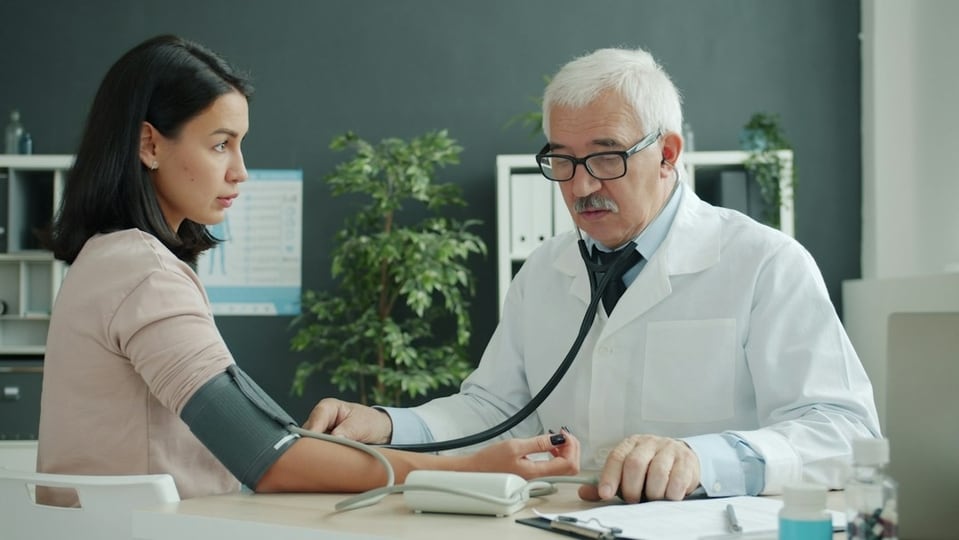
Dr Manju Sinha says conditions including PCOS and thyroid disease require specific tests and tailored treatment—not a vague hormonal imbalance label.
Estimates of PCOS among Indian adolescent girls range from about 3% to nearly 18%, according to the National Institutes of Health (NIH). A systematic review and meta-analysis from AIIMS Rishikesh pooled data from 4,473 participants and found a prevalence of 17.74 per 100, roughly one in five. Preliminary school screening by AIIMS Delhi of more than 4,000 children points to a 3% to 5% prevalence, and the doctors involved note that diagnostic criteria for this age group have become stricter.
In an interview with HT Lifestyle, Dr Manju Sinha, senior consultant, obstetrics and gynaecology with over 45 years of experience, stated that the gap between these numbers shows how much a precise definition matters and also explains why many Indian women hear the phrase ‘hormonal imbalance’ long before they ever hear a diagnosis.
‘Symptoms are common, and diagnosis arrives late’
But why did the phrase ‘hormonal imbalance’ spread across India? According to Dr Manju, it is because, in most cases, symptoms are common and diagnosis is delayed.
She cited data given by WHO, which estimates that up to 70% of women with PCOS are undiagnosed, a figure quoted in the AIIMS Delhi coverage. Moreover, she pointed out that thyroid disease follows the same pattern. “An epidemiological study in eight Indian cities covering Bangalore, Chennai, Delhi, Goa, Mumbai, Hyderabad, Ahmedabad, and Kolkata found hypothyroidism in 10.95% of adults. Of those cases, 3.47% were previously undetected. The authors linked female gender and older age to higher risk,” she stated,
Moreover, stigma adds to the demand for quick answers and delayed diagnosis. She explained, “Periods, fertility, and hormones stay private topics in many households, so women search on their phones. A 2021 PGIMER Chandigarh study, as summarised by CyberPeace, found that about 37% of affected women rely on the internet as their primary source of PCOS information. A phrase that explains tiredness, acne, hair fall, and weight gain in two words spreads easily in that setting.”
How the term ‘hormonal imbalance’ misleads
According to Dr Manju, the body produces dozens of hormones, each of which follows its own rules. “Insulin, thyroid hormone, cortisol, estrogen, progesterone, testosterone, and prolactin respond to different signals and appear in different tests,” she added, stressing that ‘imbalance’ suggests a scale that tips left or right, whereas real conditions involve specific hormones and specific causes.
Dr Manju further highlighted that normal physiology adds to the confusion. She explained, “Estrogen and progesterone rise and fall across every menstrual cycle by design, so pre-period tiredness, breast tenderness, and mood shifts sit inside that rhythm. Fatigue, hair fall, and weight gain also come from iron deficiency, thyroid disease, depression, poor sleep, and chronic stress. A symptom list can describe a dozen conditions. A diagnosis names one.”
The numbers given above prove this point, Dr Manju underlined, stating that the same condition produced a prevalence of 17.74% in one analysis and 3% to 5% in another, because definitions and age groups differed. “A vague label offers no definition at all,” she added.
What social media does
According to Dr Manju, researchers from Dayanand Medical College, Ludhiana, analysed 85,872 YouTube comments across 940 PCOS videos posted over 12 years. She stated that the study found misinformation themes included claims of cures through natural and herbal remedies, as well as fake testimonials from spammers. “A Logically Facts analysis found Instagram hashtags such as #curepcosnaturally filled with misleading content, including promises about conception,” she added.
What does a hormonal diagnosis involve
Dr Manju stressed that hormonal diagnoses involve real conditions with specific names, criteria, and tests. “PCOS is diagnosed when two of three features are present, which are irregular ovulation, signs or lab evidence of excess androgens, and polycystic ovaries on ultrasound. Thyroid disease is identified through TSH and free T4 blood levels. Perimenopause, premature ovarian insufficiency, raised prolactin, and adrenal disorders each have their own work-up,” she explained.
According to her, treatment follows the diagnosis. So, thyroid hormone replacement corrects hypothyroidism, and PCOS care targets cycle regularity, insulin resistance, and androgen symptoms. “A named condition leads to a targeted plan, while a vague label leads to a shelf of supplements,” she noted.
A practical approach
According to her, a practical and informed approach should look like this:
⦿ Record cycle dates, sleep, mood, skin and hair changes, and weight for three months.
⦿ Book a visit with a gynaecologist or endocrinologist and bring the record.
⦿ Ask which conditions fit the symptoms and which tests confirm them, such as TSH, free T4, fasting glucose, iron studies, and hormone levels when indicated.
⦿ Verify the doctor’s registration on the National Medical Commission register and choose advice that comes with a diagnosis and evidence.
⦿ Reassess after treatment begins to confirm that symptoms improve.
In the end, she highlighted that ‘hormonal imbalance’ describes a feeling; however, a named condition describes a cause, and a cause leads to treatment.
Note to readers: This article is for informational purposes only and not a substitute for professional medical advice. Always seek the advice of your doctor with any questions about a medical condition.


Catch your daily dose of Fashion, Taylor Swift, Health, Festivals, Travel, Relationship, Recipe and all the other Latest Lifestyle News on Hindustan Times Website and APPs.


