
 E-Paper





Krishna Priya Pallavi is a journalist with over 9 years of experience, covering health, fashion, pop culture, travel, wellness, entertainment, festivals, mental health, art, decor, fitness, and sex and relationships. She is an alumna of the Indian Institute of Mass Communication (IIMC), Dhenkanal, and holds an undergraduate degree in Journalism and Mass Communication from Guru Gobind Singh Indraprastha University, Delhi. Her strong academic foundation informs her analytical and detail-oriented approach to storytelling, helping her uncover stories where none seem to exist. Before joining Hindustan Times, Pallavi worked with some of India’s leading media organisations. She spent close to three years at India Today, where she honed her newsroom skills and developed a sharp editorial sensibility. She also worked for over a year and a half at Vagabomb, ScoopWhoop’s feminist digital platform, where she explored stories through a gender-sensitive, socially aware lens. Pallavi has a deep interest in global fashion trends and international fashion seasons, and enjoys interviewing celebrities and tracking pop culture movements—interests that frequently translate into engaging, reader-friendly stories. Alongside lifestyle and entertainment, she has a keen eye for impactful health and wellness journalism, regularly interacting with doctors, designers, and digital content creators to bring nuance and credibility to her work. Born and raised in Haryana, Pallavi remains deeply connected to her ancestral roots in Odisha. Her ability to spot fresh angles brings curiosity and depth to stories she pursues. When not chasing deadlines, she enjoys spending time with her dog, planning her next vacation, reading, running new trails, and discovering new destinations.
Lung cancer in people who have never smoked: Oncologist explains risk factors beyond tobacco and which signs to never ignore



Smoking is not the only lung cancer risk, according to oncologist Dr Jyoti. Pollution, second-hand smoke, and other factors may also play a role.
Lung cancer is most often linked to smoking. But not all people with lung cancer have smoked. People with no history of smoking can also develop it, according to Dr (Prof) Jyoti Wadhwa, principal lead, medical and precision oncology at Apollo Athenaa Women’s Cancer Centres, Delhi.
With lung cancer accounting for 1,12,659 new cases (3rd most common cancer) and 98,687 deaths (leading cause of cancer mortality) in India, according to Global Cancer Observatory estimates, we asked Dr Jyoti to explain the lung cancer risk factors beyond tobacco, how genes and biology can also play a role, which signs to never ignore, and more.
If not smoking, what increases the risk?
According to Dr Jyoti, there are other factors that can affect lung health besides tobacco. She explained that other factors that can increase the risk of lung cancer are air pollution, second-hand smoke, some work environments, radon (naturally occurring, colourless, odourless radioactive gas) exposure, and biological or genetic factors.

“Substances that affect the lungs can be inhaled by individuals who are not active smokers: one such substance is second-hand smoke at home or at work. Lung cancer risk could also increase in the long term due to regular exposure to polluted outdoor air, especially very fine particles. Indoor air quality is important, particularly when individuals are repeatedly exposed to smoke or fumes in confined areas,” Dr Jyoti stated.
Some occupational exposures can also be factors that raise the risk, she added: “Individuals with long-term exposure to substances like asbestos, silica or diesel exhaust particles may be exposed to more cancer-causing chemicals.” Meanwhile, a few other important risk factors, in addition to smoking, include:
- Second-hand tobacco smoke, even if a person has never smoked herself.
- Long-term outdoor and indoor air pollution, including exposure to very small particulate matter.
- Environmental and workplace exposures, including radon, asbestos, silica and diesel exhaust.
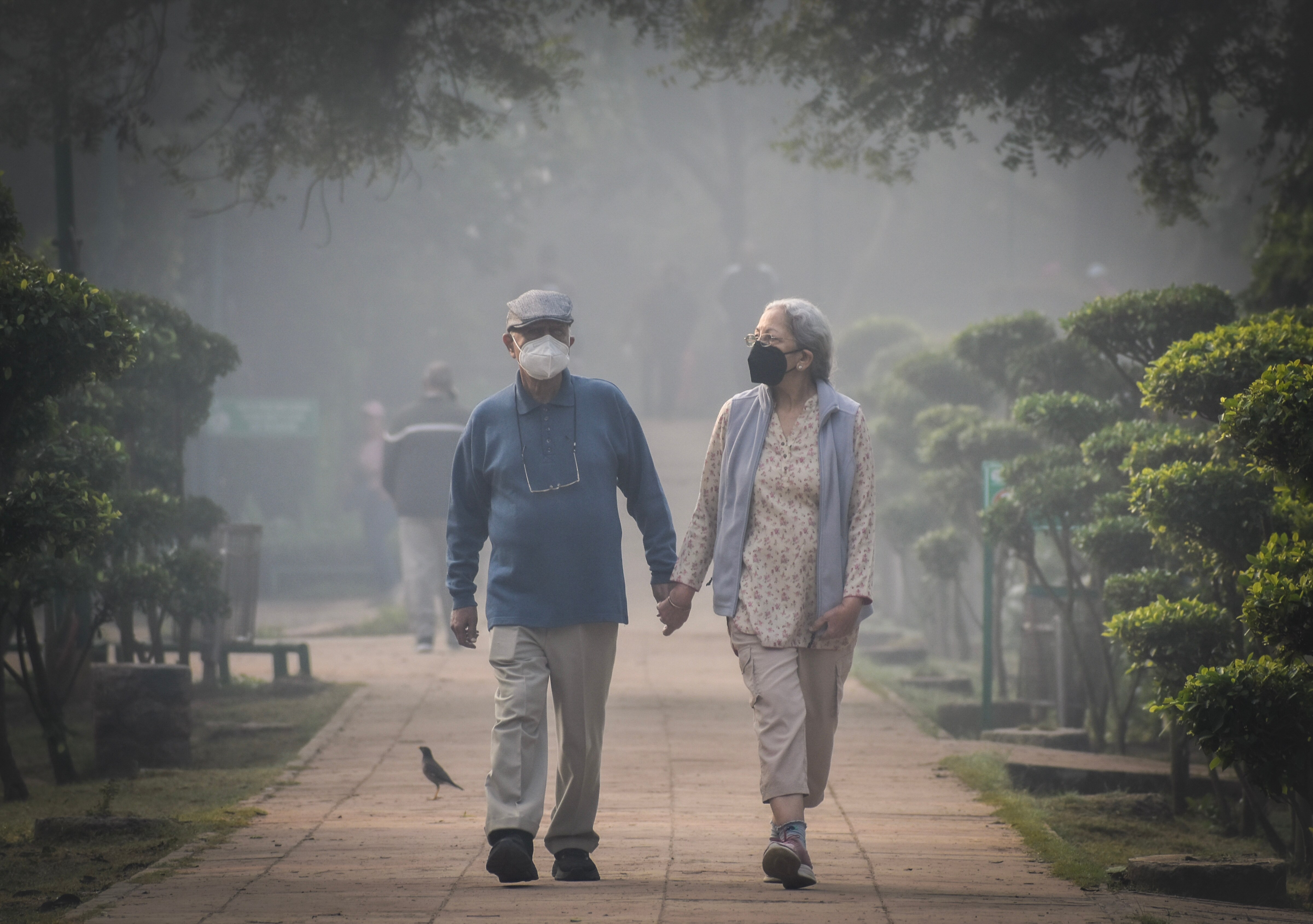
“Having one of these risk factors does not mean that a person will definitely develop lung cancer. The amount and length of exposure also affect this risk,” she highlighted.
Genes and biology can also play a role
In some cases, lung cancer that develops in a smoking-free person might be different from smoking-related lung cancer. Dr Jyoti explained, “Some genetic modifications in the cancer cell are also more prevalent in non-smokers, and their identification is relevant to the treatment decisions.”
“Genes do not account for all cases, though. It is still not understood why some people who have never smoked succumb to lung cancer while others exposed to similar environments do not,” she added.
Never ignore persistent lung symptoms
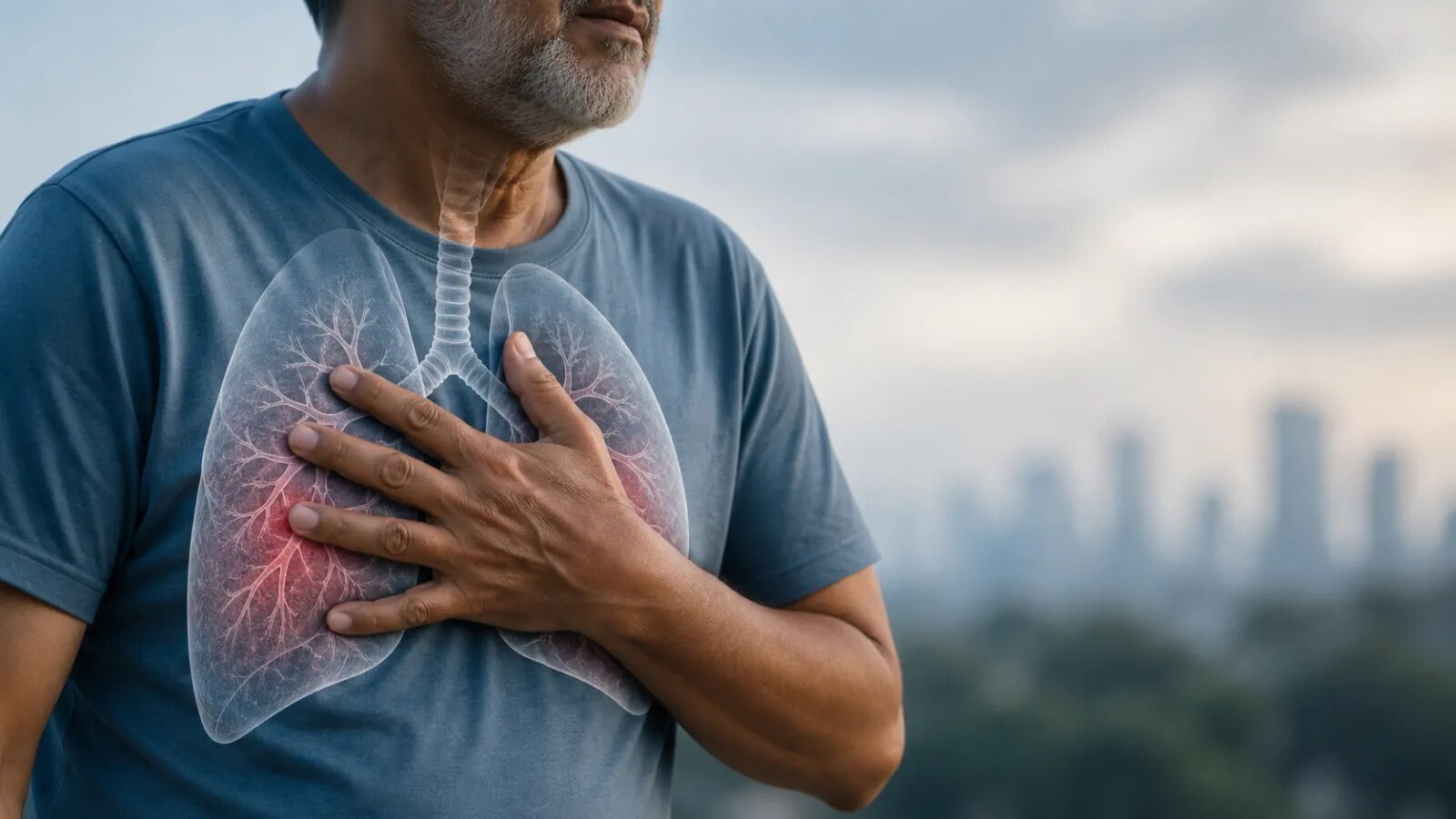
According to Dr Jyoti, a difficulty with ignoring persistent lung symptoms is that someone who has never smoked may not consider lung cancer when they begin to have a cough or breathing issues. The causes of symptoms may be attributed to pollution, allergies, an infection or shifting weather. However, she stressed that one should seek medical advice for symptoms such as:
- A cough that does not go away or keeps getting worse
- Unexplained breathlessness, chest pain or coughing up blood
- Unexplained weight loss, persistent tiredness or repeated lung infections
Lastly, she observed that though many common and non-cancerous conditions can cause these symptoms, having any of them doesn't necessarily mean you have lung cancer. Therefore, symptoms that do not go away or that keep coming back should be properly evaluated.
Note to readers: This article is for informational purposes only and not a substitute for professional medical advice. Always seek the advice of your doctor with any questions about a medical condition.
ABOUT THE AUTHOR

Catch your daily dose of Fashion, Taylor Swift, Health, Festivals, Travel, Relationship, Recipe and all the other Latest Lifestyle News on Hindustan Times Website and APPs.


