
 E-Paper



NHS surgeon explains if 'melatonin use is linked to heart failure and early death'

 Prefer HTon Google


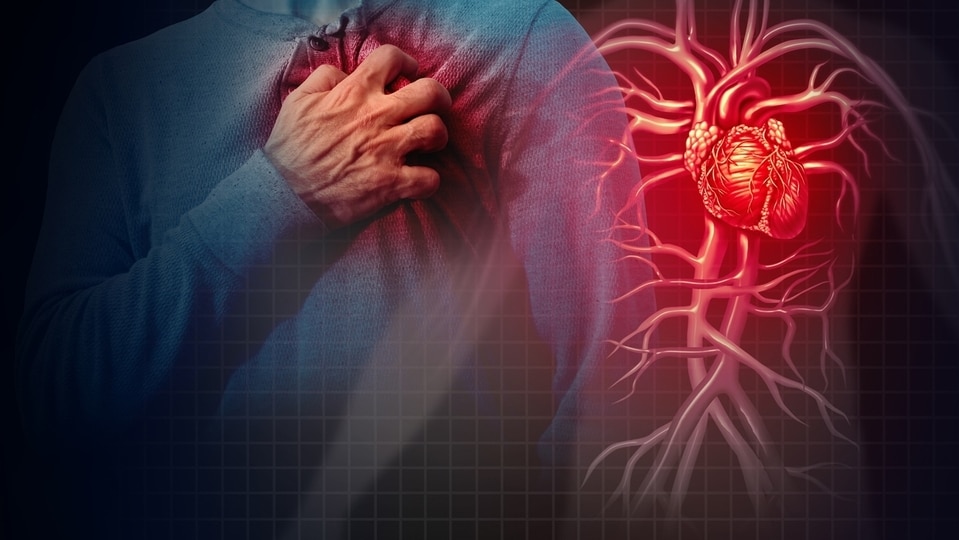
Dr Rajan recommends caution as he responds to a study suggesting that melatonin use may be linked to a higher risk of heart failure and premature mortality.
According to the Cleveland Clinic, melatonin — a hormone produced by the pineal gland — is emerging as a promising player in various medical fields, extending beyond sleep. It can help maintain regular menstrual cycles and also protect brain health by preventing brain cells from breaking down. Also read | Experts raise concerns over rising reliance on melatonin
Is there a dark side of melatonin?
While melatonin is generally considered safe, its impact on heart health remains a topic of ongoing research, with some studies suggesting potential harm to cardiovascular health.
In a November 5 Instagram video, Dr Karan Rajan, an NHS surgeon and host of Dr Karan Explores Podcast, discussed recent findings from the American Heart Association that suggest a connection between long-term melatonin use and an elevated risk of heart failure and premature mortality, citing a study of over 130,000 adults.
Dr Rajan reacted to a news report by NBC News that said: “New research shows taking melatonin for long periods of time could be a sign of underlying heart issues. Data released by the American Heart Association found that long-term use of the popular sleep aid is actually linked to a higher risk of heart failure and early death.”
Study doesn't prove that melatonin directly causes heart problems
Dr Rajan presented a critical counterpoint to the study, suggesting that the association may indicate that pre-existing, undiagnosed heart issues cause sleep difficulties, leading people to use melatonin, making the supplement a symptom rather than the root cause. He added that people with chronic insomnia, who are likely to take melatonin, already face higher rates of cardiovascular disease.
He said, “If you're using melatonin to sleep better, you need to know this. New research looked at over 130,000 adults and found that those who regularly took melatonin had a 90 percent higher risk of heart failure. But there's two big issues with this. Firstly, people with early undiagnosed heart failure will often struggle to sleep. So, what do they do? They look for something to help them sleep, like melatonin. So, melatonin might not be the cause, but simply a symptom of something that's already happening. And we already know that people with chronic insomnia have higher rates of heart disease. And guess who's likely to take melatonin? People with insomnia. All this study shows me is that people struggling to sleep who likely already have a higher risk of cardiovascular disease are more likely to take melatonin.”
The dangers of super-physiological dosing
Dr Rajan cautioned against the common practice of taking super-physiological doses — often 100 to 1,000 times the naturally produced amount — and advised that melatonin is not intended for daily, long-term use, recommending the lowest possible dose of 0.3 milligrams for those who do use it.
He said, “It's still worth appreciating that melatonin is a powerful hormone. Your body naturally produces between 0.3 and 0.1 milligrams of it per day. But if you walk into any pharmacy in the USA, you'll see doses of melatonin at 3, 5, and even 10 milligrams, that's 100 to 1000 times the physiological dose. We've somehow normalised super physiological dosing daily because it happens to be in a gummy, and we've labelled it 'natural'. Melatonin is great for what it was designed for, but it's not an everyday long-term sleep solution. If you're using it, start with the lowest possible dose. That's 0.3 milligrams, not 3 or 5 milligrams.”
Given the potential risks, consider discussing alternative sleep solutions and assessing your individual heart health with a doctor. If you struggle to fall or stay asleep, click here for doctor-approved 'simple, evidence-based tips to help improve sleep quality'.
Note to readers: This report is based on user-generated content from social media. HT.com has not independently verified the claims and does not endorse them.
This article is for informational purposes only and not a substitute for professional medical advice.


Catch your daily dose of Fashion, Taylor Swift, Health, Festivals, Travel, Relationship, Recipe and all the other Latest Lifestyle News on Hindustan Times Website and APPs.


