
 E-Paper



Tip of the day: Always soak pulses to reduce bloating, increase protein absorption; nutritionist shares guide

 Prefer HTon Google


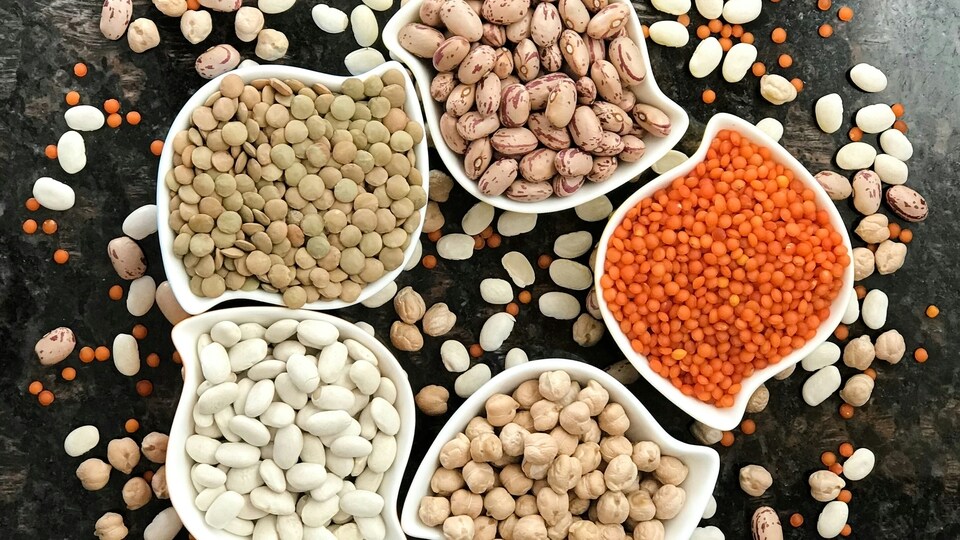
Nutritionist Shalini Sudhakar emphasises the importance of soaking pulses to remove anti-nutrients, enhancing protein absorption. Check out her guide.
Pulses are a great source of vitamins and minerals, including iron, potassium, magnesium, zinc, and folate. Moreover, diets that incorporate pulses have shown higher intakes of protein and fibre, making them an ideal option for vegetarians seeking protein-rich foods.
However, did you know that if you don't soak them properly, pulses can cause more problems? In a March 27 Instagram post, Kiran Kukreja, a certified dietitian and nutritionist, listed the recommended soaking times for various pulses. Her guide includes pulses such as green moong dal, rajma, toor dal, lobia, kala chana, and more, consumed in Indian households every day.
The right soaking time for pulses
According to the nutritionist, soaking time really matters for pulses because it helps to reduce gas and bloating, improves mineral absorption, cooks faster, and makes protein easier to digest. Therefore, our tip of the day is: Always soak pulses properly before consumption.
Sharing her guide, the nutritionist captioned her post: “Did you know each pulse needs a different soaking time? Here's the exact guide.” Here's what she recommended:
- Green moong (whole): Soak for six to eight hours for better digestion and cooking.
- Green moong dal (split): Soak for two to four hours to improve absorption.
- Yellow moong dal: Soak for 30 minutes to two hours for better digestion.
- Chana dal: Soak for six to eight hours to make it lighter on the gut.
- Toor dal: Soak for two to three hours for better absorption.
- Rajma: Soak for 10 to 12 hours, as it is very important for digestion.
- Red lentil dal: Soak for one to two hours for better digestion.
- Lobia: Soak for six to eight hours for better absorption.
- Kala chana: Soak for eight to 12 hours to reduce heaviness.
- White matar: Soak for eight to 10 hours for better digestion.
- Chickpeas: Soak for eight to 12 hours for proper cooking and digestion.
- Black Urad Dal: Soak for eight to 10 hours for proper cooking and digestion.
The nutritionist further offered a pro tip, recommending, “Discard soaking water for heavy pulses like rajma and chana. Add a pinch of hing while cooking for better digestion. And always remember that longer soaking = better digestion (but don’t over-ferment).”
Why is it important to soak pulses?
As per Shalini Sudhakar, a nutritionist, in a June 25 Instagram video, explained that soaking pulses is very important because it removes anti-nutrients like phytic acid, allowing your gut to absorb more protein. However, each pulse has its own soaking time, and it is important to know this to achieve optimal health benefits.
Note to readers: This article is for informational purposes only and not a substitute for professional medical advice. Always seek the advice of your doctor with any questions about a medical condition.
This report is based on user-generated content from social media. HT.com has not independently verified the claims and does not endorse them.


Catch your daily dose of Fashion, Taylor Swift, Health, Festivals, Travel, Relationship, Recipe and all the other Latest Lifestyle News on Hindustan Times Website and APPs.


