
 E-Paper



Wearable devices can predict outcomes for depression treatment: Research

 Prefer HTon Google


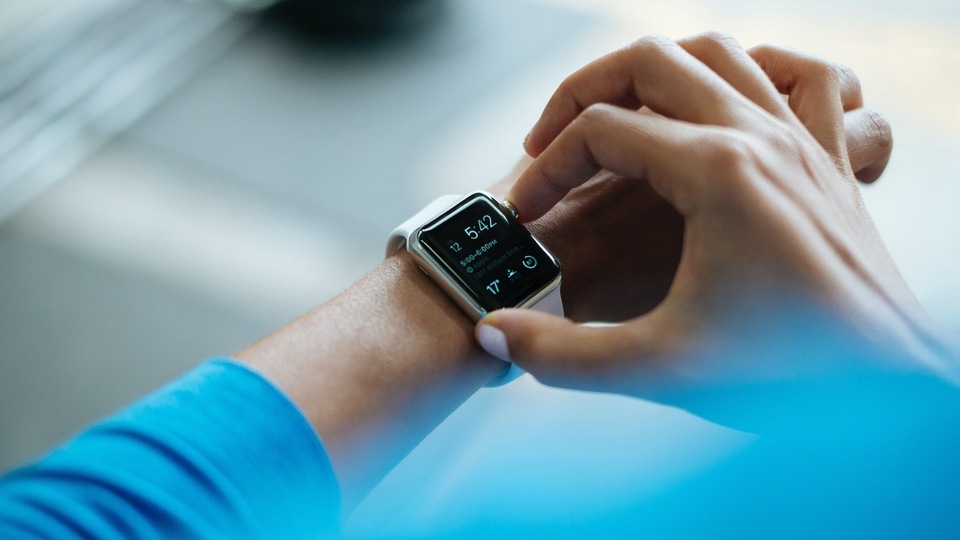
In recent years, managing one's mental health has taken on greater importance, with a focus on self-care. More than 300 million people experience depression globally each year. Given this, there is a great deal of interest in employing wearable technology to keep an eye on someone's mental health.
Managing one's mental health has been a higher priority in recent years, with an increased emphasis on self-care. Every year, more than 300 million people worldwide suffer from depression. Recognizing this, there is a lot of interest in using popular wearable gadgets to monitor a person's mental health by tracking markers like activity level, sleep, and heart rate. (Also read: Exercising for 30 minutes may reduce symptoms of depression, boost effects of therapy: Study )
A team of researchers at Washington University in St. Louis and at the University of Illinois Chicago used data from wearable devices to predict outcomes of treatment for depression on individuals who took part in a randomized clinical trial. They developed a novel machine learning model that analyzes data from two sets of patients -- those randomly selected to receive treatment and those who did not receive treatment -- instead of developing a separate model for each group. This unified multitask model is a step toward personalized medicine, in which physicians design a treatment plan specific to each patient's needs and predict outcome based on an individual's data.
Findings of the research were published in the Proceedings of the ACM on Interactive, Model, Wearable and Ubiquitous Technologies and will be presented at the UbiComp 2022 conference in September. Chenyang Lu, the Fullgraf Professor at the McKelvey School of Engineering, led a team including Ruixuan Dai, who worked in Lu's lab as a doctoral student and is now a software engineer at Google; Thomas Kannampallil, associate professor of anesthesiology and associate chief research information officer at the School of Medicine and associate professor of computer science and engineering at McKelvey Engineering; and Jun Ma, MD, PhD, professor of medicine at the University of Illinois Chicago (UIC); and colleagues to develop the model using data from a randomized clinical trial conducted by UIC with about 100 adults with depression and obesity.
"Integrated behavioral therapy can be expensive and time consuming," Lu said. "If we can make personalized predictions for individuals on whether it is likely a patient would be responsive to a particular treatment, then patients may continue with treatment only if the model predicts their conditions are likely to improve with treatment but less likely without treatment. Such personalized predictions of treatment response will facilitate more targeted and cost-effective therapy."
In the trial, patients were given Fitbit wristbands and psychological testing. About two-thirds of the patients received behavioral therapy, and the remaining patients did not. Patients in both groups were statistically similar at baseline, which gave the researchers a level playing field from which to discern whether treatment would lead to improved outcomes based on individual data.
Clinical trials of behavioral therapies often involved relatively small cohorts due to the cost and duration of such interventions. The small number of patients created a challenge for a machine learning model, which typically performs better with more data. However, by combining the data of the two groups, the model could learn from a larger dataset, which captured the differences in those who had undergone treatment and those who had not. They found that their multitask model predicted depression outcomes better than a model looking at each of the groups separately.
"We pioneered a multitask framework, which combines the intervention group and the control group in a randomized control trial to jointly train a unified model to predict the personalized outcomes of an individual with and without treatment," said Dai, who earned a doctorate in computer science in 2022. "The model integrated the clinical characteristics and wearable data in a multilayer architecture. This approach avoids splitting the study cohorts into smaller groups for machine learning models and enables a dynamical knowledge transfer between the groups to optimize prediction performance for both with and without intervention."
"The implications of this data-driven approach extend beyond randomized clinical trials to implementation in clinical care delivery, where the ability to make personalized prediction of patient outcomes depending on the treatment received, and to do so early and along the treatment course, could meaningfully inform shared-decision making by the patient and the treating physician in order to tailor the treatment plan for that patient," Ma said.
The machine learning approach provides a promising tool to build personalized predictive models based on data collected from randomized controlled trials. Going forward, the team plans to leverage the machine learning approach in a new randomized controlled trial of telehealth behavioral interventions using Fitbit wristbands and weight scales among patients in a weight loss intervention study.


