
 E-Paper



What is Hemochromatosis, the rare genetic disorder that causes organ dysfunction?

 Prefer HTon Google


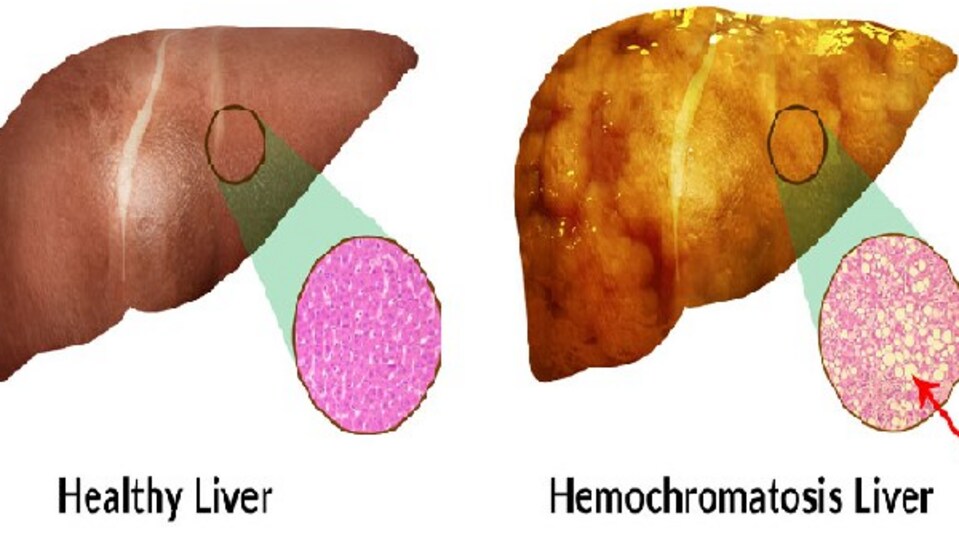
Health experts reveal all about Hemochromatosis or ‘bronze diabetes’, the rare genetic disorder that causes organ dysfunction - its causes, signs and treatment
Hemochromatosis is a rare genetic disorder that quietly threatens the health of affected individuals by causing iron overload, which can lead to severe organ dysfunction. This health condition is primarily classified into two types: hereditary hemochromatosis and secondary hemochromatosis.
In an interview with HT Lifestyle, Dr Manira Dhasmana, Associate Consultant at Dept of Internal Medicine in Dehradun's Max Healthcare, revealed, “Hereditary hemochromatosis is a genetic disorder driven by a mutation in the HFE gene, resulting in individuals being homozygous for the C282Y variant. This genetic anomaly sets the stage for a lifelong struggle with excessive iron absorption within the intestines. Unlike the body's natural ability to regulate iron intake based on its needs, individuals with hereditary hemochromatosis have a relentless and indiscriminate iron absorption mechanism, leading to a gradual buildup of iron in their system. Over time, this iron overload becomes a ticking time bomb for multiple organs.”
Dr Manira Dhasmana explained, “The excess iron in the bloodstream may initially seem benign but it eventually infiltrates vital organs, such as the liver, heart, and pancreas, with destructive consequences. These organs bear the brunt of iron deposition, which can trigger a cascade of health problems, including cirrhosis, heart failure, diabetes, and arthritis. Secondary hemochromatosis, on the other hand, differs from the hereditary form as it is typically caused by external factors like frequent blood transfusions, excessive iron supplementation, or certain medical conditions. The iron accumulation in secondary hemochromatosis is often more rapid and can have a similar impact on organ function.”
She elaborated, “In both hereditary and secondary hemochromatosis, early detection is crucial. Treatment options include therapeutic phlebotomy, which involves regular blood removal to reduce iron levels and iron-chelating medications to help manage iron overload. Hemochromatosis, though rare, serves as a poignant reminder of the intricate interplay between genetics and health. Understanding the mechanisms of this disorder is essential for timely diagnosis and intervention.”
Bringing his expertise to the same, Dr Rohan Badave, Consultant Gastroenterologist at Manipal Hospital in Goa, shared, "Hemochromatosis is an iron overload illness that causes numerous organ failure. Because the body is incapable of excreting excess iron, iron intake is normally closely regulated. Hemochromatosis develops when the body accumulates excessive amounts of iron. Hemochromatosis has been dubbed "bronze diabetes" because to the skin darkening and concomitant pancreatic illness. The most frequent autosomal recessive condition in whites is hereditary hemochromatosis. Secondary hemochromatosis develops as a result of erythropoiesis abnormalities and illness treatment with blood transfusions."
Pathophysiology: According to Dr Rohan Badave, organs affected by hemochromatosis include the liver, pancreas, heart, thyroid, joints, skin, gonads and pituitary. Excessive alcohol intake and viral hepatitis accelerate the pathology associated with hemochromatosis, especially with respect to the liver and pancreatic toxicity. He highlighted -
- Cirrhosis is present in 70% of patients with hemochromatosis. In these patients, there is a marked increased incidence of hepatocellular carcinoma, which is a significant cause of death.
- Diabetes is the primary manifestation of pancreatic iron deposition. The incidence of diabetes is approximately 50% in symptomatic patients, and the risk is increased in heterozygotes for hereditary hemochromatosis.
- Arthroplasty manifests as joint pain without joint destruction. Although the presentation is identical to that of degenerative joint diseases, calcium pyrophosphate crystals can be found in the synovial fluid. It can still progress after the normalization of iron stores.
- Cardiac symptoms result from iron deposition in the cardiac muscle fibers and cells of the conduction system. Electrocardiac abnormalities can be present before true cardiac dysfunction occurs. Symptoms are due to congestive heart failure as a result of dilated cardiomyopathy and cardiac arrhythmias. Left ventricular failure can sometimes be reversed with the removal of iron stores.
- Hypogonadism, with resultant impotence, is due to iron-induced hypothalamic or pituitary failure, resulting in impairment of gonadotropin hormone release.
- Skin hyperpigmentation is a result of both iron and melanin deposition. It does not usually occur before the iron stores exceed five times the normal levels.
Investigations: Dr Rohan Badave said, “The investigation should start with the measurement of serum transferrin saturation or serum ferritin concentration. The ferritin specificity can be affected by inflammatory conditions. Ferritin levels above 200 mcg/L in women or 300 mcg/L in men or transferrin saturation of more than 40% in women or 50% in men should lead to further testing. Genetic testing for HFE mutations will confirm the diagnosis in over 90% of cases.”
Treatment: Dr Rohan Badave concluded, “Phlebotomy is the standard treatment for primary hemochromatosis. Iron toxicity can be reduced by removing red blood cells, the body's main mobilizer of iron. Phlebotomy is usually performed once or twice a week. Once iron levels have normalised, lifelong, but less frequent, phlebotomy (typically 3-4 times a year) is required. The objective is to obtain a ferritin level of less than 50 mcg/L. Iron removal through phlebotomy improves insulin sensitivity, skin pigmentation and fatigue; however, cirrhosis, hypogonadism, and arthroplasty remain unchanged.”


