
 E-Paper



World Cancer Day 2025: Can lifestyle trigger cervical cancer? Know causes, prevention tips

 Prefer HTon Google


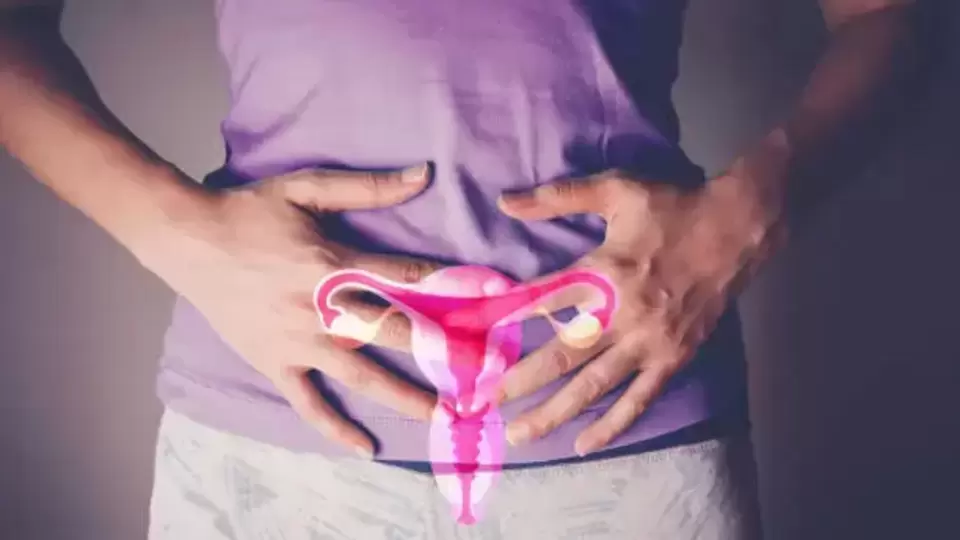
World Cancer Day 2025: From diet to sexual behaviours to exercise, here’s how lifestyle factors can be linked to cervical cancer.
World Cancer Day 2025: Cervical cancer is caused by prolonged human papillomavirus (HPV) infection, which leads to abnormal cell growth in the cervix. Lifestyle plays a significant role in triggering the development of cervical cancer. In an interview with HT Lifestyle, Dr Shriniwas Kulkarni, Consultant Medical Oncologist, Sahyadri Super Speciality Hospital, Hadapsar, Pune said, “This disease is most commonly associated with human papillomavirus (HPV) infection, but it is affected by a person's lifestyle. As cervical cancer remains to be one of the major health concerns in the country, modifying these lifestyle factors can help in reducing the incidence.” Also read | Cervical cancer could be hiding in plain sight. Here’s what women must watch for
Diet and nutrition:
Emphasizing on eating foods rich in fruits and vegetables can decrease the onset of cervical cancer. Antioxidant-rich foods like vitamin E, vitamin C, and beta-carotene can serve their purpose in cell protection. However, there is a higher chance of cervical cancer occurring if a person's diet consists of processed meat, red meat and lack those vitamins.
Smoking:
People are more prone to developing cervical cancer if they smoke. Women who smoke develop cervical mucus, and toxic residues from smoking can damage the genes of cervical cells. In terms of females who smoke, their chances of developing cervical cancer double as compared to women that don’t smoke.
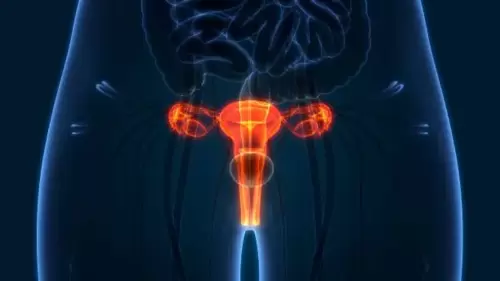
Sexual and reproductive behaviour:
In terms of the cervical cancer risk factors, early sexual activity and having multiple sexual partners is of paramount importance. These factors raise the chances of acquiring human papilloma virus (HPV), which is the primary factor for cervical cancer. In addition, women that consume oral contraceptives for long, specifically, five or more years alongside the aforementioned factors show a higher chance. Also read | Cervical cancer and fertility: Life-changing options every woman needs to know
Obesity:
There is relation between obesity and an increased risk of developing cervical cancer. Fat tissue has an effect on inflammation and the levels of hormones, and this may have a negative impact on the conditions of cervical cells. Thus, it is recommended to control body mass through dietary changes and physical exercise.
Alcohol consumption:
Excessive alcohol intake can weaken the immune system, impairing the body's ability to fight off HPV infections, potentially leading to an increased risk of cervical cancer.
Physical activity:
Regular physical activity is associated with a reduced risk of cervical cancer. Exercise helps in maintaining a healthy weight, reducing inflammation, and improving immune function.
Environmental and occupational exposures:
Exposure to certain chemicals and dust may increase the risk of cervical cancer. Women working in industries that expose them to these risks should use protective measures and undergo regular screening. Also read | Sexual and reproductive issues after cervical cancer treatment: Doctor shares tips to address
Prevention strategies to follow:
HPV vaccination: HPV vaccines are currently available and recommended for girls and boys because they prevent the high-risk strains of HPV that are responsible for the majority of cervical cancer cases.
Regular screening: Pap smears and HPV testing are crucial for detecting early changes in cervical cells that may develop into cancer. Screening allows for early treatment, significantly improving outcomes.
Disclaimer: This article is for informational purposes only and not a substitute for professional medical advice. Always seek the advice of your doctor with any questions about a medical condition.


Catch your daily dose of Fashion, Taylor Swift, Health, Festivals, Travel, Relationship, Recipe and all the other Latest Lifestyle News on Hindustan Times Website and APPs.


