
 E-Paper



World Down Syndrome Day: Common eye conditions that may affect kids with Down syndrome

 Prefer HTon Google


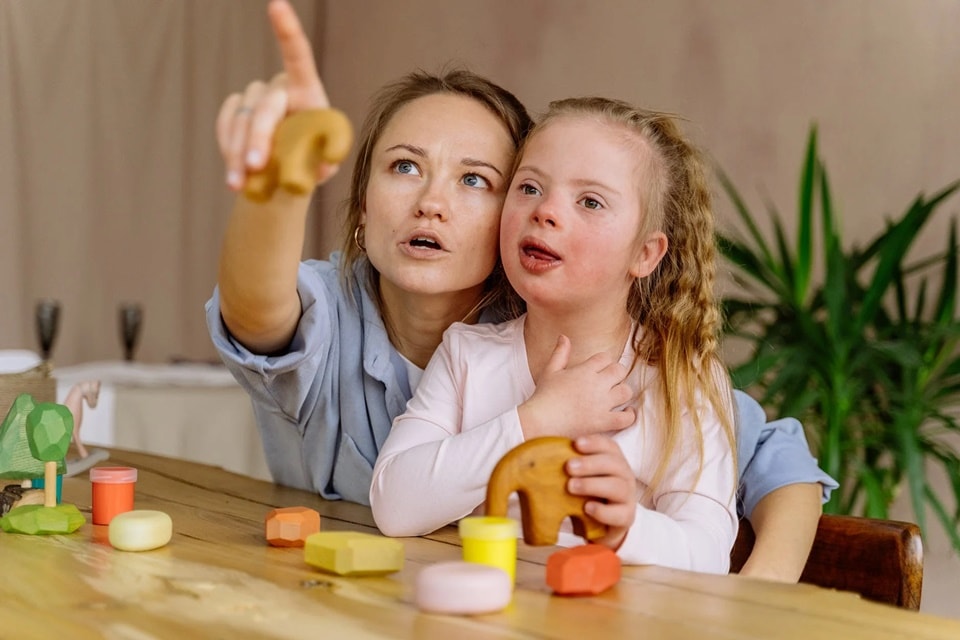
World Down Syndrome Day 2022: As per the National Down Syndrome Society, close to 35-50% of people with Down Syndrome suffer from some type of eye or vision problem.
World Down Syndrome Day 2022: Children with Down syndrome are at a greater risk of developing health conditions like heart defects, childhood leukaemia, immune and endocrine system dysfunction and are also prone to develop vision or eye related problems. As per the National Down Syndrome Society, close to 35-50% of people with Down Syndrome suffer from some type of eye or vision problem. The child born with Down syndrome has an extra chromosome which can cause physical and mental challenges. In India, Down Syndrome affects almost 30,000 to 35,000 children every year. (Also read: World Down Syndrome Day: Know the symptoms, important facts about the genetic condition)
Not every child with Down syndrome will develop an eye problem but one must pay attention to these possible eye conditions, as explained by Dr Ramesh Kekunnaya, Director, LVPEI network & Child Sight Institute, LVPEI, Hyderabad.
Refractory errors: Refractory errors like farsightedness and nearsightedness occur in the general population, but they tend to occur more often in those with Down syndrome. Glasses can be used to correct refractory errors and improve vision. The earlier the refractory error is diagnosed, the better it is for the child’s development.
Blepharitis: This condition causes inflammation of the eyelids with redness at eyelid margins and crusting around the eyelashes and results in a feeling of burning or dryness of the eyes.
Strabismu and nystagmus: Around 20 to 60% of those affected with Down Syndrome have eyes that are misaligned (strabismus). Esotropia (eyes that drift in) is usually common in children with Down Syndrome, while exotropia (eyes that drift out) occurs less frequently. Strabismus can be treated with glasses, patching or eye muscle surgery, as required.
Tear duct abnormalities: It is quite common for children with Down Syndrome to have abnormalities related to the tear ducts. For instance, too much tearing or discharge from the eyes may develop, especially when the person has a cold. Gently massaging the space between the eye and the nose a few times a day opens up the tear duct and reduce discharge. In some cases, if the condition persists, surgery is recommended.
Cataracts: There is an increased incidence of congenital cataracts and acquired cataracts among children with Down Syndrome. Although these cataracts may progress slowly, they must be monitored regularly. If the cataract is visual significant surgery may be needed.
Symptoms of vision related problems in children with Down syndrome
* Closing of one eye, redness, watering
* Frequent squinting
* Unusual head tilt
* Increased light sensitivity
* Crossing or wandering of one or both eyes
* Blurry vision
* Eyelid droop
Tips on maintaining eye health in Down Syndrome
"Children with Down Syndrome need to follow the same guidelines for eye health as those without Down Syndrome. These include consuming a diet that’s high in veggies and fruits, less or no screentime, more outdoor activities and protecting their eyes from UV rays by wearing proper sunglasses," says Dr Ramesh Kekunnaya.
"Apart from the above, it is important for children with Down Syndrome to have regular eye exams. Eye examinations are helpful in diagnosing eye problems before they become serious. In children, vision or eye issues can interfere with learning and could also contribute to developmental delays," added the expert.


