
 E-Paper



Menopause and hair fall: Link between hormones, nutrition and hair health that women in 40s and 50s should know

 Prefer HTon Google


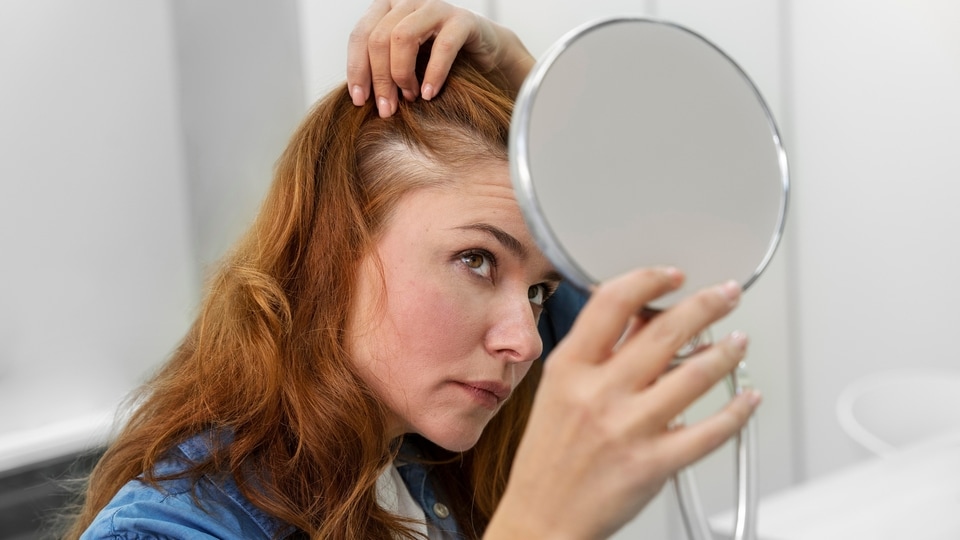
After menopause, women often accept hair loss as a sign of ageing, but it goes deeper than that. Dr Soni explains how hormones and nutrition affect hair health.
Menopause is often associated with hot flushes, mood swings and sleep disturbances. Yet, for many women, the transition brings another concern that receives far less attention: hair fall and thinning. While it is easy to dismiss hair loss in your 40s and 50s as an inevitable part of ageing, the changes are not always simply down to getting older.
In a conversation with HT Lifestyle, Dr Rashi Soni – a dermatologist, hair transplant surgeon, and consultant at Traya Health, highlights, “The menopausal shift can affect the hair cycle, scalp environment and even the way hair follicles respond to hormones. Studies and literature on the subject highlight menopause as a critical period for FPHL – female pattern hair loss, in spite of hormones being just one piece of the puzzle.”
The oestrogen drop
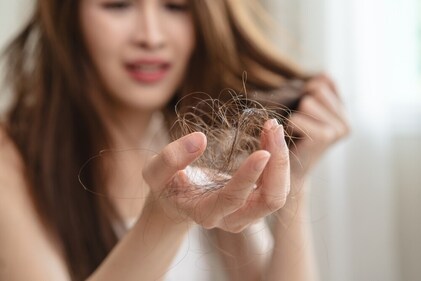
The biggest change that happens at menopause is a drop in oestrogen, the hormone that regulates the hair cycle. During menopause, some women have substantial shedding, a wider hair parting, less ponytail volume and progressive thinning on the crown area.
Dr Soni points out, “FPHL is common during the midlife stage and tends to progress if not treated. But not all hair loss is hormonal. Menopause may coincide with nutritional deficiencies, weight changes, or other health problems.”
Why nutrition is non-negotiable
According to the hair transplant surgeon, hair is primarily made of keratin, a protein. Hence, when it comes to nutrition, protein is non-negotiable. For women going through menopause, paying attention to adequate dietary protein intake is important. So, instead of fretting about hair gummies and the like, the best thing to do is to first concentrate on a well-rounded diet and sufficient dietary protein from foods like dal, dairy, soy, legumes, eggs, nuts and seeds.
“Moreover, the hair follicle is a mini-organ with a high metabolic rate and needs energy and nutrients for healthy growth. Some women put on weight during this phase, and often turn to restrictive crash diets which dramatically cut calories. Dieting aggressively, missing meals or nutritional deficiencies can especially affect hair growth in women,” adds Dr Soni.
Avoid the supplement trap
When hair fall increases, supplements can seem like a tempting option, especially given how many are widely available and advertised in the market. But taking them without proper consultation is not advisable.
The dermatologist stresses that for women experiencing menopause, nutrients such as iron, zinc or other essential nutrients should ideally be supplemented only if a deficiency is confirmed or an increased requirement is confirmed. Excess supplementation is not automatically better. Excess iron, for example, can be harmful, especially for women.
Look beyond hormones
Hair health during menopause needs to be viewed in the light of overall metabolic health. Emerging evidence is looking beyond oestrogen alone, with associations between female pattern hair loss, insulin resistance, increased BMI and metabolic syndrome being explored.
However, before looking for solutions, it’s important to find the root cause of hair fall and solve the problem from inside-out. Dr Soni recommends the following:
- Focus on nutrition – First, establish a balanced, nutrient dense diet that provides sufficient protein and iron-rich foods.
- Look deeper – If you have significant hair fall, visit a doctor and get the right blood tests done, instead of self-prescribing supplements. These blood tests usually include Serum Ferritin, B12, D3 and CBC.
- Pattern to note – Overall thinning and width of parting, not just number of loose hairs on pillow or comb.
- Know the difference between cosmetic and clinical procedures – Shampoos can improve hair texture, moisture and breakage, but cannot treat follicle miniaturisation in female pattern hair loss. The best results are seen with evidence-based medical treatments such as minoxidil, which should be started early with a follicle-first approach.
- Avoid oversimplifying – Labeling every case of midlife hair fall as purely ‘hormonal’ is a mistake. Menopause may be the trigger or a contributing factor, but deeper diagnosis determines the best treatment.
“Don’t just accept thinning hair in your 40s and 50s as an inevitable part of aging. Menopause can be a trigger or contributing factor but understanding the relationship between hormones, nutrition, scalp and hair follicles is key to identifying the root cause and choosing the right treatment,” concludes Dr Soni.
Note to readers: This article is for informational purposes only and not a substitute for professional medical advice. Always seek the advice of your doctor with any questions about a medical condition.
Dr Rashi Soni is a dermatologist, aesthetician and hair transplant surgeon with five years of clinical experience. She holds an MBBS and FCPS in Dermatology, is co-owner of Rashi Hospital and works as a consulting dermatologist at Traya Health. Her clinical practice includes skin and scalp conditions, hair loss management and aesthetic treatments.


Catch your daily dose of Fashion, Taylor Swift, Health, Festivals, Travel, Relationship, Recipe and all the other Latest Lifestyle News on Hindustan Times Website and APPs.


