
 E-Paper



Your 20s workout may not work in your 30s: Fitness expert Deepti Sharma explains how to adjust your routine to suit your body's needs

 Prefer HTon Google



Your body's needs change once you enter your 30s and your fitness routine should be adjusted accordingly. Deepti shares what you should focus on in this age.
Turning 30 doesn’t mean you suddenly have to go easy on yourself at the gym. It simply means you may need to rethink how you train. In your 20s, workouts often revolve around intensity, aesthetics and quick results. By your 30s, however, sleep, stress, recovery, mobility and nutrition begin to play a much bigger role in determining how well your body responds to training – and how consistently you can keep showing up.
In a conversation with HT Lifestyle, Deepti Sharma, founder and director of MultiFit and an ACPT Level 5-certified professional, breaks down what needs to change in your fitness routine as you enter your 30s. While high-intensity training still has its place, the problem begins when every workout leaves you completely drained, because maintaining that level of intensity week after week can be difficult. Eventually what follows are skipped sessions, inconsistent routines and waning motivation.
Fitness goals in your 30s
“Your workout does not have to destroy you to be effective. In your 30s, the goal should shift from proving how hard you can train to understanding how well you can train, recover and repeat that performance consistently,” explains Deepti.
If your fitness routine revolves largely around running, cycling or simply burning calories, you could be missing a crucial component of training: building strength. While cardio is essential for cardiovascular health, relying on it alone means missing out on the benefits of resistance training.
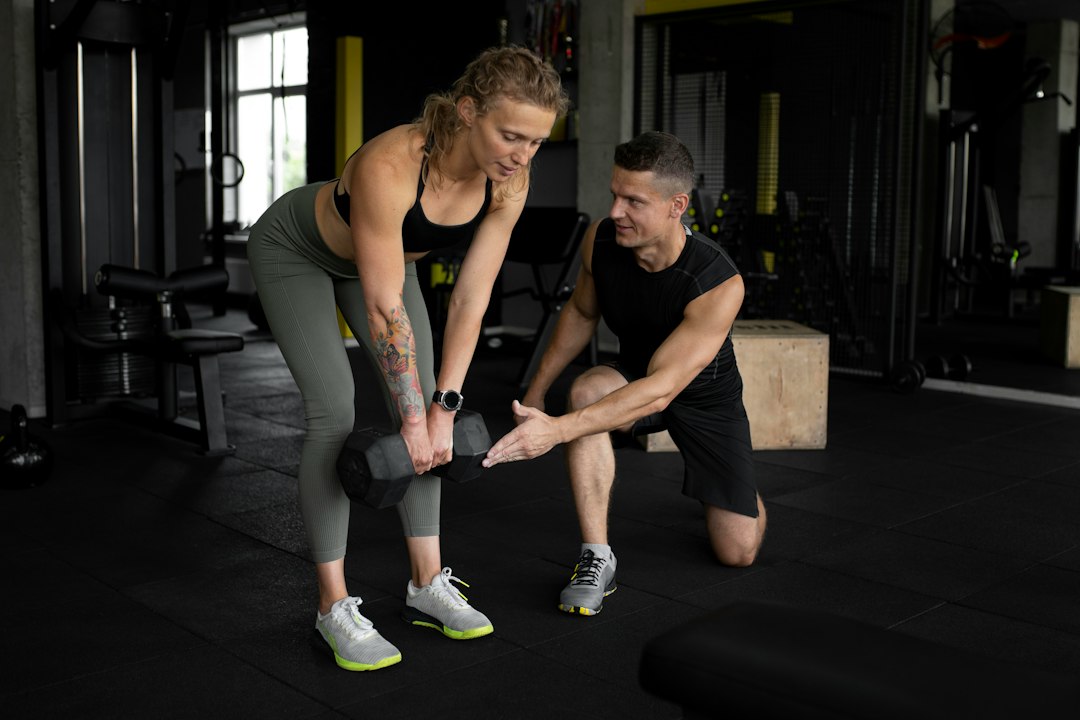
Why is strength training essential?
As you age, lifting weights becomes increasingly valuable for maintaining muscle mass, supporting bone health and preserving the strength and mobility needed for everyday activities. According to the fitness expert, an effective workout plan should incorporate progressive resistance training that targets all major muscle groups.
Moreover, the US Centers for Disease Control and Prevention (CDC) recommends muscle-strengthening activities at least twice a week, alongside regular aerobic exercise. Deepti highlights, “If your 20s were about chasing the burn, your 30s should be about building a stronger body. Strength training is not just about looking toned. It is about maintaining muscle, improving movement and building a body that supports you long term.”
Recovery counts as training
By your 30s, most people are juggling a job, family responsibilities and a fair amount of stress. This makes sleep, adequate recovery, mobility work and a sustainable training schedule all the more important for staying consistent. Deepti emphasises that this doesn’t necessarily mean doing less at the gym; rather, it means tuning into your body’s needs and knowing when to give yourself time to recover.
Deepti notes, “Recovery should not be viewed as time away from fitness. Recovery is what allows your body to adapt to the work you are putting in. If you constantly train without recovering, you are compromising the very progress you are working for.”
Focus on movement
You can be good at deadlifting and still struggle with everyday movements. Mobility, flexibility and stability training help bridge that gap, particularly if you spend most of your day sitting at a desk.
“Fitness in your 30s should not only be measured by how much you can lift or how fast you can run,” says Deepti. “Ask yourself: Can I move well? Can I control my body? Can perform everyday activities without pain or restriction?”
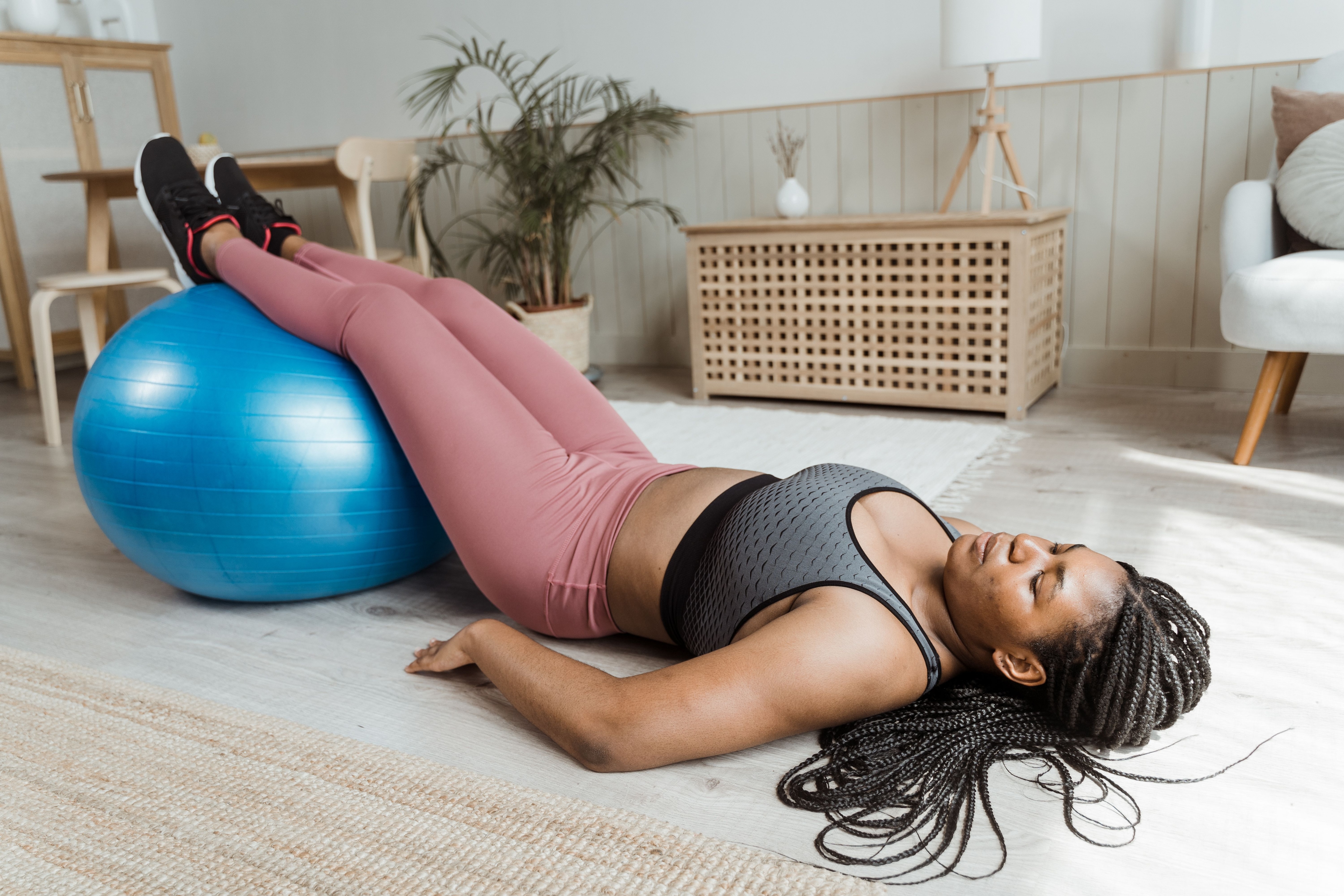
How to deal with changing body shape?
When their body shape starts to shift, many people cut their food intake or add more cardio. The fitness expert suggests looking at the whole picture instead: enough protein, enough water and a calorie intake you can stick to. Training and nutrition need to work together if you want to change body composition without losing muscle.
“The answer to changing body composition in your 30s is not automatically eating less and exercising more. You need to fuel your body properly, prioritise protein and build habits that you can sustain rather than following extreme short-term diets,” stresses Deepti.
The biggest change is in what you are training for. In your 20s the target is often an event, a season or a particular aesthetic. In your 30s it makes more sense to think about the body you want to have in your 40s, 50s and beyond.
“Your 20s can teach you what your body is capable of. Your 30s are an opportunity to build on that knowledge. The goal is not to train like you are 20 forever; it is to become stronger, more mobile, more resilient and healthier as you get older. A good routine in your 30s is not easier than the one you had in your 20s. It is more deliberate. Keep strength work at the centre, hold on to some cardio, add mobility, take rest days seriously and eat enough to support it all,” concludes Deepti.
Note to readers: This article is for informational purposes only and not a substitute for professional medical advice. Always seek the advice of your doctor with any questions about a medical condition.
Deepti Sharma is a fitness expert, founder and director of MultiFit, and an ACPT Level 5-certified professional. She is also the co-founder and director of Lexicon Group, with interests spanning wellness, education, STEM learning and other consumer-focused businesses.


Catch your daily dose of Fashion, Taylor Swift, Health, Festivals, Travel, Relationship, Recipe and all the other Latest Lifestyle News on Hindustan Times Website and APPs.


