
 E-Paper



How to know if your cat is dehydrated; know signs and symptoms, ways to treat

 Prefer HTon Google


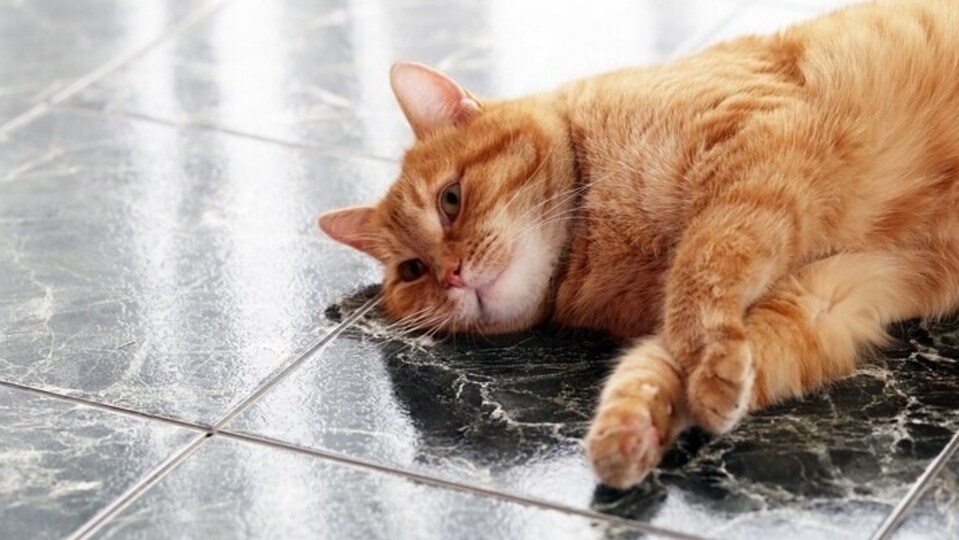
Spotting signs of dehydration in cats can be tricky as they try to hide their discomfort. Here's how to know if your cat's hydration levels are too low.
It is not unusual for cats to get dehydrated in hot and humid weather conditions. While it may not appear so, cats too sweat through their paws and this can contribute to water loss and become a factor in their dehydration. However, the more common causes of dehydration in cats are heat stroke, diabetes, diarrhoea, fever, vomiting among others. Spotting signs of dehydration in cats can be tricky considering your feline friends habitually try to hide their physical discomfort. However, if your cat has suddenly stopped eating, or being more lethargic than usual, or has dry mouth or sunken eyes, one must immediately get in touch with a vet as dehydration can lead to complications in cats. (Also read: National Take Your Cat to Work Day: Tips to follow while bringing your kitty to office)
Also Watch: How To Choose The Right Food For Your Cat | Shopping Haul | HT Lifestyle
Dehydration in cats
"Our feline friends' overall health is dependent on adequate hydration. Dehydration is a serious condition in cats and causes serious health issues if not treated," says Dr Sudama Gupta, Vet at Wiggles MyVet.
What causes dehydration in cats?
Excessive hot and humid weather conditions or underlying medical conditions can be a cause of your cat's dehydration. If you cat is not responding well to home remedies, it's best to take your feline friend to a veterinary expert.
"There are various factors that cause dehydration in cats. Prolonged exposure to heat, diarrhoea, vomiting, less water intake, excessive urination are the primary causes of dehydration. In addition to these, underlying medical issues like hyperthyroidism, kidney disease and diabetes can also cause dehydration in cats. Cat parents need to be aware of these health issues, so that they can take appropriate steps to prevent dehydration. Extreme cases can cause seizures or collapse," says Dr Gupta.
What are signs of dehydration in cats
Pet parents know their kitty quite well and if it is behaving unusually, one should look for these signs of dehydration.
"Detection of dehydration in cats can be extremely challenging as cats are skilled enough to hide signs of discomfort or illness. However, symptoms like reduced appetite, lethargy, sunken eyes, dry or sticky gums, decrease in skin elasticity are indicators of dehydration. Additionally, observing changes in their behaviour along with changes in appearance and drinking habits are helpful in knowing early signs of dehydration. Also observe any signs of illness or discomfort and if you see any of these do consult a veterinarian immediately. Proactive approach ensures that your cat stays healthy and hydrated," says Dr Gupta.
How can you prevent and treat dehydration
Here are ways to prevent your cat from getting dehydration and also treatment methods to rehydrate your kitty.
- Ensuring regular supply of fresh and clean water to cats is the primary and most important step in preventing dehydration.
- A cat-friendly water fountain can be the best way to encourage increased water intake as cats prefer running water.
- Switching to wet food is a great way to increase and maintain a cat's body water levels. Water content in wet food is much higher as compared to dry food.
- During a warm day or season, it is essential to provide them with a cool and shaded area to relax.
Treatment of dehydration in cats
- If you observe signs that your cat is dehydrated, rush to the vet clinic immediately.
- Intravenous fluids or oral rehydration therapy might be given by the vet for quick rehydration of your cat. Small amounts of electrolyte fluids or water with the help of a syringe should be given to the cat throughout the day.
- Addressing underlying diseases and dietary adjustments is also part of the treatment that can be advised by the veterinarian.
"Overlooking dehydration in cats can lead to serious consequences on their health. If you observe signs that your cat is dehydrated, rush to the vet clinic immediately. Being proactive and taking essential steps to prevent dehydration will help immensely in keeping your cat hydrated and healthy. Recognizing the causes, signs and preventive measures ensure maintaining your cat’s hydration levels. Adequate hydration levels ensure that our feline friends stay happy and hydrated," concludes Dr Gupta.


