
 E-Paper



Add an old English twist to your holiday cocktails with sloe gin. Here are 4 recipes

 Prefer HTon Google


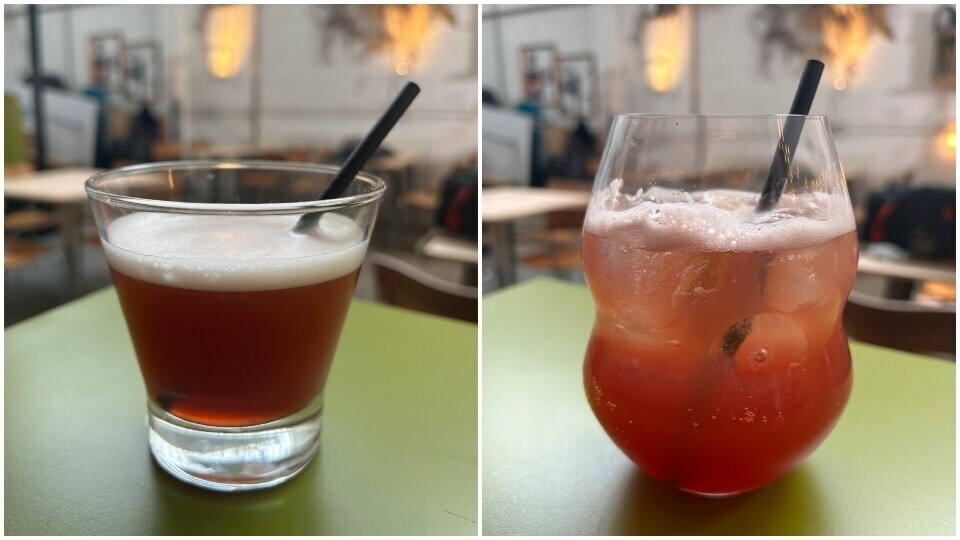
Technically, sloe gin isn't a gin at all. With the addition of sugar and sloes, it becomes a liqueur, and has a far lower alcohol content than a standard gin.
Sloe gin is a festive old English drink that's especially well-suited to the winter holidays. You can drink it over ice, try it in a cocktail, or forage for sloe berries and make a home batch. Family recipes have been passed down for generations, but for novices, it’s easy to experiment at home. (Also Read | 3 irresistible recipes to welcome New Year 2024: Chicken Pops, Mutton Seekh Kebab, Garlic Prawns)
THE BERRIES
Sloe gin's origins go back to the hedgerows of blackthorn bushes that served as fences all across England when common farmland was divvied up in the 17th century. Their plum-like, inky blue-purple sloe berries became synonymous with the English countryside.
After realizing that the raw berries tasted tart and astringent, people tried to make wine from them. But the astringency remained, and then “someone had the bright idea of resting it on a spirit,” says Joe Horning, the liquid quality and innovations manager at the London-based Sipsmith Gin.
By steeping sloe berries in alcohol, the low-quality gin of the time was transformed into a more palatable tipple. As distilling methods improved, a more refined drink was created. And bartenders further elevated its profile with the invention of the famous Sloe Gin Fizz in the early 20th century and pre-Prohibition cocktails like the Charlie Chaplin.
GREEN AND SEASONAL
There’s been a resurgence recently in the popularity of sloe gin, according to Siobhan Robinson, owner of the East London craft distillery Mother’s Ruin.
“As we got more interested in the environment and foraging and what we’re doing to the world, I think there’s been a renaissance of people making their own sloe gin, and a real interest in sloe gin,” she says.
Sloe gin also has a Christmas association because the berries are at their ripest in the autumn, and its “earthy warm flavor” suits the time of year, she adds.
She suggests using it in hot cocktails, like a Hot Sloe Gin Punch, a Hot Toddy with whiskey, or even adding a slug to hot chocolate for a punchy festive treat.
Technically, sloe gin isn't a gin at all, Robinson says. With the addition of sugar and sloes, it becomes a liqueur, and has a far lower alcohol content than a standard gin, around the same strength as a strong wine.
While sloe gin is traditionally drunk over ice as a digestif, it is also versatile in modern cocktails.
Horning suggests substituting raspberry flavors like Chambord for a twist on a French Martini or a Kir Royale. He also recommends a Sloe Negroni, reducing the measures to allow for a shot of sloe gin in addition to London Dry Gin, Campari and sweet Vermouth.
FORAGING AND DIY
When you forage for sloes, Horning says, feel the berries for ripeness, but also look for a yeast powder on the berry's core, “a telltale sign that the fruit’s ripe.” As for quantity, “the more the merrier.”
Old traditions dictate that each berry is given a pinprick to let the juices flow into the base spirit, but Horning recommends freezing the berries instead. That causes small ruptures in the skin, allowing the juices to come through, and is far less time-consuming.
The sloes should be rested in a Mason jar of gin, filled just below the liquid level. Resting periods can vary from months to a year. There are no hard-and-fast rules; Horning recommends two to three months, while Robinson thinks the longer the better.
Either a sugar syrup or honey should be added at the end, and less is more.
“Sweeten cautiously, because you can always add more sugar if need be, but you can’t take away,” Horning advises.
Both he and Robinson agree it’s all about experimentation and play.
If sloe berries aren't readily available, you can substitute damsons, a similar fruit, or experiment with any fruits and a base of gin or even vodka.
“Pick your fruit, put it in alcohol, add sugar, leave it for a long time, drink it and see if you like it,” Robinson laughs.
Some cocktail recipes:
MOTHER'S RUIN SLOE GIN SOUR
1 oz (30ml) Sloe Gin
1 oz (30ml) Bourbon
1½ oz (50ml) freshly squeezed lemon juice
Dash of Angostura Bitters
Drop of foaming bitters (we use Ms Better’s Bitters Miraculous Foamer)
Add ice and all the ingredients to a shaker, shake for 30 seconds, and strain into a glass so the ice stays in the shaker.
MOTHER'S RUIN SLOE GIN FIZZ
1½ oz (50ml) Sloe Gin
¾ oz (25ml) freshly squeezed lemon juice
¼ oz 12.5ml sugar syrup (buy or make your own)
Sparkling water
Add ice and all ingredients except the sparkling water to a shaker, shake for 30 seconds, and strain into a glass filled with ice. Top up with sparking water and stir gently.
SIPSMITH SLOE NEGRONI
½ oz (15ml) London Dry Gin
½ oz (15ml) Sloe Gin
½ oz (15ml) Campari
½ oz (15ml) sweet vermouth
An orange twist or wedge
Combine equal parts Sipsmith London Dry Gin, Sipsmith Sloe Gin, vermouth and Campari in a rocks glass over ice. Garnish with an orange twist or wedge.
SIPSMITH HOT MULLED SLOE
1 oz (30ml) Sloe Gin
2 oz (60ml) hot water
2 oz (60ml) cloudy apple juice
Assorted spices (we use cinnamon sticks, star anise, cloves and cardamom pods)
Vanilla pod (cut down the middle)
A cinnamon stick (to garnish)
Half an orange slice (to garnish)
Add the assorted spices and vanilla to a pan. Top with cloudy apple juice. Simmer for 5 to 10 minutes until just before boiling.
Ladle into a mug, teacup, or Irish coffee mug, and add sloe gin. Garnish with a half orange slice and/or a cinnamon stick.


