
 E-Paper



Where Do Aspiring Actors Go to Cure Burnout? Clown School.


 Prefer HTon Google


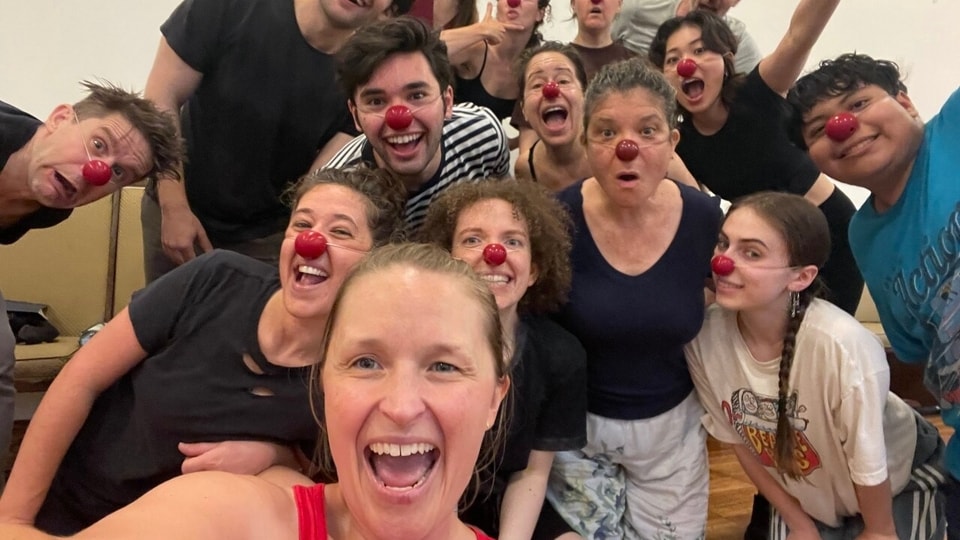
Clowning offers a cathartic escape, with its permission to get weird, fail spectacularly and stop taking yourself so seriously.
For months, the running joke at Philippe Gaulier’s famed clown school outside of Paris was that Jack Grossman was going to die alone.
Then, Grossman was paired with Zoe Wohlfeld and instructed to imitate boiling milk.
The pair dragged a white sheet onto the stage, climbed underneath and jumped up and down. Gaulier snorted, a rare sign of approval from the exacting clown instructor, who was known for his blunt critiques and caustic insults.
Not long after, Grossman and Wohlfeld began dating. Today, they produce and perform clown shows around the globe together.
Clowning, a method of actor training built around vulnerability, spontaneity and play, is opening a new world for a new generation.
No longer just the realm of circus performers with red roses and horror figures like Pennywise, it’s become an antidote for actors and others tired of rejection and the pressure to get everything right.
Wohlfeld was a Shakespearean theater actress. Grossman was a chemistry major at the University of California, Los Angeles who did stand-up comedy on the side. Neither expected to wind up at clown school.
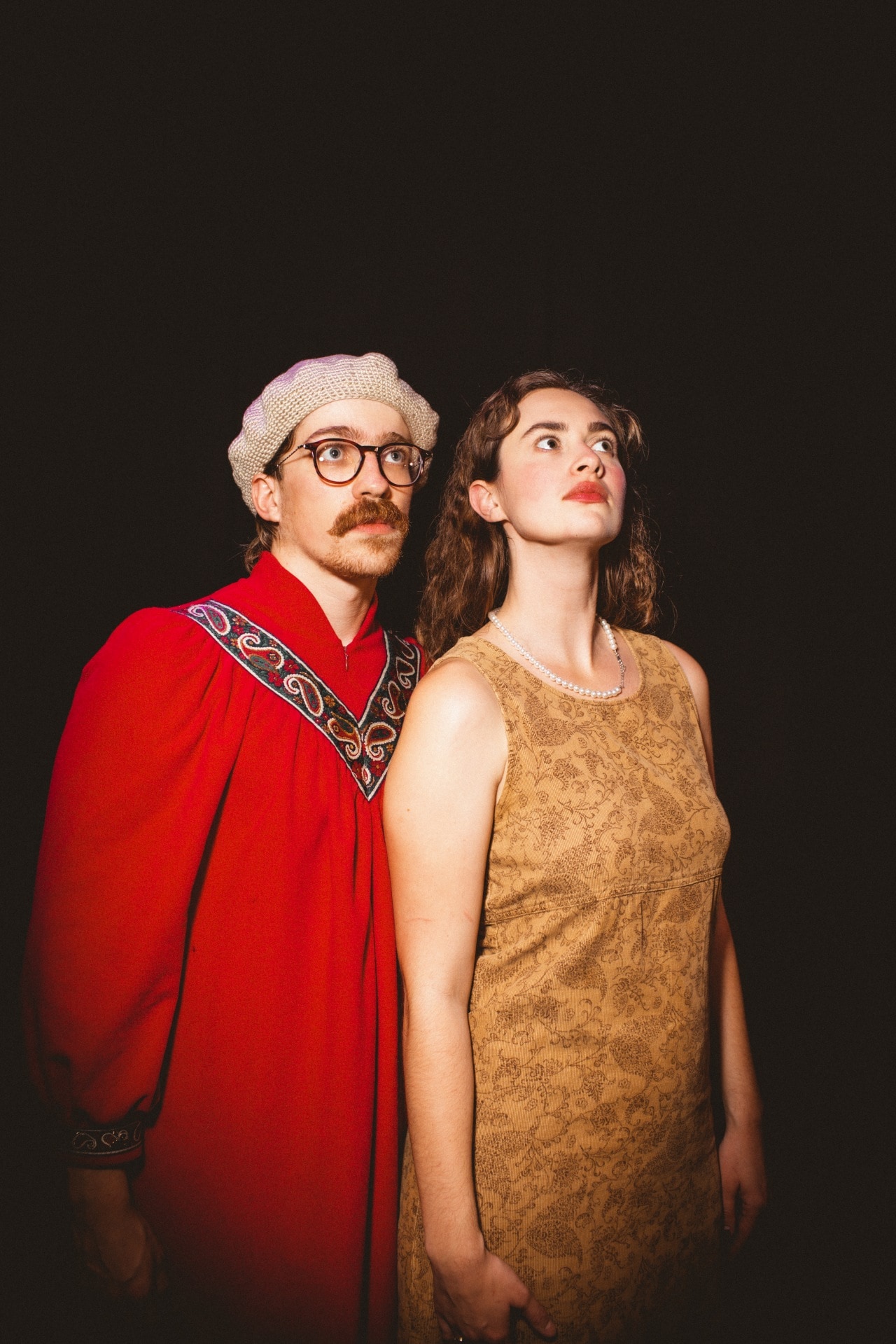
Frustrated by the rigidity of classical theater, Wohlfeld was searching for a different way to perform. Grossman realized he no longer wanted a career in science.
They abandoned their respective paths in 2022 and enrolled at Gaulier’s school, which operates under the philosophy that “theater is as serious as a children’s game.”
Clowning relies on direct engagement with an audience. Rather than disappearing into a character, performers respond to the room in real time, using physical comedy, improvisation and audience reaction to build out the show. It requires imagination and a willingness to fail big.
Gaulier, who died in February, taught students what wasn’t working rather than prescribing what to do. And like any good clown, he did it with exaggerated aplomb, vigorously pounding a small drum when he found a performance lacking. Students came to dread the sound.
“He was playing a character that was like a very crotchety old man who hated everything,” Grossman said. “And he played it very well.”
Exercises often pushed students into strange scenarios or premises: embodying an object, exploring a feeling or inhabiting a logic to find more instinctive, present performances. Most ended with the sound of Gaulier’s drum, but they offered important life lessons. Students learned to take criticism, embrace failure and return to the stage.
Kylie Rolincik, who attended one of the school’s summer programs, recalled one game in which the instructor chose songs for the students to lip sync. Rolincik was assigned a slow French ballad and was mortified when the instructor said she was doing too much.
“My ego was death rattling at that point.”

But what felt humiliating in the moment became liberating. “It’s almost like something dies and falls away,” she said, “and then you’re a little bit freer.”
Rolincik is now a communications specialist, but clowning is still a big part of her life. She works as a healthcare clown for Boston Children’s Hospital on the side and continues to live by the clowning code: be open-minded and take life with a spoonful of levity.
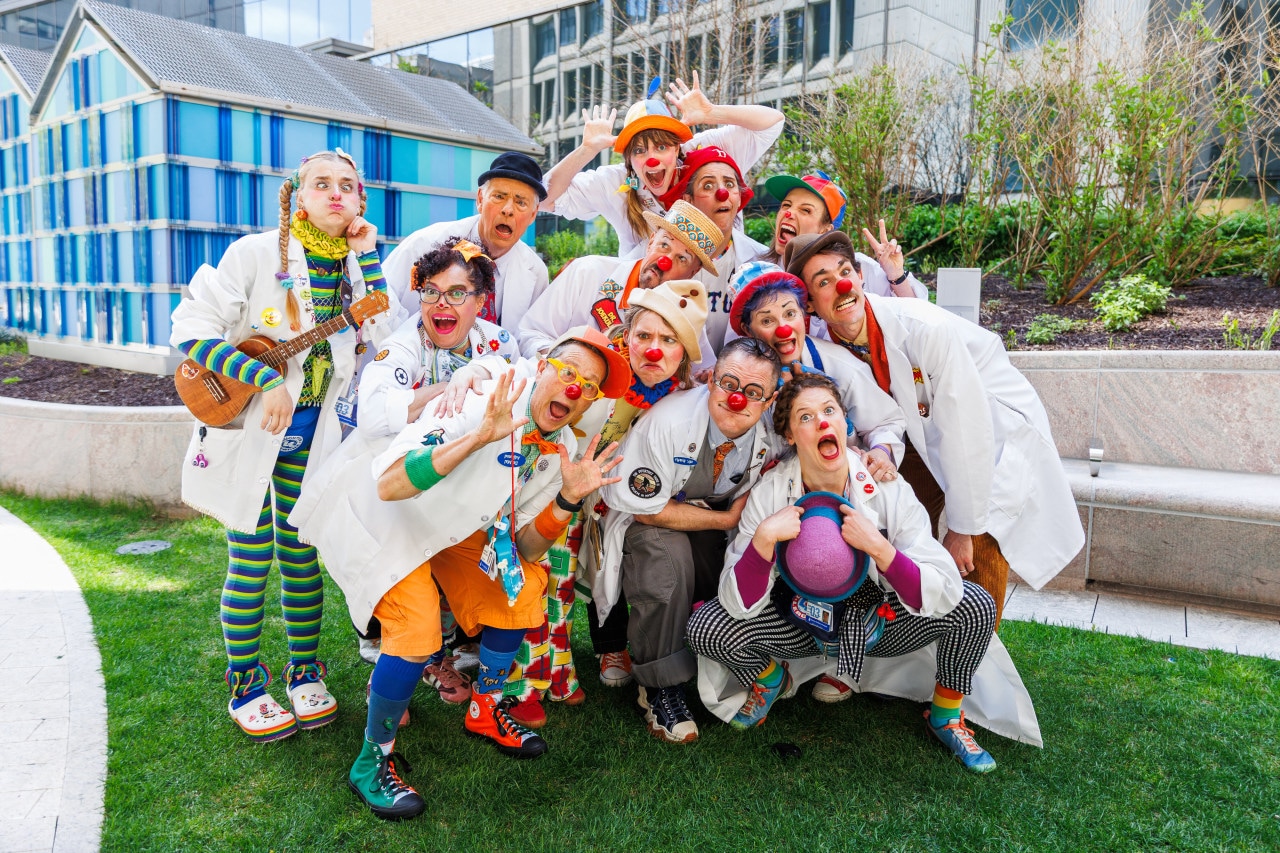
It’s not unusual for the art form, which requires an openness in participants, to lead to bigger life changes.
Lex Alston stumbled on clowning when required to take a physical education course at SUNY Purchase College. Traditional sports classes weren’t appealing, so Alston landed on circus clowning.
The physical performance felt more expansive than any of the roles they’d encountered in theater. Alston is now a professional circus clown.
When Julia Proctor was rejected from New York University’s Tisch Grad Acting program, the admissions officers told her they were looking for more impulsive, messier actors. Their advice: study clowning.
It changed the course of her career.
Proctor, who studied theater and political science in college, now teaches three classes on clowning at NYU and is the founder of Clown Gym, a New York City studio focused on all things physical comedy.
“Clown is so much about embracing failure and vulnerability and acknowledging that you don’t have control over your own life,” she said.
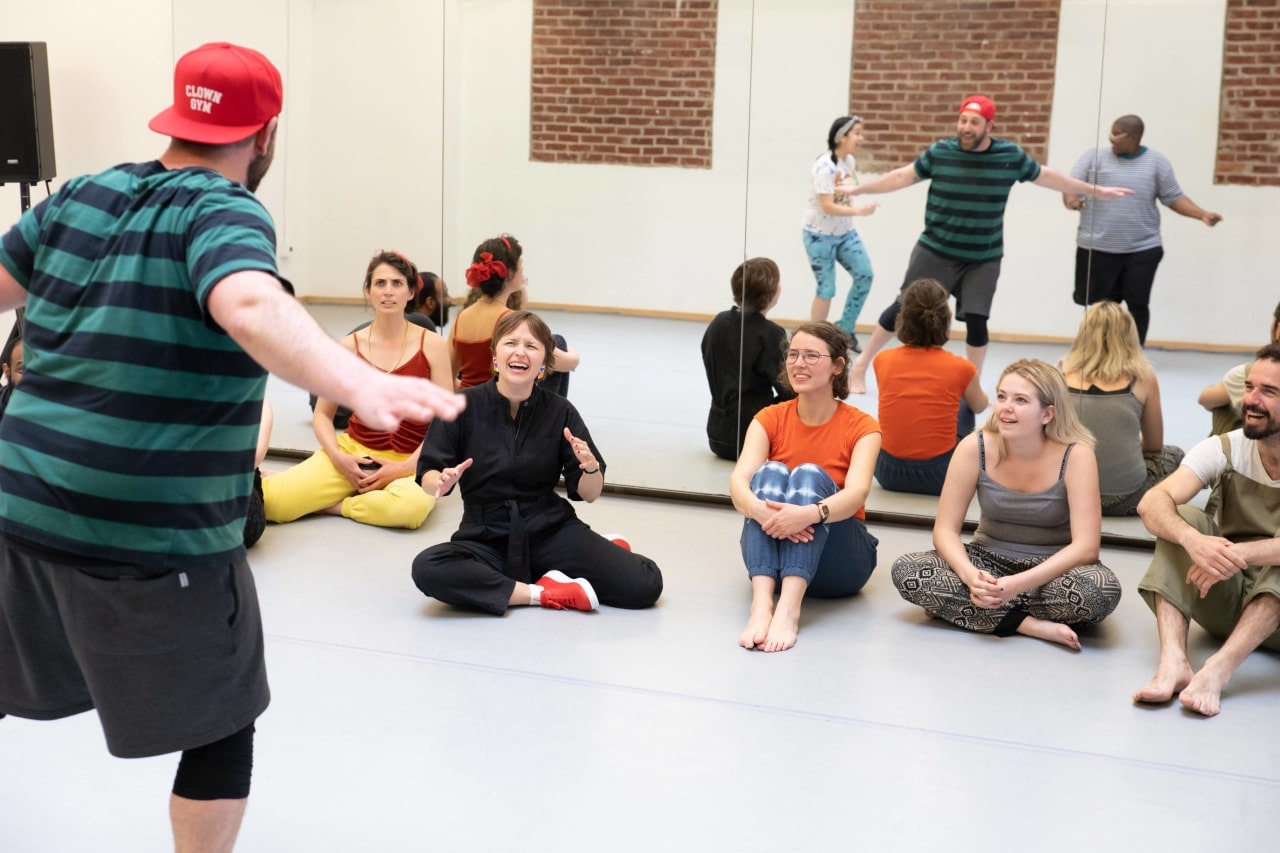
Everyone from corporate attorneys to therapists have taken Proctor’s classes, and the workshops sell out quickly. Therapists sometimes even recommend their patients take clowning.
But Yale drama professor Christopher Bayes has a word of warning for those expecting his clowning classes to function as a form of treatment. “It can be deeply therapeutic, but it’s not therapy. It’s not medicine,” he said.
Danielle Smith, a union leader, discovered clowning after falling down an internet rabbit hole. She gave Clown Gym a shot.
“I remember telling my friends I’m going to this basement in Midtown to learn clown and them be kind of like, ‘OK, yeah, that actually sounds like something you would do,’” she said.
The skills she developed in those classes—staying present, embracing vulnerability and reading a room—have carried into her workplace relationships. Clowning even has a line in her résumé.
“It feels so ridiculous and absurd, that you’re instantly interested and instantly have like lots of questions,” she said.
Her colleagues and friends say clowning perfectly aligns with Smith’s natural curiosity and playfulness. The one downside? They now have to think twice before using “clown” as a punchline or an insult.
Write to Grace Yoon at grace.yoon@wsj.com


