
 E-Paper



Lok Sabha election 2019: In Gujarat, Cong looks to better record, BJP to repeat 2014
The Congress failed to win any of the 26 seats in Gujarat, which was once its stronghold, in 2014 Lok Sabha election but had given a tough fight to the ruling BJP in the last assembly polls in the state.

 Prefer HTon Google


The Congress party will look to better its position in Gujarat, the home state of Prime Minister Narendra Modi and BJP president Amit Shah, in the Lok Sabha election 2019 after the recent success in the three Hindi heartland states.
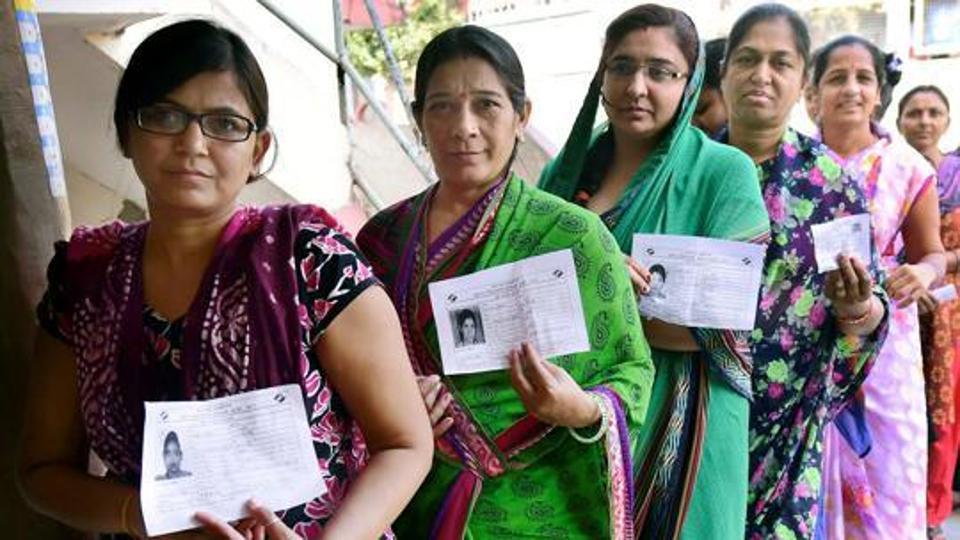
The party failed to win any of the 26 seats in Gujarat, which was once its stronghold, in 2014 Lok Sabha election but had given a tough fight to the ruling BJP in the last assembly polls in the state. It won 77 seats out of the 182 seats in the 2017 state polls, considerably improving its tally but missing the victory target by 15 seats.
READ: Who can vote, how to register as voter?
The ruling Bharatiya Janata Party has said it is confident of repeating its 2014 performance. It faces a number of issues in the western state including that of reservation to Patidars and rural distress among farmers.
The Lok Sabha elections will be held in 7 phases starting April 11. Counting of votes will take place on May 23.
Here’s all you need to know about Gujarat:
Polling dates: April 23
Date of counting: May 23
Ruling party: BJP
Number of Lok Sabha seats in the state: 26
Party wise break-up of the Lok Sabha seats: BJP 26, Congress 0, others 0
Number of voters in the state: 4.47 crore
Voter turnout in 2014: 62.4%
Number of assembly seats: 182
Party wise break-up of assembly seats: BJP 100, Congress 74, Independents 3, BTP 2, NCP 1, vacant 2. Unjha Congress MLA resigned and joined the BJP. Talala Congress MLA was disqualified after his conviction in an illegal mining case.
Key leaders across parties: Chief minister Vijay Rupani (BJP), deputy chief minister Nitin Patel (BJP), Union minister Purshottam Rupala (BJP), Leader of Opposition Paresh Dhanani (Congress), Shaktisinh Gohil (Congress) and Hardik Patel.
Key issues:
Farmers’ distress, which includes unavailability of insurance money, water, increasing rates of fertiliser
Reservation to the non-reserved category, castes


