
 E-Paper



Lucknow Metro: Stress-free, dignified travel for citizens
With an initial estimated daily footfall of 1,600 commuters, the metro is also likely to ease the congestion on Lucknow roads to some extent.

 Prefer HTon Google


Metro is expected to change the way people commute in the city of nawabs. From next month, commuters will get faster, dignified, affordable and a stress-free travel experience.
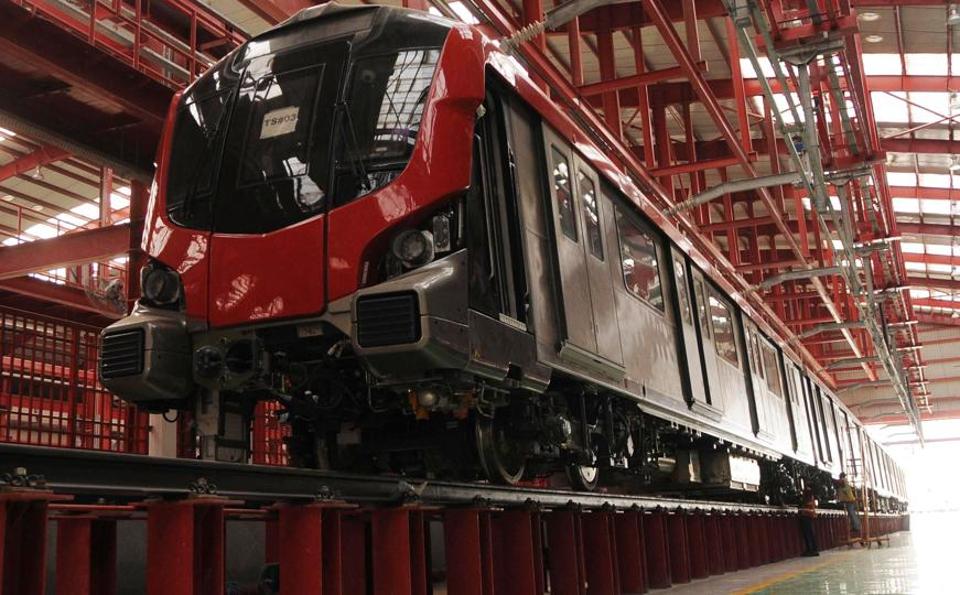
With an initial estimated daily footfall of 1,600 commuters, the metro is also likely to ease the congestion on Lucknow roads to some extent.
“We are hopeful that once people start using the metro, the traffic jams on the roads will reduce,” said municipal commissioner Udairaj Singh.
As Lucknow is among the more densely populated cities in Uttar Pradesh, traffic bottlenecks have become a commuter’s nightmare during peak hours. Stranded drivers not only face health hazards due to driving for long hours but are also likely to indulge in road rage.
This may also lead to travel phobia in extreme cases, says psychologist Dr Pallavi Bhatnagar. The number of vehicles on the roads is likely to decrease with the arrival of the metro. Metro will not only help daily commuters get rid of the stress caused due to several hours of driving, but will also make their journey comfortable. Be it winter, summer or rainy season, metro will make travel comfortable throughout the year, she adds.
As the metro will pass through Krishna Nagar, Transport Nagar, Alambagh, Mawaiyya and Charbagh, it will be a boon for residents who are often stranded due to waterlogging in the rainy season.
President of Alambagh Gurudwara Nirmal Singh says, “Commuting becomes a nightmare for residents in this area due to heavy waterlogging under Mawaiyya bridge every monsoon. The entire area gets cut off from the city. With the arrival of metro on this route, commuting should become easier for us.”
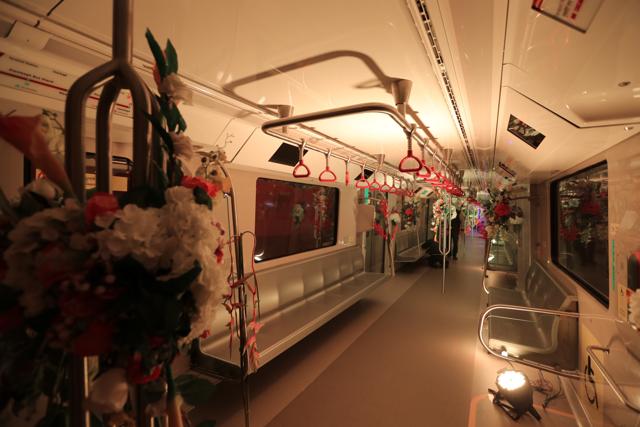
Safety of passengers, especially women, is a matter of concern as far as public transport is concerned. With CCTV on the platforms as well as inside the coaches, commuting is likely to become safer. Presence of CCTVs may also check commuters from spitting and littering on the stations and inside the coaches, hence keeping them clean.
Read more: Metromorphosis to unclog roads in Lucknow
With a frequency of five minutes during peak hours, availability of the train will also not be a problem.
Truly a modern symbol of commuting in the 21st century, the metro may soon leave behind Vikrams and auto-rickshaws and become a lifeline for the city. With facilities like wheelchairs for the disabled, it is likely to make commuting easier for everyone.


