
 E-Paper



Decoding the blue tea trend: Here’s everything you need to know

 Prefer HTon Google


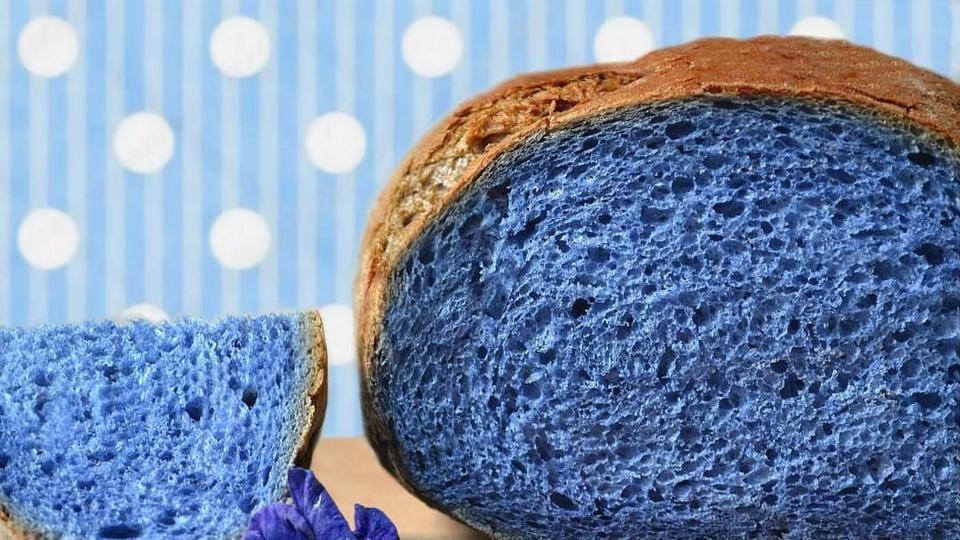
This brightly-coloured tea, made from butterfly pea flower, is becoming famous not only for its woody flavour, but also as an addition to creative dishes and concoctions, say experts.
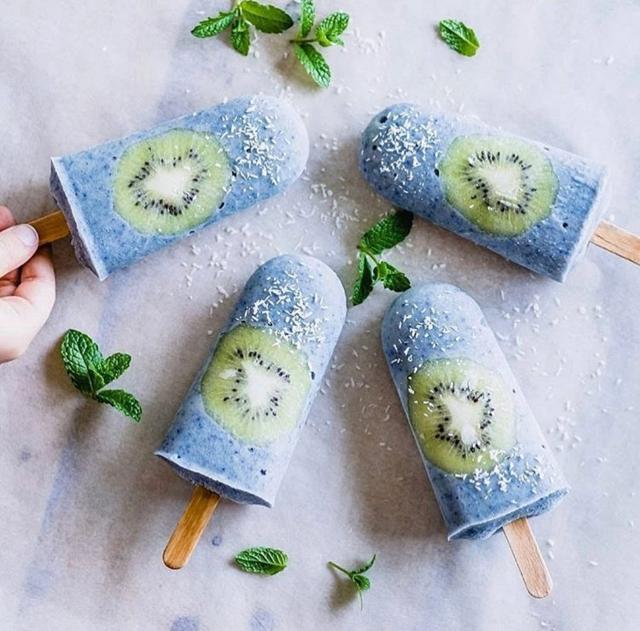
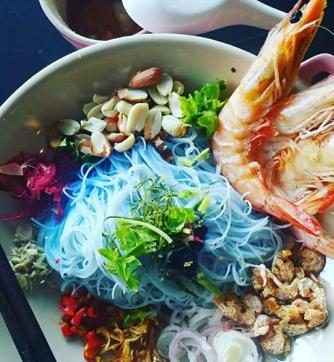
The latest trend among tea connoisseurs is blue tea. It has been gaining popularity among tea lovers, especially on Instagram. But, South East Asians have long been a fan of this variety of tea. It is made from butterfly pea flower, which is found in countries such as Thailand, Vietnam, Bali and Malaysia. However, it’s only now that Blue tea has found its way into the mainstream market, thanks to rapid increase in travel shows and food blogs. The tea is made by infusing dried butterfly pea flower (Clitoria Ternatea) into hot water. Once the flowers are steeped in hot water, they release the blue colour, hence the name blue tea. “The flower has to be dried with very low moisture content. It needs to be steeped properly in boiled water for getting the colour and essence”, says Chef Nishant Choubey. However, the tea can change its colour as per the additional substances. For example, if you add lemon juice, the colour of the tea will turn purple.“It has become incredibly popular in a short span of time, especially on social media. It’s colour is unique. No other flower, herb or fruit gives this kind of infusion”, says Vikram Mittal, tea expert, before adding, “In this age where presentation is everything, such is the visual appeal of the blue tea that it doesn’t matter how you serve it, it just looks gorgeous.”Butterfly pea flower extracts are also used to add colour to various dishes and cocktails. “Blue tea not only gives natural colour but also doesn’t leave any taste to the dish. Hence, the creation remains authentic. Most of the chefs around the world have become aware of this fact now. And that is why you see creative foods such as blue tea rice sushi roll, blue tea bread,” says Choubey.The flavour of the tea is similar yet not same as green tea. Its taste can be at best described as earthy and woody. Here’s a look at the various health benefits of blue tea:
Studies have shown that the blue pea flowers can assist with memory and brain function, as they help in increasing Acetylcholine (a neurotransmitter) that is important for communication in the brain.
Blue pea flowers contain antioxidants called proanthocyanidins that prevent and help to repair cellular damage, which occurs due to free radicals in the body.
The flowers are anti-glycation in nature, which prevents ageing of skin. They also contain flavonoids that
help in increase of
production of collagen, which is essential in maintaining skin elasticity.
As mentioned above, the blue flowers are rich in flavonoids, which have anti-inflammatory properties. Plus, they help in boosting immunity.


