
 E-Paper



The factory township that birthed an education hub
People need more than apartments: schools within reach, open playgrounds, trees, markets, clinics, wide roads, and more. Most importantly, you need a community

 Prefer HTon Google


In the 1980s, a small company shut down, and it led to millions of students leaving their homes after Class X in search of a better future. To know why, let’s go back to the 1960s. JK Synthetics, a subsidiary of the JK group, set up shop in a sleepy little hamlet of Rajasthan called Ladpura. A relatively small town on the banks of the River Chambal, it had something factories desperately needed: power. The Chambal valley projects generated enough hydro-power in those days. All was well.
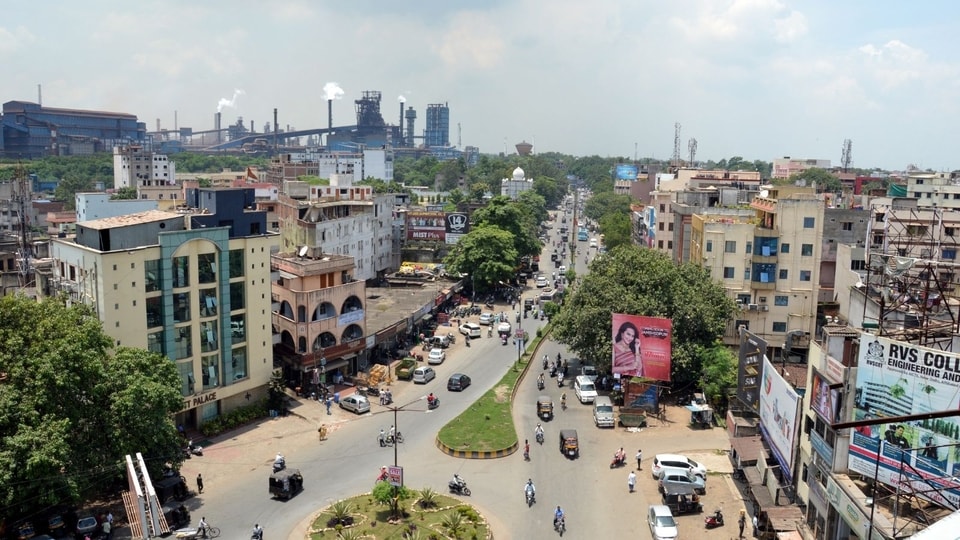
JK started with manufacturing nylon yarn and other synthetic fibres. Indian women had just discovered synthetic sarees at the time, shiny as silk, at much lower costs. Dhirubhai Ambani had just started a clothing brand called Vimal. JK had the all important licence to manufacture. It slowly became an employer of choice. So much so that locals would say, “A job at JK is better than a government job.” The company took good care of its employees — it created an excellent township in the middle of nowhere. The township was called JK Nagar.
JK Nagar followed the same philosophy as Tatanagar: To get families to stay in the middle of nowhere, you had to ensure the entire family’s needs could be fulfilled. Long distance parenting doesn’t survive long, and people eventually quit and return to wherever their families were.
JK Nagar had plush houses, great roads, manicured lawns, community halls, cinema, and schools. It was a neatly-cut slice of the West, served on the arid lands of Kota. Engineers came to Kota from across India. Many were graduates of the best engineering colleges in the country including the IITs. One of them was a guy named Vinod Kumar Bansal, a young graduate from IIT BHU, fairly settled in the township life. Bansal would play a much larger role later.
The employees had stability. Families lived close to each other. Engineers, managers, technicians and teachers became neighbours. The talent density was through the roof. People from all around the country, living together, harmoniously, learning each others’ languages.
Also Read | Madhya Pradesh to deploy over 100 guards, check posts to combat illegal sand mining at Chambal sanctuary
But all good things come to an end. JK Synthetics started running into trouble — no external forces, it was just some internal squabbling. Factories are funny that way. When they are doing well, it feels like they will run forever. An ecosystem develops around them. The local shops depend on the discretionary spends of the highly paid engineers. Schools depend on the rich pool of academic talent. Property prices go up every appraisal cycle. The whole town starts orbiting around one factory gate.
And then one day, the gate is shut. JK Synthetic finally downed its shutters in the early 1980s. Thousands of jobs were lost, bitter court battles ensued. Bansal faced similar adversity. Worse, he was bound to a wheelchair due to a medical issue. But he had a lifeline. Besides helping make JK high-quality nylon, he was great at mathematics.
Also Read | Uttarakhand clears ₹190 crore for power, roads and police infrastructure
He started teaching — no grand plans, just 10 students and him around his dining table in JK Nagar. His students started doing well. Word spread. What began as small-scale tutoring slowly became Bansal Classes. And the rest as they say is history, eventually creating a ₹3000-crore industry.
The city already had thousands of technically educated families. It had a culture where mathematics, engineering, and technical education were considered valuable. The physical infrastructure had been built for an industrial town. The human infrastructure eventually helped create an education city. It all started when a company was just looking for cheap hydro power.
Company townships have produced some of the best human capital in this country. They understood something very basic about urban planning. People need more than apartments: schools within reach, open playgrounds, trees, markets, clinics, wide roads, places where children can cycle without their parents being anxiety-ridden, and a set of people similarly educated, with similar aspirations. Most importantly, you need a community.
Also Read | UP approves ₹943 crore for Harnandipuram township in Ghaziabad
Many of these townships were built in the 1960s and 1970s. And somehow, 50 years later, we are still building urban neighbourhoods where you get a ₹2-crore apartment but have to drive 40 minutes to find a decent playground.
These company towns were effectively run by private-sector babus. Yet many ended up with better roads, landscaping, schools, sports facilities and civic infrastructure than cities run by armies of government officers.
Sometimes, the most successful urban planning experiment isn’t designed to create a great city. It is built to manufacture nylon. And 50 years later, it ends up helping manufacture IITians.


