

 E-Paper


Photos: Gem hunters exploit Myanmar law change in ruby rush
Myanmar's ruby industry surged in the mid-90s when the former military junta first allowed in private companies in a partnership that brought the state mining firm more industrial methods. But western sanctions since have hit the industry hard. A recent law change, aimed at reining in big companies digging hundreds of metres deep, now means that many of those licences have not been renewed, and the former diggings have been invaded by artisanal miners in a rush to make a quick fortune while the loophole lasts.
1 / 12
 View Photos in a new improved layout
Updated on May 26, 2019 12:48 pm IST
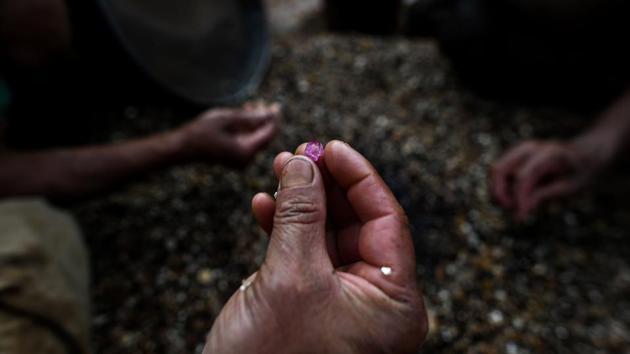
A miner collects rubies and other gemstones in a ruby mine in Mogok, north of Mandalay. Burrowing deep underground, thousands of informal miners risk their lives to find gleaming red gems as a law change spurs opportunity in Myanmar’s “land of rubies”. (Ye Aung Thu / AFP)
2 / 12
 View Photos in a new improved layout
Updated on May 26, 2019 12:48 pm IST
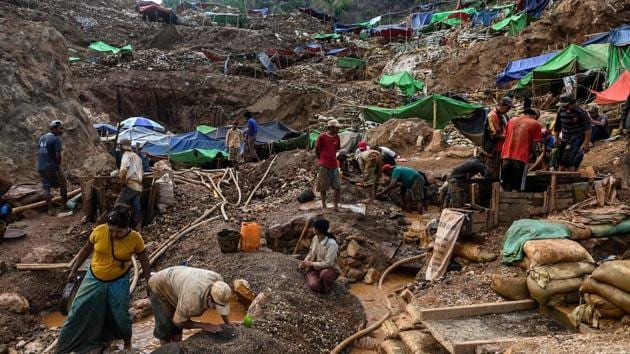
A view above ground at a ruby mine in Mogok. Emperors, kings and warlords have long fought over the valley of Mogok in Mandalay region, where the unique “pigeon-blood” stones lie hidden. The Mogok rubies are the most expensive in the world, with the highest-quality jewels fetching multi-million dollar prices in an industry notoriously bereft of regulation. (Ye Aung Thu / AFP)
3 / 12
 View Photos in a new improved layout
Updated on May 26, 2019 12:48 pm IST
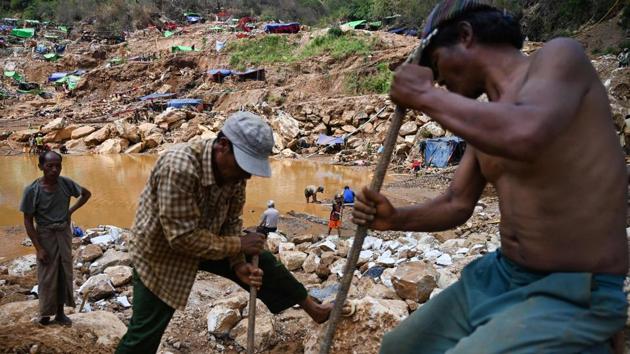
For years, private companies were permitted to mine in a joint venture with state-owned Myanmar Gems Enterprise. But a recent law change -- aimed at reining in big companies digging hundreds of metres deep -- means many licences have not been renewed, and the former diggings have been invaded by artisanal miners. (Ye Aung Thu / AFP)
4 / 12
 View Photos in a new improved layout
Updated on May 26, 2019 12:48 pm IST
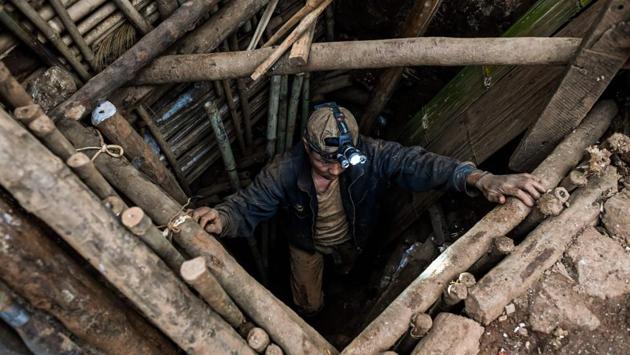
With no security protecting the sites, locals -- many former employees of the mining companies and long marginalised in the trade -- have rushed in to stake a claim. Now the openings of makeshift shafts, some just metres apart, pepper crowded sites, with teams working around the clock to bring up buckets of soil from depths of 30 metres (100 feet). (Ye Aung Thu / AFP)
5 / 12
 View Photos in a new improved layout
Updated on May 26, 2019 12:48 pm IST
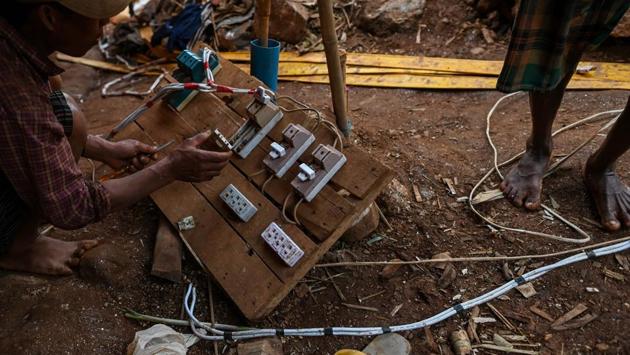
A worker installs electricity supply in a ruby mine in Mogok. The holes lead down into a maze of bamboo-supported tunnels just wide enough for the men to inch along on their bellies, while long tubes feed oxygen into the shafts and generators bring electricity. (Ye Aung Thu / AFP)
6 / 12
 View Photos in a new improved layout
Updated on May 26, 2019 12:48 pm IST
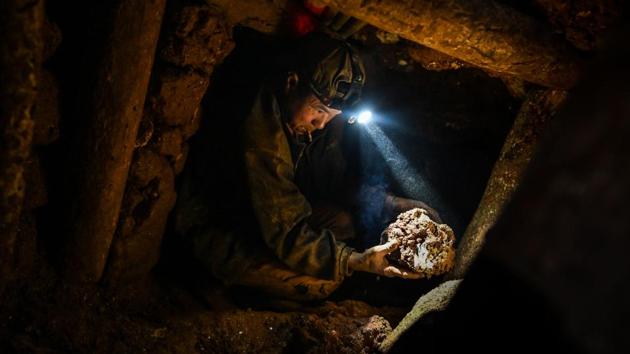
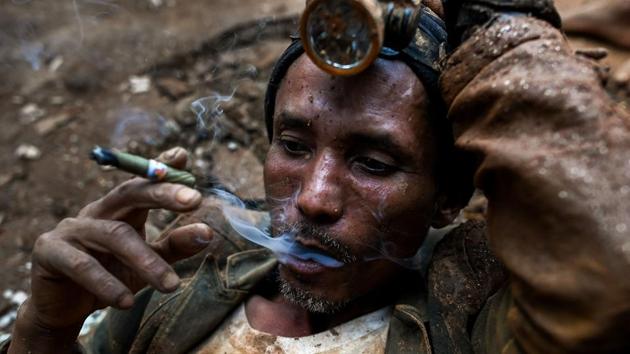
“Sometimes you hit another tunnel when you’re digging underground,” one miner, asking not to be named, covered in mud and kitted out with head torch and walkie-talkie. Tunnel collapses are a constant threat in this scramble for riches, and the start of the rainy season only ups the risk. (Ye Aung Thu / AFP)
7 / 12
 View Photos in a new improved layout
Updated on May 26, 2019 12:48 pm IST
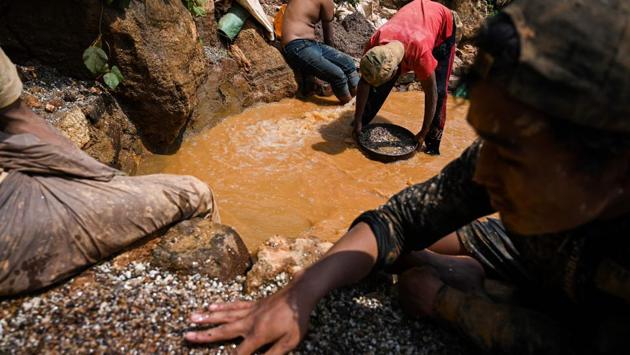
Team members haul buckets to muddy pools to clean away dirt, before sifting through piles of pebbles for a telltale red glint or other gemstones. Police have started patrolling some sites, sparking fears among hopeful prospectors that they will soon start cracking down on the operations. (Ye Aung Thu / AFP)
8 / 12
 View Photos in a new improved layout
Updated on May 26, 2019 12:48 pm IST
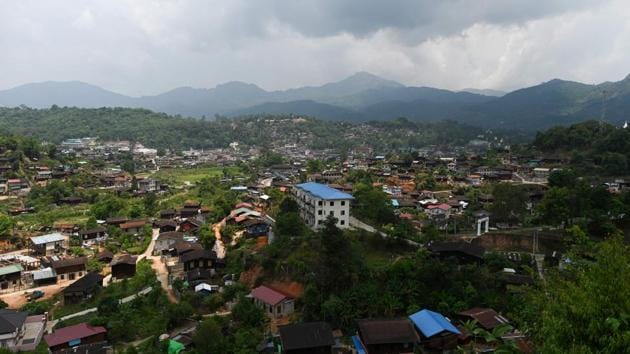
A general view of Mogok town. Myanmar’s ruby industry surged in the mid-90s when the former military junta first allowed in private companies that brought with them more industrial methods. But western sanctions hit hard. In 2008 the US closed a loophole that had allowed imports of gems from Myanmar -- despite 2003 sanctions on the industry -- in a bid to starve the junta of funds. (Ye Aung Thu / AFP)
9 / 12
 View Photos in a new improved layout
Updated on May 26, 2019 12:48 pm IST
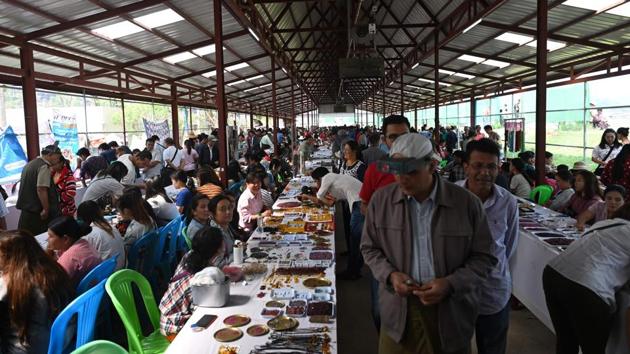
Sellers trade with buyers at the gems market in Mogok town. Specific sanctions were lifted after Aung San Suu Kyi’s government came to power in 2016. The industry remains tainted with a “reputation for corruption, conflict and deep connections to military-linked figures and armed groups”, says Paul Donowitz, of the watchdog Global Witness. (Ye Aung Thu / AFP)
10 / 12
 View Photos in a new improved layout
Updated on May 26, 2019 12:48 pm IST
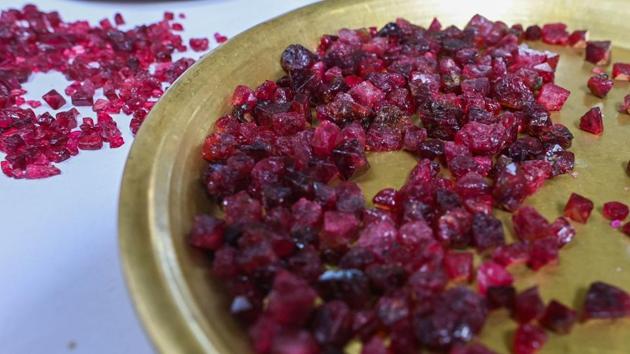
Rough rubies displayed at the gems market. High-value rubies are often smuggled over the border into Thailand or China to be sold directly to private buyers or made into jewellery. Many of the remainder end up at Mogok’s market, where dealers using torches and magnifying glasses scrutinise small mounds of the gemstones. (Ye Aung Thu / AFP)
11 / 12
 View Photos in a new improved layout
Updated on May 26, 2019 12:48 pm IST
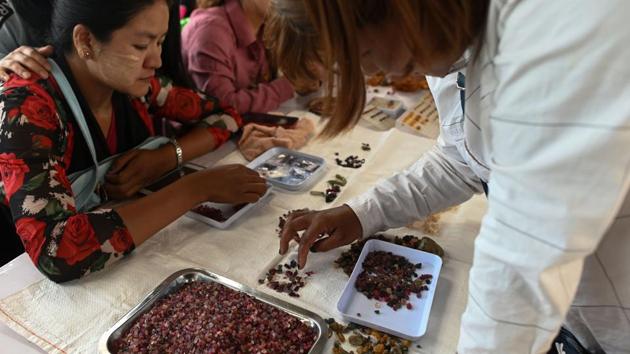
A buyer inspects rubies at the gems market. Merchants say the boom times are in the past. “We only see low-quality gemstones these days,” said one shop owner, who has been in the business for 25 years. (Ye Aung Thu / AFP)
12 / 12
 View Photos in a new improved layout
Updated on May 26, 2019 12:48 pm IST