
 E-Paper



Photos: Turkey’s whirling dervishes perform for Rumi
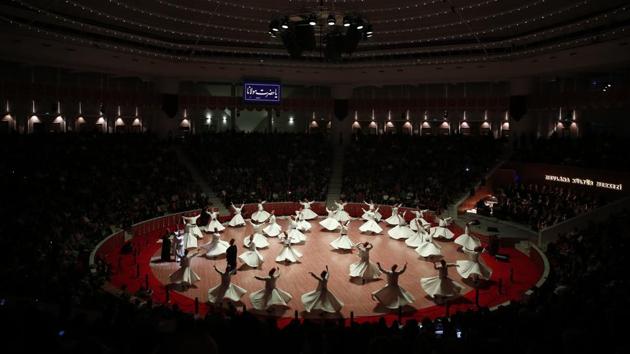
Every December, thousands of people make a pilgrimage to the central Turkish city of Konya for 10 days of ceremonies and events commemorating the death of the 13th-century Islamic scholar, poet and Sufi mystic Jalaladdin Rumi. Among the most visually stunning of these is a mesmerizing ceremony by the whirling dervishes entering a state of trace in remembrance of their Sufi master Rumi. An annual highlight is the ‘Sema’ performance in Konya that draws pilgrims and tourists from far and wide.
Updated on: Dec 26, 2018 1:11 PM IST


Share via


Copy link

1/8
 View Photos in a new improved layout
Updated on Dec 26, 2018 1:11 PM
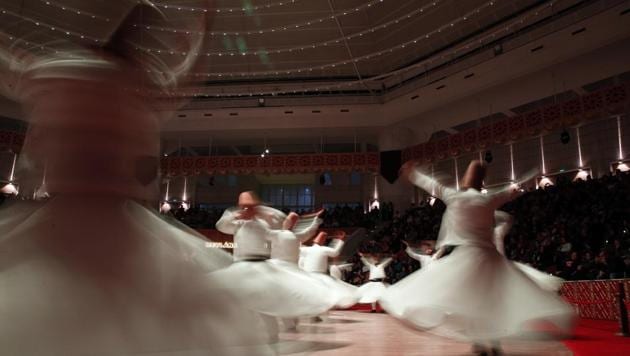
Whirling dervishes of the Mevlevi order perform during a Sheb-i Arus ceremony in Konya, central Turkey. Every December, the Anatolian city hosts a series of events to commemorate the death of 13th century Islamic scholar, poet and Sufi mystic Jalaladdin Rumi. (Lefteris Pitarakis / AP Photo)
2/8
 View Photos in a new improved layout
Updated on Dec 26, 2018 1:11 PM
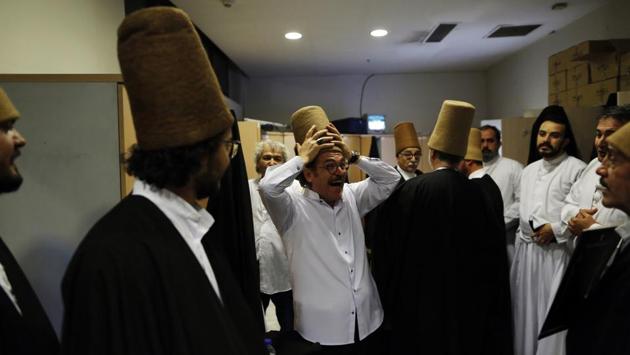
Prior to the Sheb-i Arus ceremony, whirling dervishes enjoy a light moment in the locker room as they gear up for the performance. Most dervishes are men. Some Sufi lodges, however, began to allow women to join in the early 2000s. (Lefteris Pitarakis / AP Photo)
3/8
 View Photos in a new improved layout
Updated on Dec 26, 2018 1:11 PM
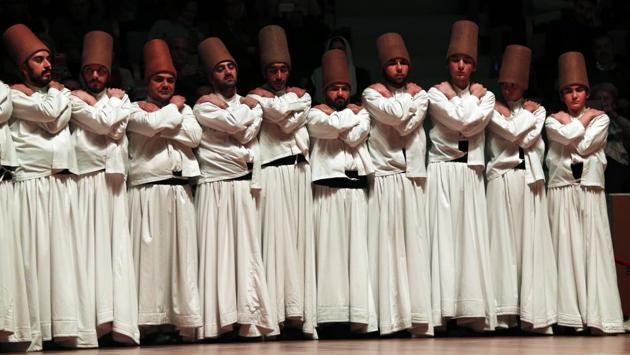
Whirling dervishes prepare for the Sheb-i Arus ceremony. Rumi, also known as Mevlana, was born in Persia but settled in Konya, where he died and was buried 745 years ago. His death brought the establishment of the Mevlevi order of Sufism, the mystical form of Islam. (Lefteris Pitarakis / AP Photo)
4/8
 View Photos in a new improved layout
Updated on Dec 26, 2018 1:11 PM
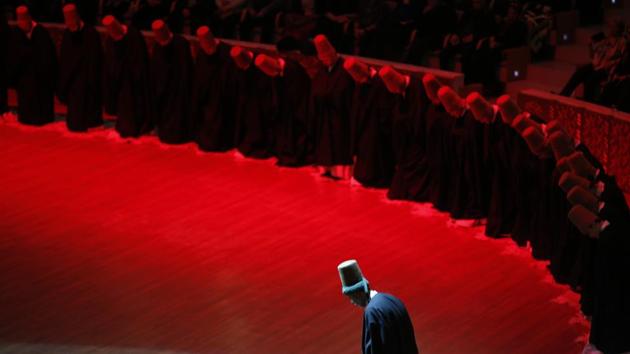
Whirling dervishes bow at the start of a Sheb-i Arus ceremony. The dervishes, who are followers of Rumi, mark the anniversary of his December 17 passing — known as “Sheb-i Arus” or night of the union — as a celebration of his reunion with the Divine. Rumi himself believed death was a moment for rejoicing in the union with God. (Lefteris Pitarakis / AP Photo)
5/8
 View Photos in a new improved layout
Updated on Dec 26, 2018 1:11 PM
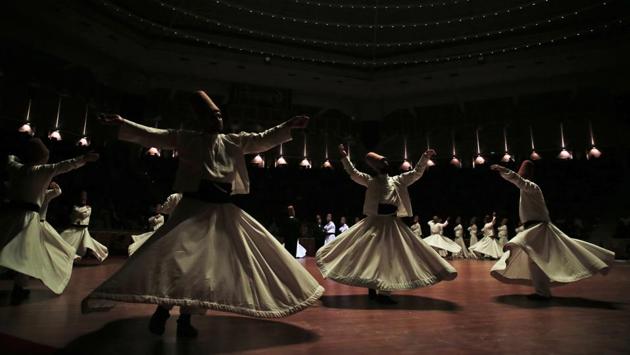
With one hand pointed toward the sky — or heaven and God — and the other toward the ground — or earth — the dervishes perform their dance, known as the Sema. They spin repetitively in prayer, chanting and gaining in speed, as they seek to lose themselves in a spiritual trance that they believe unites them with God. (Lefteris Pitarakis / AP Photo)
6/8
 View Photos in a new improved layout
Updated on Dec 26, 2018 1:11 PM
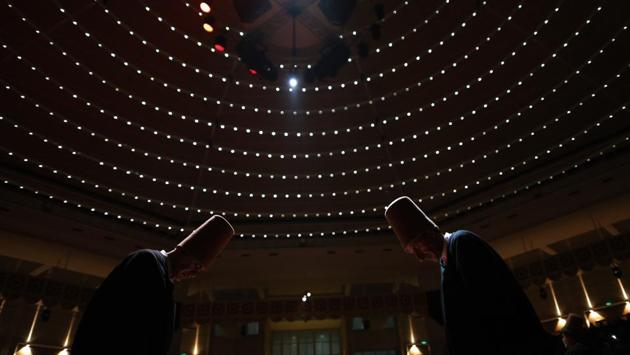
Whirling dervishes bow during a Sheb-i Arus ceremony. The dervishes wear long, conical headgear that symbolizes the tombstone. Their white, floating robes symbolize the shroud. (Lefteris Pitarakis / AP Photo)
7/8
 View Photos in a new improved layout
Updated on Dec 26, 2018 1:11 PM
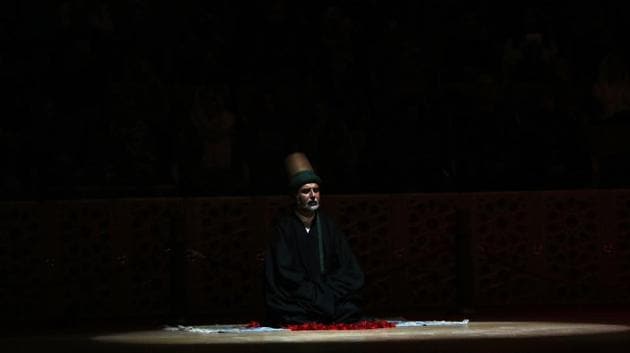
A sheikh of the Mevlevi order of whirling dervishes offers his prayers during the ceremony. Although Turkey had banned religious orders in the early 1920s, the dervishes were largely tolerated and became the symbol for Turkey’s tourism campaigns. (Lefteris Pitarakis / AP Photo)
8/8
 View Photos in a new improved layout
Updated on Dec 26, 2018 1:11 PM


