
 E-Paper



How Gen Z is redefining the modern workplace with flexible spaces, wellness and better food choices
An expert explains how Gen Z is reshaping modern workplaces through flexible spaces, employee wellbeing, collaborative areas and healthier dining options.

 Prefer HTon Google


From thoughtfully designed breakout spaces and work cafés to healthier workplace meals and diverse dining options, organisations are rethinking the everyday office experience. The focus is gradually moving beyond conventional workstations and office aesthetics towards creating environments that cater to different working styles, personal preferences and employee needs.
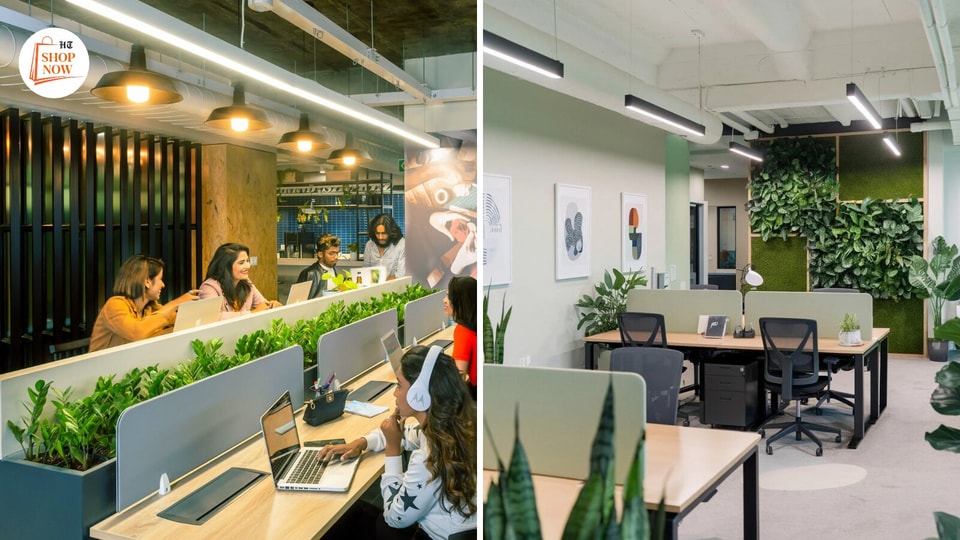

Manish Khedia, Regional Managing Director at The Executive Centre, believes Gen Z is bringing about a fundamental change in how organisations approach office design. "Gen Z is leading to a complete paradigm shift in terms of rethinking the role of the modern office. It is not about making the office aesthetically pleasing anymore; it is about designing spaces that accommodate the differences in the way people think, work, relax, and perform during the course of their day at work," he says.
Flexible workspaces are becoming central to office design
One of the biggest changes in modern office design is the move away from a uniform workspace towards activity-based environments. Instead of expecting employees to work from the same desk throughout the day, organisations are increasingly considering spaces that support different activities. These include private areas for focused work, flexible spaces for team discussions, casual lounges and work cafés where employees can work in a more relaxed setting. Natural daylight, biophilic elements and residential-inspired interiors are also becoming important considerations in making offices more comfortable and inviting.
Khedia explains that each area should serve a distinct purpose while contributing to the overall workplace experience. This approach allows employees to choose an environment that suits their immediate requirements, whether they need uninterrupted concentration or an opportunity to collaborate with colleagues.
Breakout spaces are encouraging workplace interactions
Beyond individual productivity, the modern office is also being designed to encourage social connections. Breakout areas, informal lounges and common spaces are becoming important parts of workplace planning, offering employees opportunities to step away from their desks. These spaces allow colleagues to interact spontaneously, take breaks and build relationships. Such everyday interactions can also influence how employees perceive their workplace culture and sense of belonging.
According to Khedia, the office of the future will need to bring together flexibility and community. Organisations will have to consider not just how efficiently their office accommodates work, but also how it makes employees feel and whether it gives them a reason to come together in person.
Workplace dining is becoming part of the employee experience
The changing expectations of Gen Z are also influencing workplace dining. Food is being viewed as an important part of employee wellbeing and everyday office life rather than simply a service available during lunch breaks. Nitin Trikha, CEO, Integrated Facility Management and Food & Hospitality Services at Bluspring Enterprises, points out that younger employees expect greater choice, nourishment and opportunities to connect with colleagues through their workplace experience.
"For Gen Z, this means expecting more from the workplace, including greater choice, a stronger focus on wellbeing and opportunities to connect with colleagues. Food plays an important role in meeting these expectations, from offering meals that provide comfort and nourishment to creating a more engaging and fulfilling workplace experience," he says.
Variety and nutrition are shaping corporate food services
For workplace food service providers, the challenge is to offer variety without compromising on food quality, consistency and safety. Menus need to accommodate different preferences while making nutritious meals accessible and convenient for employees. Trikha explains that Bluspring's corporate dining philosophy, Navya, brings together nutrition, convenience, variety and vibrancy. The approach includes rotating menus on a 30-day cycle, live food counters and café-style formats to make workplace dining more varied and engaging. With Bluspring serving over four lakh meals daily, Trikha highlights the importance of combining culinary creativity with operational efficiency. Consistent food quality, food safety and courteous service remain essential to ensuring a positive dining experience at scale.
The future office will focus on wellbeing and community
As Gen Z continues to influence workplace expectations, organisations may need to rethink the traditional approach to office design layout. Flexibility, employee wellbeing, social interaction and everyday convenience are becoming important considerations in creating a workplace that people want to be part of.
Whether it is a quiet corner for focused work, a lounge for informal conversations or a dining space that offers nutritious and varied meals, every aspect contributes to the overall employee experience. Ultimately, the modern office is moving beyond being a place where employees simply report to work. It is becoming an environment designed to support how people work, interact, eat and feel throughout their day.
Frequently Asked Questions

At Hindustan Times, we help you stay up-to-date with the latest trends and products. Hindustan Times has an affiliate partnership, so we may get a part of the revenue when you make a purchase. We shall not be liable for any claim under applicable laws, including but not limited to the Consumer Protection Act, 2019, with respect to the products. The products listed in this article are in no particular order of priority.


