
 E-Paper


Shantanu Srivastava is an experienced sports journalist who has worked across print and digital media. He covers cricket and Olympic sports.
Talent identification, better systems key to Indian tennis revival: Ramesh Krishnan
The former tennis ace emphasised on the need for structural reforms in Indian tennis.
Published on: Nov 27, 2026, 15:58:37 IST


Share via
Copy link
Two months back, when the 12-member Indian tennis team returned empty-handed from the Asian Games for the first time in 40 years, it expectedly sent a wave of dejection among Indian sports fans.
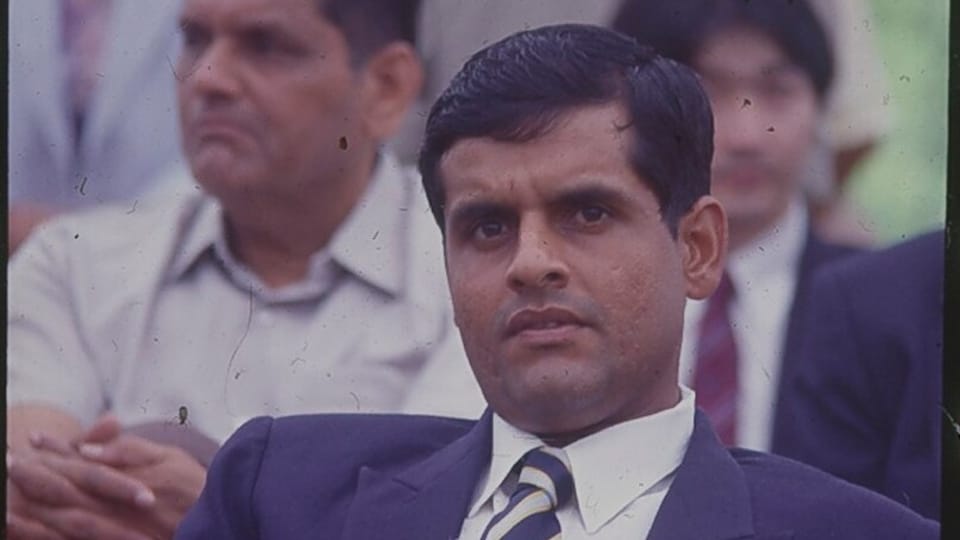
But if one has been following Indian tennis for a decent duration, the disappointment in Aichi-Nagoya seemed pre-ordained. For a few years now, Indian singles players — men and women — have made negligible impression at the international stage and the talent pipeline seems to have dried up completely. The retirement of veteran doubles specialists Rohan Bopanna and Sania Mirza means even the doubles field is on a shaky ground.
The best ranked Indian men's player, Sumit Nagal, sits at 253rd spot as per the latest ATP rankings while Vaishnavi Adkar at 334 is the highest-ranked Indian woman on the WTA. The crisis, the great Ramesh Krishnan believes, is structural and reset demands a systemic overhaul.
"Indian tennis is going through a very low phase; there are no two ways about it. These are very disappointing times," he said on the sidelines of the 75th anniversary celebration of International Lawn Tennis Club of India in Delhi Gymkhana.
"Hopefully we've seen the worst and we will come up again. If you look at over a period of time, every sporting nation goes through ups and downs. I'm hoping that good days return in the near future. There are some individual players who are doing well, but it has to be a concerted effort. It can't be just one one-off events here and there," Ramesh, whose career highlights include quarter-finals at Wimbledon (1986) and the US Open (1981 and 1987), added.
The former tennis ace emphasised on the need for structural reforms in Indian tennis. Better talent spotting, enhanced grassroots facilities, and backing the right players, he said, will eventually turn things around.
"Firstly, you have to accept that we are going through a bad phase. But times like these also give you an opportunity to step back and take stock. We have to build Indian tennis from ground up. The groundwork needs to start now," he said.
India not winning a tennis medal at the Asian Games didn't surprise Ramesh who met the query with an all-knowing smile.
"Well, you have to realise that other countries are taking tennis a lot more seriously even as Indian tennis is finding it tough. After the fall of the Soviet Union, there are a lot more countries in Asia who are very good at tennis. Also, Far East countries like Thailand and Japan and Korea are doing very well. We'll have to face facts and then take it from there," he said.
Ramesh also urged the All India Tennis Association (AITA) to get its house in order and focus on grooming youngsters.
"You (AITA) need to organise yourself. You need to make sure that more children are playing. And once they're playing, they're funded. Somebody has to get to the nitty-gritty of things. You need good organisation. More than technical or temperamental issues with our players, it's a question of giving opportunities to the right group of people. You need to identify them young enough, make sure that they do the right things," he added.
Ramesh also rued the lack of depth in singles and advised to follow the example of Australia in nurturing talent.
"I come from a different time. When I played, we had the years where 3-4 of us played at major events. That has slowly dried up. There seems to be a clear lack of depth. Ultimately, it's a question of organising ourselves. There's no better example than Australia when you look at it," he said.
"They're one of the powerhouses of tennis, but they've had their struggles and they slowly found their feet again. AITA must know what is at stake and know what kind of history we have. People who are in positions of power should try and put their best foot forward."
ABOUT THE AUTHOR

Stay updated with the latest sports news, including latest headlines and updates from the Olympics 2024, where Indian athletes will compete for glory in Paris. Catch all the action from tennis Grand Slam tournaments, follow your favourite football teams and players with the latest match results, and get the latest on international hockey tournaments and series.


