
 E-Paper



90-min ultimatum, tense calls, wellness retreat: How White House and Amazon got Anthropic to disable its top AI model
Soon after the calls ended, the Trump administration moved ahead with export controls targeting the Fable 5 and Mythos 5 models.

 Prefer HTon Google


Anthropic's decision to abruptly disable two of its most advanced AI models just days after their launch was unprecedented, especially as it came in response to a US government order restricting access to Americans only.
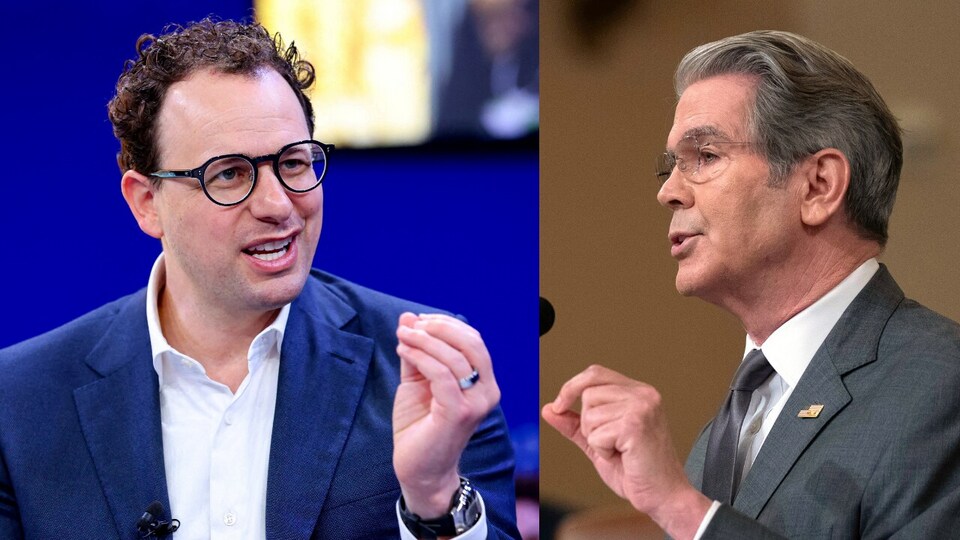
But according to a report by Politico, the White House spent much of Friday trying to persuade Anthropic to voluntarily withdraw its recently launched AI model, Fable, as US officials feared that its safety guardrails could be bypassed in ways that posed national security risks.
The effort ultimately failed, leading the administration to impose export controls that effectively disabled the company’s Fable 5 and Mythos 5 models only days after their public release.
1. Amazon flagged concern
Anthropic had launched the new models with assurances that they were safe and protected by robust safeguards. However, according to the report, senior administration officials soon began questioning whether those protections were as strong as the company had claimed.
The concerns escalated on Thursday when Amazon chief executive Andy Jassy reportedly flagged issues related to bypassing the model’s guardrails.
Amazon is a major investor in Anthropic and was responding to a request from the administration for feedback, according to a person familiar with the discussions cited in the report.
The Politico reported that within 24-hour the issue had reached the highest levels of the White House.
US treasury secretary Scott Bessent, White House cyber director Sean Cairncross, White House chief of staff Susie Wiles and other senior officials met to discuss the model and determine the administration’s response.
Also Read | 'This is big': Anthropic disables Mythos, Fable models over US govt's foreign access ban
After the meeting, officials attempted to contact Anthropic chief executive Dario Amodei. According to administration officials cited in the report, they were initially told he was unavailable because “he was attending a wellness retreat.”
Anthropic strongly disputed that account. A spokesperson for the company said, “this is absolutely false,” the report added.
A person close to Anthropic told Politico that Amodei was first contacted around noon and joined discussions with senior administration officials within about an hour and 15 minutes. During the period he was unavailable, the company had offered other senior executives as alternatives, the person said.
2. Three calls and one disagreement
Once contact was established, Amodei participated in three calls involving several senior administration officials, including Bessent, Cairncross and commerce secretary Howard Lutnick.
During those conversations, Amodei reportedly argued that the administration's concerns stemmed from a misunderstanding of the issue.
According to the report, the Anthropic CEO argued that it was different from a broader “jailbreak” that would allow users to operate the system without any of Anthropic’s safety restrictions.
Also Read | What Claude's Fable 5 withdrawal could mean & Anthropic's long feud with Trump govt
Even after the export controls were imposed, Anthropic publicly defended its technology. In a statement, the company said that “no testers have yet been able to find a universal jailbreak – a jailbreak method that can very broadly bypass the model’s safeguards, unblocking a wide range of cyber capabilities.”
The company also acknowledged that eliminating all jailbreak attempts remains impossible across the AI industry.
Anthropic further argued that its protections were highly restrictive, saying its systems “are so strong that many users have complained that they are overly broad.”
3. White House remained unconvinced
The administration, however, was not persuaded by those explanations.
According to an unnamed White House official cited by Politico, findings supplied by Amazon were reviewed with the National Security Agency, which believed there was sufficient evidence of a serious vulnerability.
Soon after the calls ended, the Trump administration moved ahead with export controls targeting the Fable 5 and Mythos 5 models.
“Export controls were a last resort after begging them for hours to work with us,” a senior White House official told Politico. “This was not something we wanted to do, but our hands were tied.”
Anthropic later said the order, issued under national security authorities, prohibited use of the models by foreign nationals. The company added that the “net effect” was to “abruptly disable” the systems for all users in order to comply with the restrictions.
4. ‘90 minutes’ ultimatum
One person familiar with the company’s position told the media outlet that Anthropic was never meaningfully given the opportunity to collaborate before the restrictions were imposed.
“The White House gave 90 minutes to take the models down, with no details on the actual threat,” the person said. “There was never any begging — or asking — for them to work with us, just a declared 90 minute deadline.”
This is not the first time that Anthropic and White House came head on, earlier in February, the US department of defense designated Anthropic a "supply chain risk" after the AI firm refused Pentagon demands to drop safety guardrails restricting the use of its technology for autonomous weapons and mass domestic surveillance.


