
 E-Paper



Brazil armed forces' report on presidential election finds no fraud
Brazil Elections: It was the first comment by the military on the runoff election, which has drawn protests nationwide.


The defence ministry released a report Wednesday highlighting flaws in Brazil's electoral systems and proposing improvements, but there was nothing to substantiate claims of fraud from some of President Jair Bolsonaro's supporters protesting his Oct. 30 defeat.
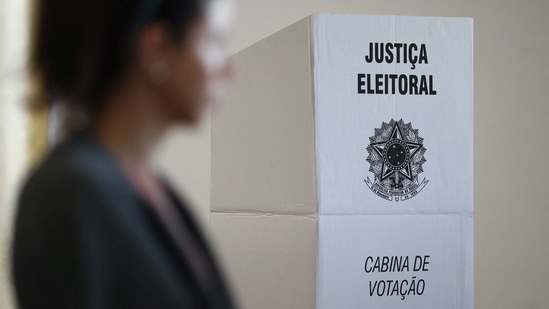
It was the first comment by the military on the runoff election, which has drawn protests nationwide even as the transition has begun for President-elect Luiz Inácio Lula da Silva's inauguration Jan. 1.
Thousands have been gathering outside military installations in Rio de Janeiro, Sao Paulo, Brasilia and other cities calling for intervention by the armed forces to keep Bolsonaro in office.
When the defense ministry announced this week that it would present its report on the election, some Bolsonaro supporters rejoiced, anticipating the imminent revelation of a smoking gun.
That didn't happen.
“There is nothing astonishing in the document,” Diego Aranha, an associate professor of systems security at Aarhus University in Denmark, who has been a member of the Brazilian electoral authority's public security tests, told The Associated Press.
“The limitations found are the same ones analysts have been complaining about for decades ... but that doesn't point to evidence of irregularity."
Defense Minister Paulo Nogueira wrote that “it is not possible to say" with certainty the computerised vote tabulation system hasn't been infilitrated by malicious code, but the 65-page report does not cite any abnormalities in the vote count.
Based on the possible risk, however, the report suggests creating a commission comprised of members of civil society and auditing entities to further investigate the functioning of the electronic voting machines.
Read more: North Korean missile debris similar to ones used by Russia in Ukraine: Seoul
Bolsonaro, whose less than two-point loss was the narrowest margin since Brazil's 1985 return to democracy, hasn't specifically cried foul since the election.
Still, his continued refusal to concede defeat or congratulate his opponent left ample room for supporters to draw their own conclusions.
And that followed more than a year of Bolsonaro repeatedly claiming Brazil's electronic voting system is prone to fraud, without ever presenting any evidence — even when ordered to do so by the electoral authority.
In the months leading up to the vote, as polls showed him trailing da Silva, Bolsonaro pushed for the military to take on an expanded role in the electoral process.
The election authority, in a gesture apparently aimed at placating the president, allowed for armed forces' unprecedented participation.


