
 E-Paper



Guinea-Bissau reports first mpox outbreak, half of suspected cases are children
Mpox, which is caused by a virus from the same family as smallpox, can be transmitted to humans by animals.

 Prefer HTon Google


Guinea-Bissau is facing its first outbreak of mpox, UN children's agency UNICEF said Thursday, voicing concern that half of suspected cases were affecting children and that the country is ill-prepared.
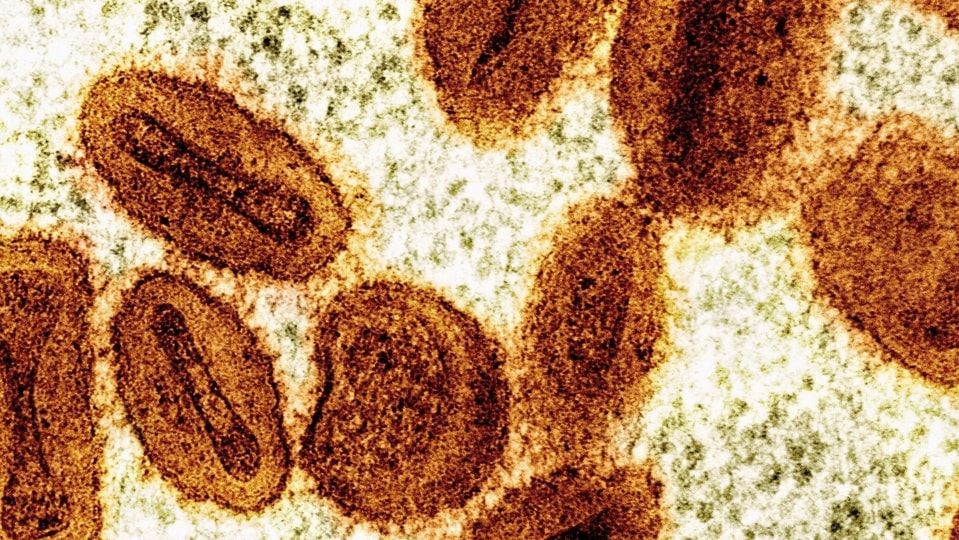
Mpox, which is caused by a virus from the same family as smallpox, can be transmitted to humans by animals but can also be passed between people through close physical contact.
The disease, which was first detected in humans in 1970 in the Democratic Republic of Congo, causes fever, muscular aches and large boil-like skin lesions, and can be deadly.
"This is the first time mpox cases have been reported in Guinea-Bissau, making even a small outbreak a major public health event," Sandra Martins, UNICEF deputy representative in Guinea-Bissau, said in a statement.
Also Read | Guinea-Bissau soldiers announce junta leader, cement coup days after election in African nation
"While the country's surveillance system remains extremely fragile, we face the risk that cases are going undetected, particularly among children who are the most vulnerable to severe complications," she said.
As of August 17, Guinea-Bissau had reported seven confirmed mpox cases, all among adults. No deaths have been reported.
But, out of 46 suspected cases, 23 are children aged under 15, UNICEF said, adding the reopening of schools next month could help spread the disease.
The Africa Centres for Disease Control and Prevention announced in January that Africa was no longer in the grip of a public health emergency over mpox though the viral infection "remains endemic in several settings".


