
 E-Paper



How the Bolsonaro Family Made a Warp Speed Political Comeback in Brazil
The conservative movement is becoming the dominant force in Brazilian politics after Sunday’s national election.


 Prefer HTon Google


The Bolsonaros are back.
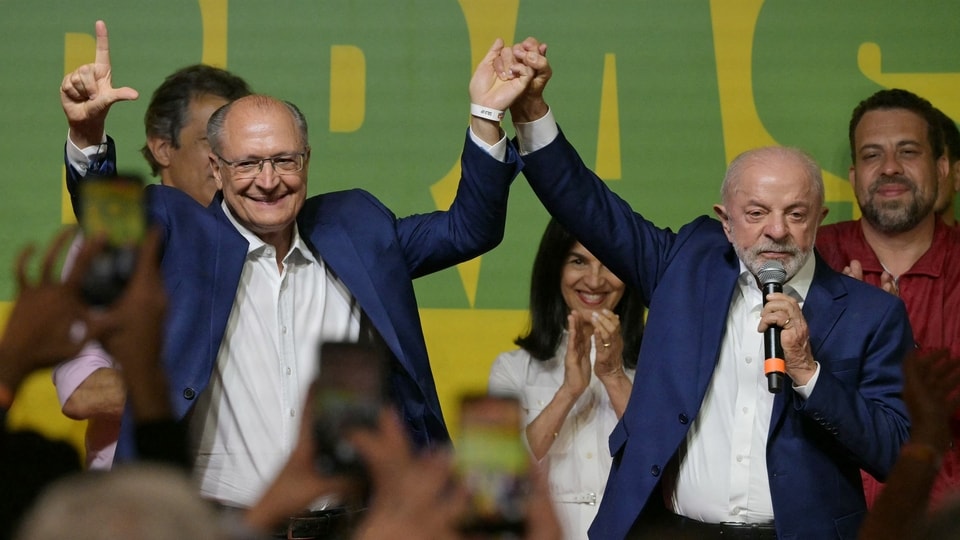
Former right-wing President Jair Bolsonaro is still under house arrest, serving a 27-year sentence for plotting a coup. But his eldest son is now within reach of the presidency, his wife and another son are headed to the Senate, and his youngest son and brother to the lower house of Congress.
The Bolsonaros’ success in Sunday’s elections shows how the conservative movement the eldest Bolsonaro built is becoming the dominant political force across this nation of more than 200 million people.
Jair’s eldest son, Flávio Bolsonaro, a 45-year-old senator from Rio de Janeiro, stunned Brazil’s political establishment and many within his own party by finishing ahead of President Luiz Inácio Lula da Silva in the first round of voting. The two men now face a bruising runoff on Oct. 25.
But across the board, conservatives scored victories. Bolsonaro’s Liberal Party nearly doubled its seats in the Senate to 28 out of 81, the largest single-party Senate bloc in nearly four decades, while cementing its position as the biggest party in the lower house. The right also swept across Brazil’s state governments, with right-wing or centrist candidates winning outright or finishing first in around 20 of the country’s 26 states and the Federal District.
Bolsonaro is no longer just a man, political scientists say, but an idea—and one that resonates with Brazilians today more than any other.
Brazil’s rightward shift has been building for more than a decade. Brazilians have long been more socially conservative than the country’s politics might suggest, particularly on issues such as abortion and same-sex marriage. More than a quarter of Brazilians are now evangelical Christians, up from just 9% in 1991, while violent crime has fueled demands for tougher policing and greater access to guns.
Brazil’s booming agribusiness sector, fueled by soaring Chinese demand for Brazilian soybeans, beef and other commodities, has also given greater economic and political clout to the country’s conservative farming heartland. Meanwhile, economic and political crises under leftist governments elsewhere in Latin America, particularly Venezuela, have helped the right cast the left as a threat.
But for decades after Brazil’s military dictatorship ended in 1985, openly identifying with the right carried a stigma. That began to change as a new generation of voters came of age with no memory of military rule. For many of them, the defining political failures were no longer those of the dictatorship, but corruption scandals and economic turmoil under da Silva’s Workers’ Party.
Jair Bolsonaro gave that shift a voice. His rise made it possible, even fashionable, for millions of Brazilians to openly embrace the right, turning what had long been a politically uncomfortable label into a powerful identity.
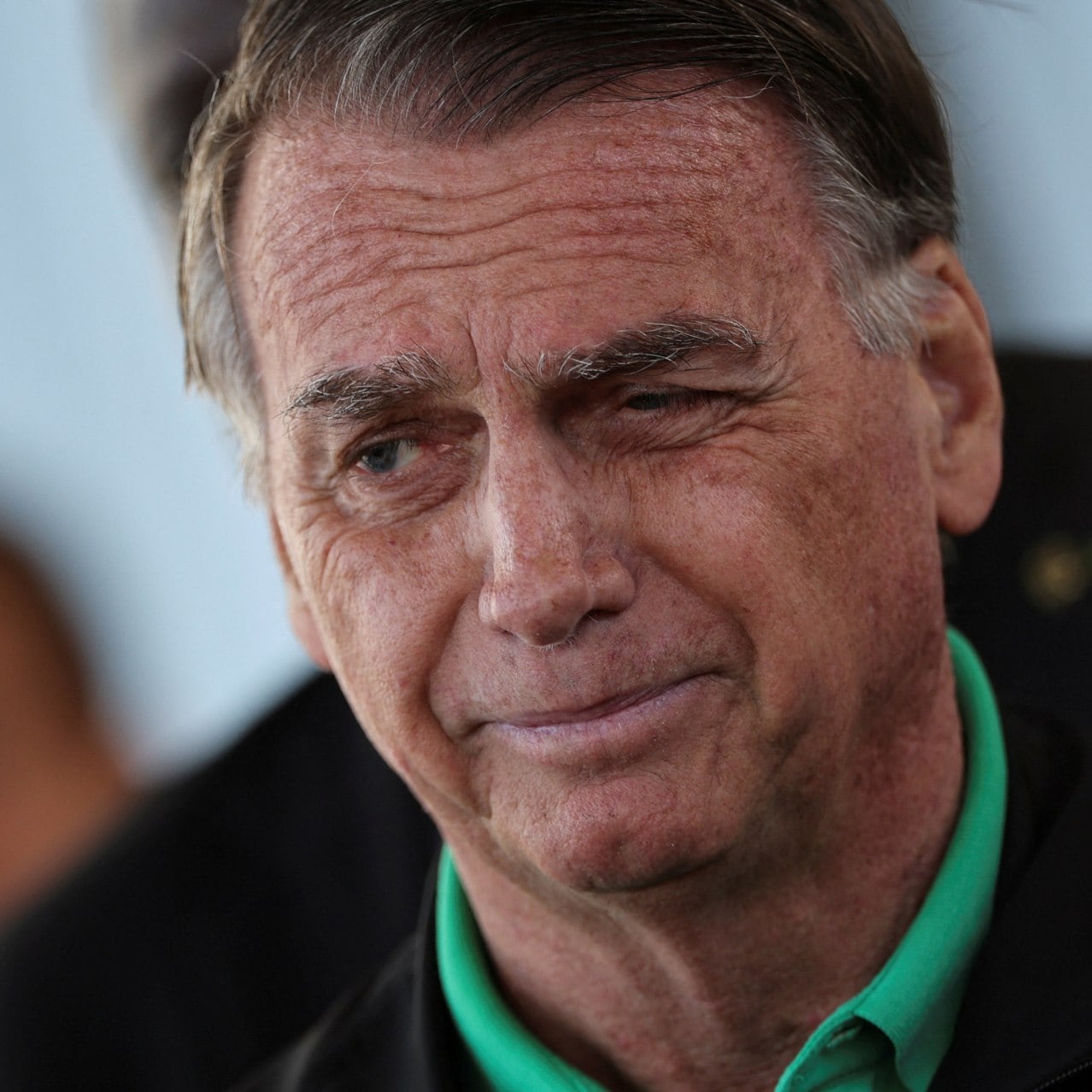
Jair Bolsonaro
Jair Bolsonaro, 71, former president. Banned from running and under house arrest.
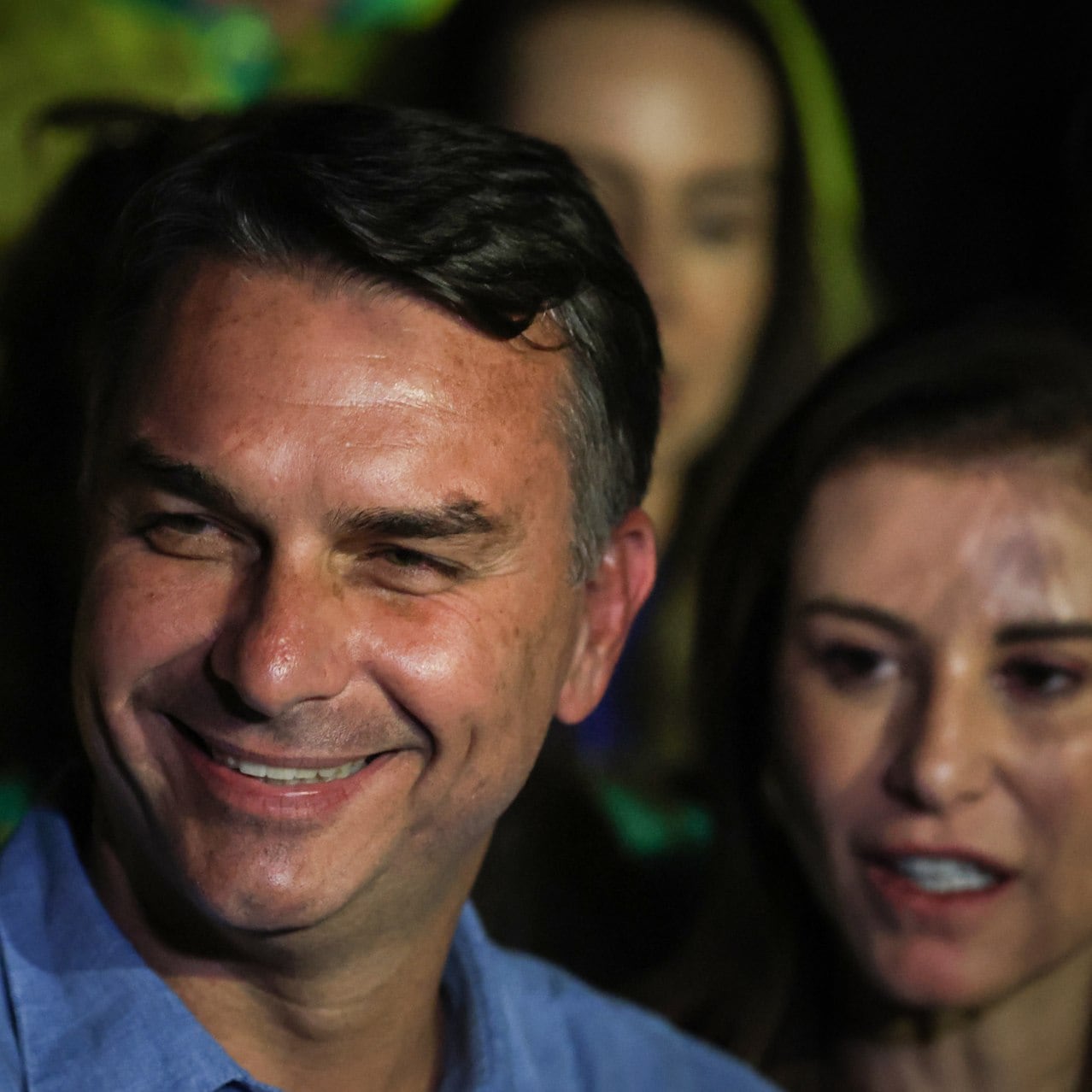
Flávio Bolsonaro
Flávio Bolsonaro, 45, eldest son. Favorite to win the presidential runoff against Lula da Silva.
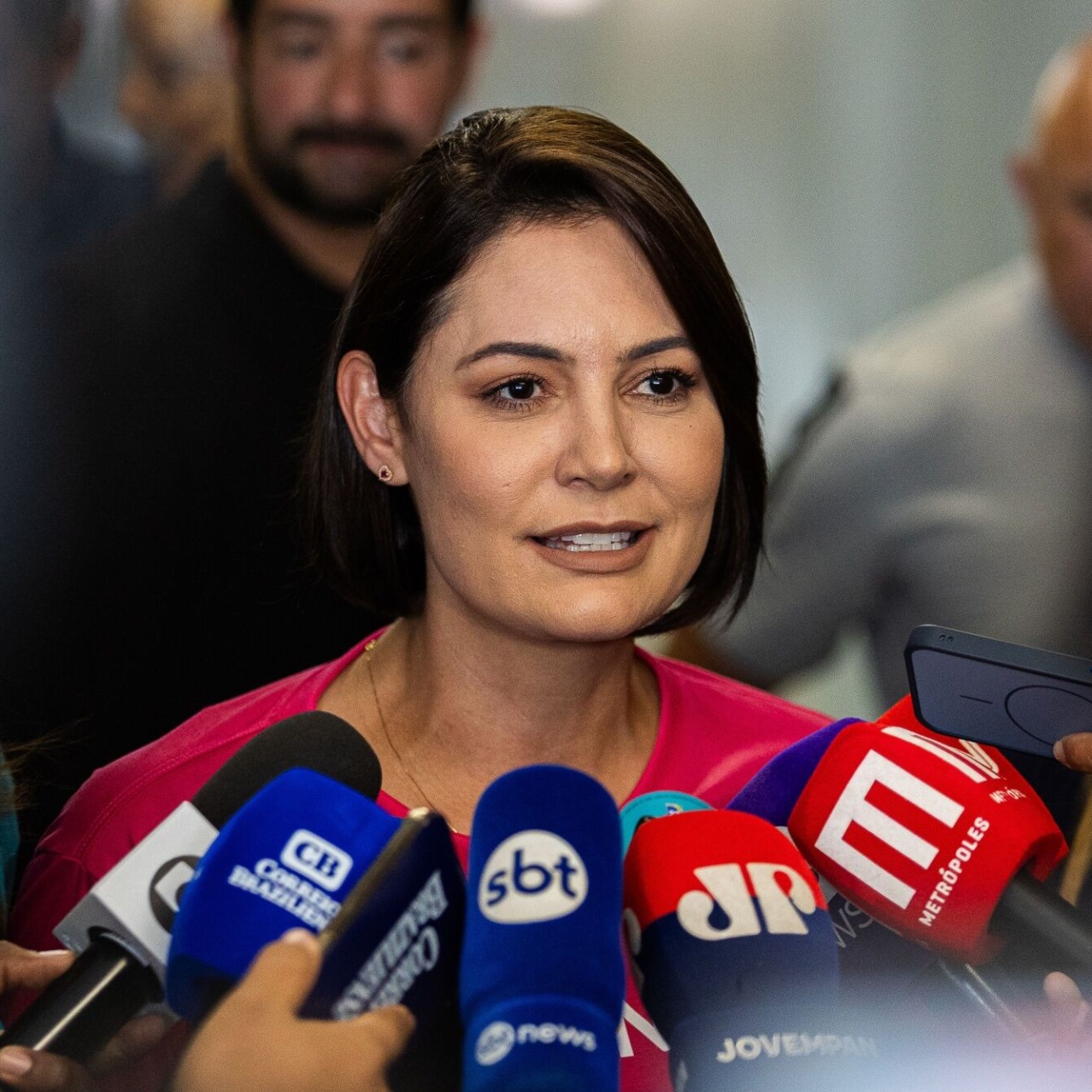
Michelle Bolsonaro
Michelle Bolsonaro, 44, Jair’s wife. Elected senator for the Federal District.
Carlos Bolsonaro
Carlos Bolsonaro, 43, son. Elected senator for Santa Catarina.

Jair Renan Bolsonaro
Jair Renan Bolsonaro, 28, youngest son. Elected federal deputy for Santa Catarina.

Renato Bolsonaro
Renato Bolsonaro, 62, Jair’s younger brother. Elected federal deputy for São Paulo.

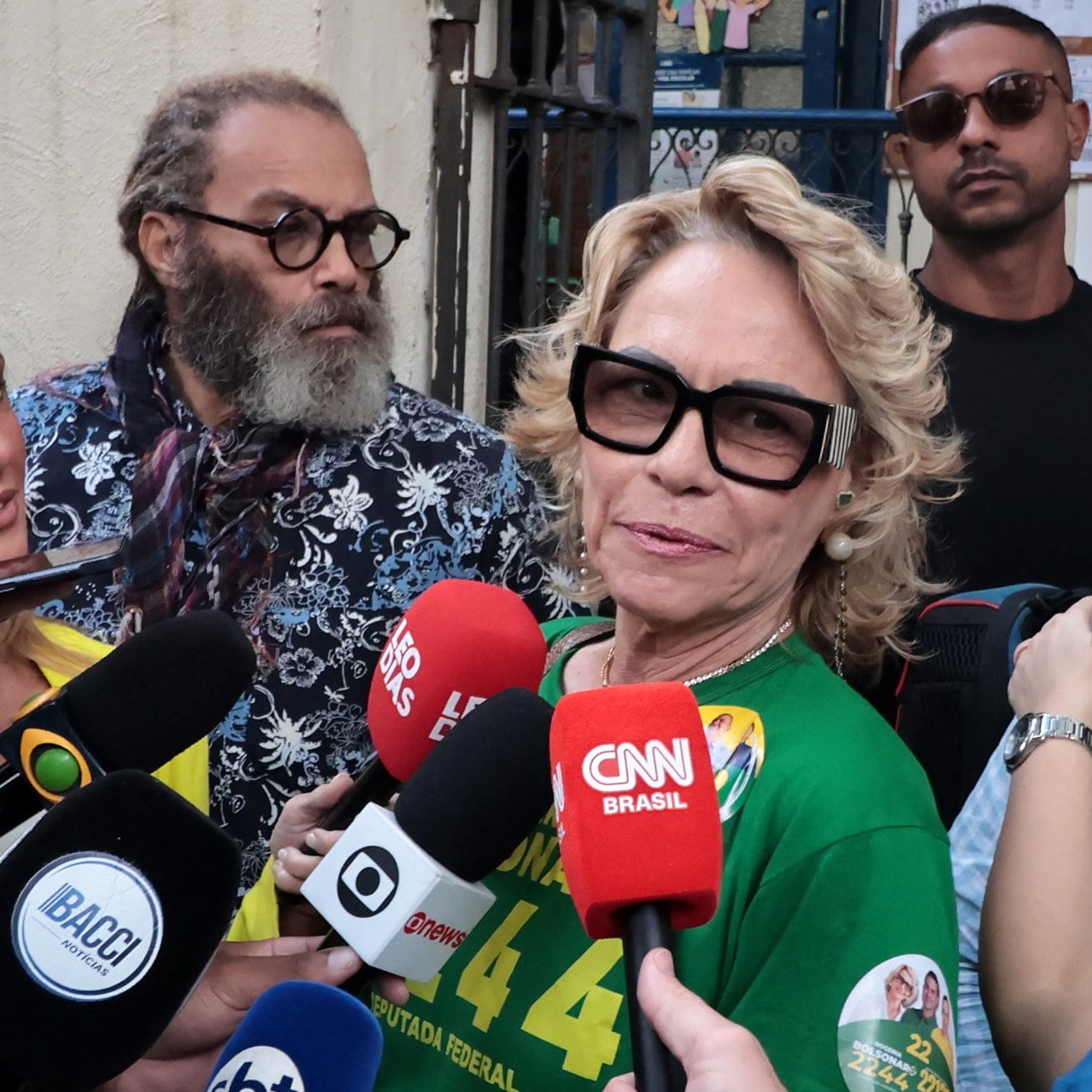
Rogéria Bolsonaro
Rogéria Bolsonaro, 66, Jair’s first ex-wife and mother of Flávio, Carlos and Eduardo. Ran for federal deputy in Rio but was not elected.
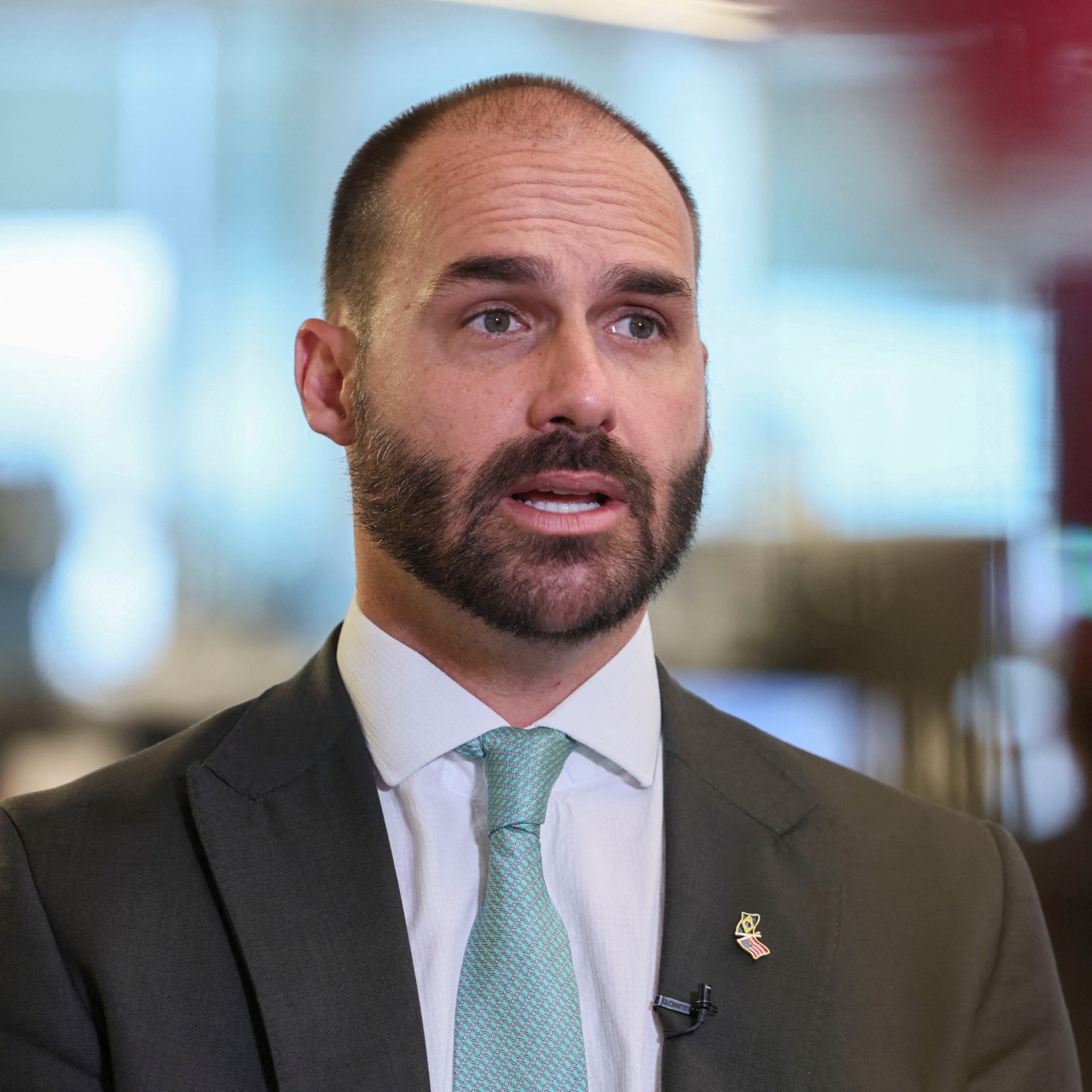
Eduardo Bolsonaro
Eduardo Bolsonaro, 42, son. Did not run in 2026 and is currently in the U.S., lobbying the Trump administration on behalf of his father.
“Today’s Brazil is a right-of-center country,” said Brian Winter, a longtime Latin America analyst and editor in chief of Americas Quarterly. “The Brazil of bossa nova and samba, the Brazil that so many foreigners know and that Lula grew up with, has now been almost totally replaced,” he said.
What has emerged instead is a Brazil of “cowboy hats and big belt buckles, megachurches, malls,” he said. “A country that has so much in common now with the United States.”
Jair Bolsonaro failed to win re-election in 2022, as his abrasive style and handling of the Covid-19 pandemic alienated enough Brazilians to return da Silva to power. Bolsonaro lost by fewer than 2 percentage points, then tried to overturn the result, ultimately leading to his conviction and imprisonment last year.
Yet his defeat did little to reverse Brazil’s political shift.
Like his father, Flávio is a deeply polarizing figure, with recent polls showing that more than 40% of Brazilians would never vote for him. Even right-wing voters say he is far from an ideal candidate. He is more politically savvy and connected than his father, but also more entangled in the corruption allegations endemic to Brazilian politics.
But for now, the Bolsonaro name remains the safest bet for much of the right—a “cognitive shortcut” that instantly signals a package of conservative values, said Leonardo Barreto, a Brasília-based political scientist.
“There is a perception that someone with the Bolsonaro surname will not betray the objective or the ideas behind the movement,” Barreto said. “You are loyal to the leader. You are loyal to the family because you believe it possesses some special quality.”
Michelle Bolsonaro, Jair’s wife, was elected senator for Brasília with a record number of votes. Jair’s brother Renato won a congressional seat in São Paulo, while his son Carlos won a Senate seat in the southern state of Santa Catarina. Even Jair Renan, Jair Bolsonaro’s 28-year-old youngest son, won a seat in the lower house for the same state.
Getting Jair back into politics, or at least out of house arrest, would be more difficult. If elected president, Flávio could seek to pardon his father, or Congress could pursue an amnesty, but either route could ultimately be challenged and struck down by the Supreme Court.
The election, however, could also give the Bolsonaros greater power to reshape the court itself.
As president, Flávio could have the opportunity to nominate as many as four of its 11 justices as seats become vacant, subject to Senate approval, while the right’s growing strength there would give Bolsonaro allies more clout to pursue the impeachment of judges they see as hostile to the family.
Write to Samantha Pearson at samantha.pearson@wsj.com


