
 E-Paper


Asmi is a Senior Content Producer primarily covering stories related to NRIs, immigration, visas, citizenship and global mobility. She closely follows developments that affect Indians living, working and studying abroad, with a particular focus on translating complex policies and international developments into clear, accessible stories for readers. As part of the US Desk, Asmi also reports on a wide range of political, economic and social developments in the United States, exploring their relevance to Indian and global audiences. Her work spans breaking news, features, trends and explanatory stories, with an emphasis on accuracy, timely reporting and audience-focused storytelling. Asmi likes finding the human angle behind major developments and bringing context to stories that can often feel complicated or distant. She is especially interested in stories around immigration, life abroad, careers, education and the experiences of the Indian diaspora, while also exploring a wide range of topics that spark curiosity and conversation. Outside the newsroom, Asmi is an avid reader and loves travelling, discovering new places, experiencing different cultures and collecting stories along the way.
 Trending News
CIA waterboarded more 9/11 terror suspects than it admitted, newly released FBI files suggest: Report
FBI records released after a New York Times lawsuit include a witness account of waterboarding at a secret CIA facility in Afghanistan.

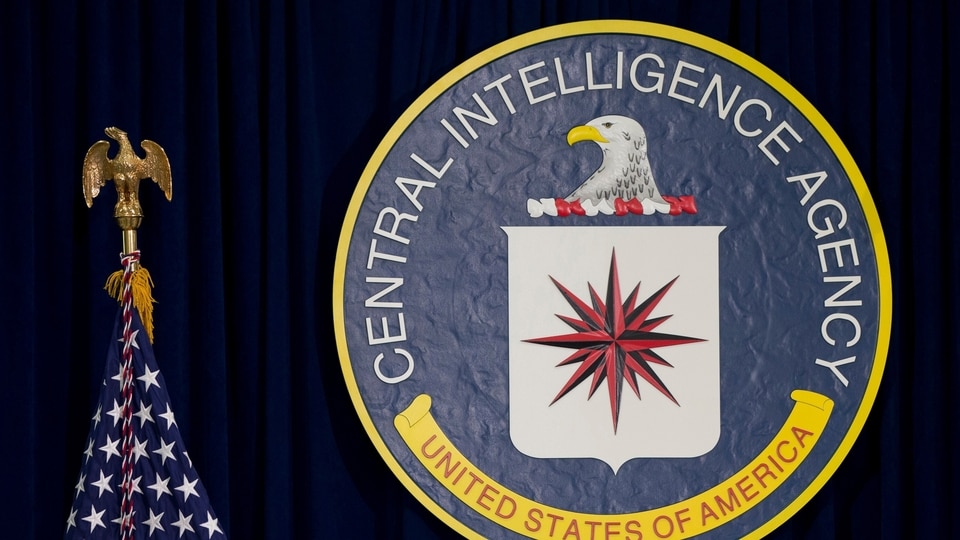
The Central Intelligence Agency (CIA) appears to have waterboarded more terrorism suspects than the agency previously admitted. This number goes beyond the three detainees the CIA officially acknowledged subjecting to the torture technique after the September 11, 2001, attacks, according to newly declassified FBI interview records released this week.
The records, obtained following a New York Times lawsuit under the Freedom of Information Act (FOIA), include an account from a former CIA contract translator who told FBI investigators in 2012 that he had witnessed a detainee being waterboarded at a secret detention facility in Afghanistan.
The disclosure adds to questions about the CIA's interrogation programme under former US president George W. Bush, which involved holding terrorism suspects at secret overseas prisons, commonly known as black sites, and using harsh interrogation methods.
Former translator describes waterboarding at Afghanistan black site
According to the FBI interview report, cited by NYT, the former translator said he had seen a detainee identified as “Bahir” strapped to a board tilted downwards into water at a CIA detention facility near Kabul, Afghanistan.
The facility was known as the Salt Pit or Detention Site Cobalt.
An FBI agent summarising the translator's account said approximately three to four people were involved in the waterboarding session. The witness said he saw the incident while passing through the area but did not participate in it.
The newly released records do not establish the detainee's identity or confirm how many times the technique was used at the facility.
The translator reportedly described Bahir as a relative of Hekmatyar, an Afghan militia leader and politician.
The New York Times reported that the description could refer to Ghairat Bahir, whom CIA records indicated had been held by the agency for about two years beginning in 2002 and subjected to what it called “enhanced” interrogation techniques. However, it remains unclear whether the two men are the same person.
CIA had acknowledged waterboarding three detainees
The newly declassified account appears to contradict the CIA's previously stated position that it waterboarded only three detainees.
According to a 2014 Senate Intelligence Committee report, the agency identified the three men as Abu Zubaydah, Khalid Shaikh Mohammed and Abd al-Rahim al-Nashiri. All three are currently held at the US military prison at Guantanamo Bay.
The CIA said the three were waterboarded at secret detention facilities in Thailand and Poland, rather than at the Afghanistan site.
However, questions about possible waterboarding in Afghanistan had surfaced earlier. In 2012, a Libyan man who had been held by the CIA in Afghanistan told Human Rights Watch that he had been subjected to the technique.
The Senate report documented other interrogation methods used against detainees at the facility, including confinement in cramped boxes and painful stress positions. It also acknowledged that some techniques used there were not recorded in CIA communications.
The committee had also obtained a photograph of a waterboard surrounded by buckets of liquid at the Afghanistan facility. When questioned about the photograph in 2013, the CIA was unable to explain it, according to a footnote in the report.
FBI files reveal fears over prosecution and interrogation tapes
The newly released documents also shed light on concerns among CIA officials about possible criminal prosecution over the interrogation programme and the destruction of videotapes showing waterboarding sessions.
The records were part of an investigation led by special prosecutor John Durham between 2008 and 2012. Durham ultimately did not bring criminal charges against agency personnel. His reports on the investigation remain classified.
One official told FBI investigators that he had kept interrogation tapes in a safe and considered them “serious business”. He also expressed concern that their release into the wrong hands could potentially “destroy a president”.
Another interview account described concerns within the agency that a future administration might make the recordings public.
According to the records, an official recalled that CIA representatives had raised the possibility of prosecutions with Andrew H. Card, then Bush's chief of staff. Card reportedly conveyed those concerns to Bush, who indicated that he could take executive action if CIA employees faced prosecution, while suggesting that he could not pardon himself.


