
 E-Paper



Pakistan Occupied Kashmir violence is a red signal for Islamabad
Pak has been blaming India for human rights violations, this time the pinch was on the other shoe as its forces used excessive force to quell down protests.

 Prefer HTon Google


New Delhi: The contrast could not have been more stark. While Srinagar in Jammu and Kashmir recorded the highest voting percentage for the 2024 Lok Sabha at 37.98 after 1996, the Kashmiris in Occupied Kashmir were up in arms against step-motherly treatment by Islamabad since May 9. The trigger for protests was raiding and arrests of activists of the Jammu Kashmir Joint Awami Action Committee (JAAC) on the intervening night of May 8-9.
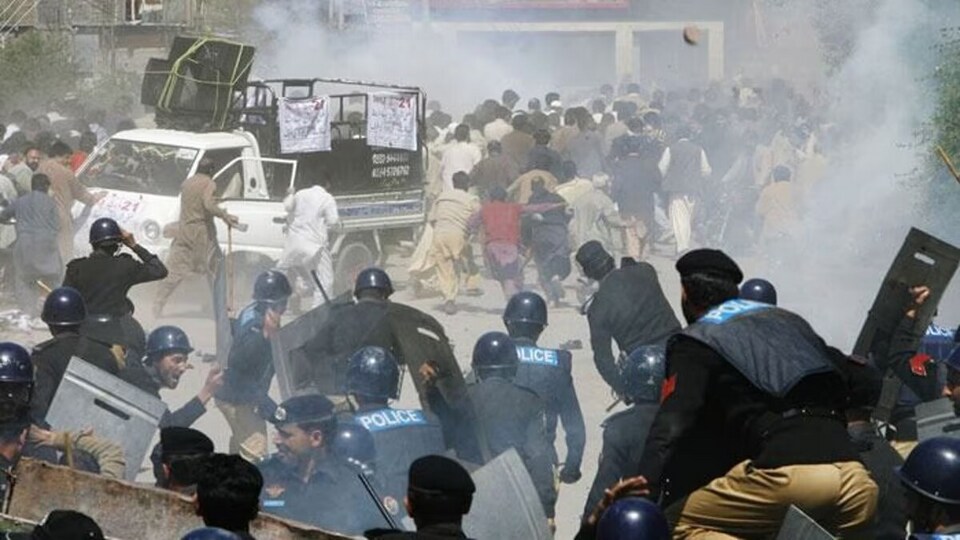
Although the violent protests have been called off after Pakistan Prime Minister Shehbaz Sharif announced a package of 23 billion Pakistan Rupees on Monday, the conflagration is a red flag for Islamabad even as the economic disparities in Srinagar Valley and exploited public in Occupied Kashmiris increase by the day.
Although the Pakistan and western media tried to play down the PoK violence, the protests took place in Samahmi, Sehansa, Mirpur, Dadyal, Rawalkot, Khuiratta, Tattapani and Hattian Bala. It is understood that at least 70 JAAC activists were arrested, leading to a clash between police and protestors, as a result of which at least one police personnel and three civilians were killed and no less than 100 were seriously injured in the confrontation. The JAAC, a socio-political organization comprising traders, transporters and lawyers, has been at the forefront of protests in Occupied Kashmir due to rising costs of food (wheat), fuel and electricity bills. The JAAC had given a call for ‘Long March’ to Muzaffarabad on May 11, which was preempted by Islamabad with raids and arrests of the activists on May 8-9. During the violent protests as many as three vehicles of Pakistan Rangers were torched with protestors chanting anti-Pakistan and pro-Independence slogans. The internet was shut down for the past week and so were schools and trading establishments.
Also read: Pokhran anniversary: Why May 11, 1998 is Bharat’s pivotal moment
The Pakistani paramilitary forces used excessive force to quell down protests with activists accusing them of human rights violations. So violent were the protests that PM Sharif had to call for peace with the protestors and in the end bow down to their demands for subsidized electricity and fuel. Apart from the local police, Islamabad deployed three battalions of Pakistan Rangers from Kohala besides Army.
Also read: View: Modi steals spotlight as NDA gathers momentum in Andhra Pradesh
Even though Pakistan police is blaming India for instigating the protests, dissent has been simmering in Rawalkot in Occupied Kashmir since May 2023 with activists up in arms against the provincial and federal; government over rises in electricity and wheat flour prices. This was followed by a boycott and non-payment of electricity bills. The electricity charges in PoK are five times the production costs and there is deep resentment in the locals over the same. The protestors have been demanding the following:
· Wheat subsidy similar to Gilgit-Baltistan,
· Electricity tariff should be based on cost of production from Mangla Dam hydroelectric project.
· Unnecessary perks and privileges of the ruling class (read Punjabis) and officials should be completely eliminated.
· Restrictions on student unions are lifted and elections are conducted.
· The “Jammu and Kashmir Bank” in Occupied Kashmir be made a scheduled bank.
· Municipal representatives should be given funds and powers.
· Cellular companies and internet services rates are standardized.
· Property Transfer tax be reduced.
· The Accountability Bureau should be made active and relevant amendments be made in the act.
· Restrictions are imposed on tree cutting and legislation is enacted to revitalize the local industry.
Also read: NSA Ajit Doval raises Sikh radicalisation concerns with UK counterpart
It is understood that the provincial government had agreed to these demands in February 2024 after a call strike was given in September 2023 for February 5, which ironically is celebrated by Islamabad propagandists as Kashmir Solidarity Day.


