
 E-Paper



Interview: Rana Safvi, Translator, Tears of the Begums – ‘I cried as I translated some stories’
What inspired you to translate Begumat Ke Aansoo? Why hasn’t an English translation of this collection been attempted before? Post Independence, the country was focused on nation building and governance, making life anew, and overcoming the traumas of Partition, and these stories lost their relevance

 Prefer HTon Google


What inspired you to translate Begumat Ke Aansoo? Why hasn’t an English translation of this collection been attempted before?
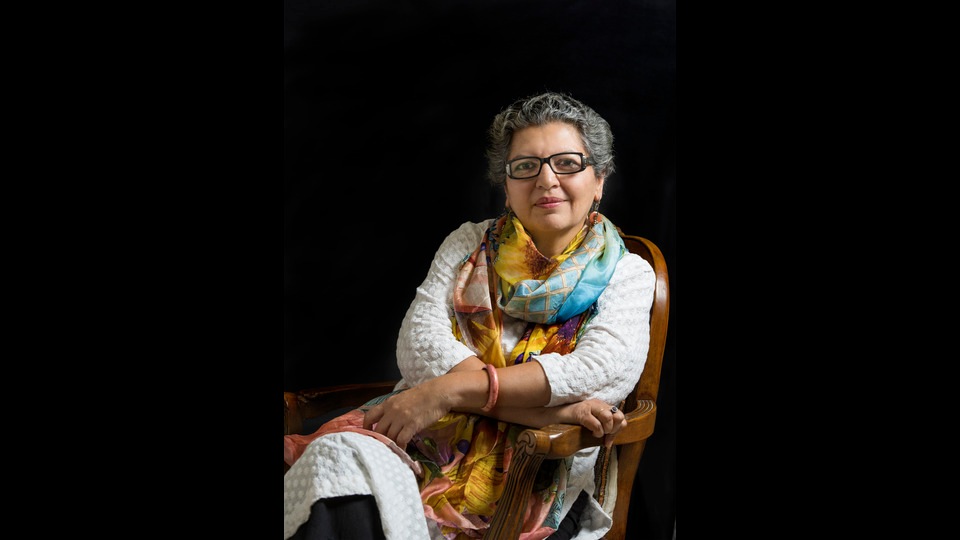
Post Independence, the country was focused on nation building and governance, making life anew, and overcoming the traumas of Partition, and these stories lost their relevance. The last edition came out in 1942. However, I felt that a translation was needed as we have forgotten the horrors of the Uprising of 1857 and the sacrifices of the people who fought in the First War of Indian Independence and the trauma of its survivors.
How important is the archiving of these oral narratives, that occupy a liminal space between fiction and history telling, for documenting the end of the Mughal era?
I have recently come across pension documents in the Delhi Archives relating to Kulsum Zamani Begum and some other Mughal princesses which bears out these oral testimonies. Oral history is an important tool for documentation especially when it bears the scrutiny of facts. Even if not factual it gives a glimpse into the prevailing mindset of people and the stories that are important to them.
You mention in your note that the author Khwaja Hasan Nizami has taken the help of “a fictionalised narrative as a vehicle” but that his stories “remain rooted in fact”. Please elaborate.
I have written that “In some stories the Khwaja has taken the help of a fictionalised narrative as a vehicle to tell the stories he heard, but they remain rooted in fact.” In the notes I have said that this is the way the story of the little princess’ letter to the Vicereine has been described. He presented the fact in a fictionalised way to make it more interesting and appealing to the sensibilities of his reader. The others are mostly related in the way they were provided to him by his interviewee.
You have referred to multiple Urdu editions of Tears of the Begums. How was the process of compilation and what were the challenges you encountered?
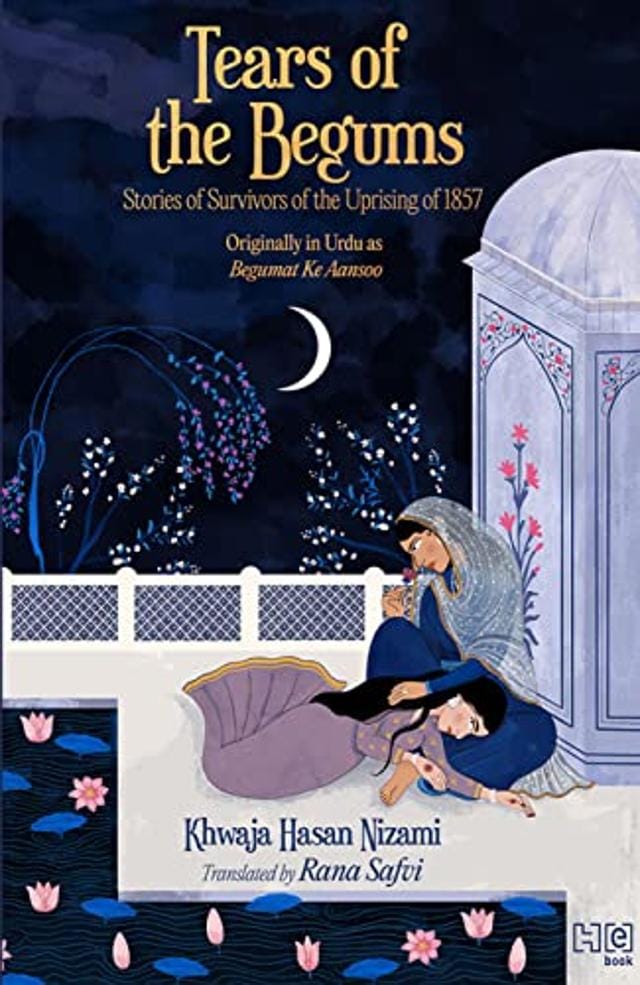
I have referred to three Urdu editions of Begumat ke Aansoo for this translation as successive editions kept adding new stories and making additions to existing stories. I accessed the twelfth edition published by Ibn-e Arabi Karkun Halqa-e Mashaekh, Delhi, in 1934 and the thirteenth edition published by Aalimi Press, Delhi, in 1944, from the Rekhta Foundation e-books section. The third book is a compilation of all the 12 books written on the ghadar of 1857 by Khwaja Hasan Nizami and published in 2008 as 1857, Shamsul Ulema Khwaja Hasan Nizami ki Barah Qadeem Yaadgar Kitabein. I have followed the table of contents of this new edition after consulting the Pakistani original Majmua Khawaja Hasan Nizami 1857 published in 2007 by Sang-e-Meel Publications on which the Indian edition was based.
Which account or accounts were of particular interest to you?
The account of Kulsum Zamani Begum and the Cart Driver Prince were historically very important for me.
Many of the stories talk about a particular acceptance of the transient nature of life itself. What was it like to translate the book during a pandemic which too was a time of loss and grief for many?
I cried as I translated some of the stories and wondered at the transient nature of the world after reading stories of the Mughal princes and princesses and wondered why we are so heedless of the future. I hope these stories act as a warning for readers.
Sab thaath pada rah jaavega
Jab laad chalega banjara
All your grandeur will come to nought /When the nomad packs up and leaves
That’s from Nazeer Akbarabadi
Was there a narrative from the book that posed a challenge to you as a translator?
Not really since I am very well acquainted with that era and the lifestyle. The only challenge was verifying the events and adding notes for them.
The story of the Green Clad Woman’s War was also corroborated by Major Hodson’s letters. Were there any other narratives whose details appeared in other historical documents?
The Delhi Archive pension papers relating to Kulsum Zamani Begum’s pension and that of few other princes -- I found these later and so couldn’t add them in the book.
Are you planning to translate other literary works?
I am working on a few more of Khwaja Hasan Nizami’s books.
What are you working on next?
I have a book on the living histories of Sufism coming out in October from Hachette India.
Simar Bhasin is an independent journalist.


