E-Paper



8th Pay Commission: What is 5-fitment formula that could hike salaries by 400%, how to calculate
The railway union has reportedly suggested fitment factors for different pay levels to ensure balanced salary hikes across lower, middle and senior employees.

 Prefer HTon Google


The 8th Pay Commission, expected to impact more than 1.1 crore beneficiaries including central government employees, pensioners and their families, is yet to submit its recommendations. Meanwhile, the Indian Railway Technical Supervisors’ Association (IRTSA) has proposed a five-fitment-factor formula for salary revision that, in some cases, could raise salaries by over 300-400%.
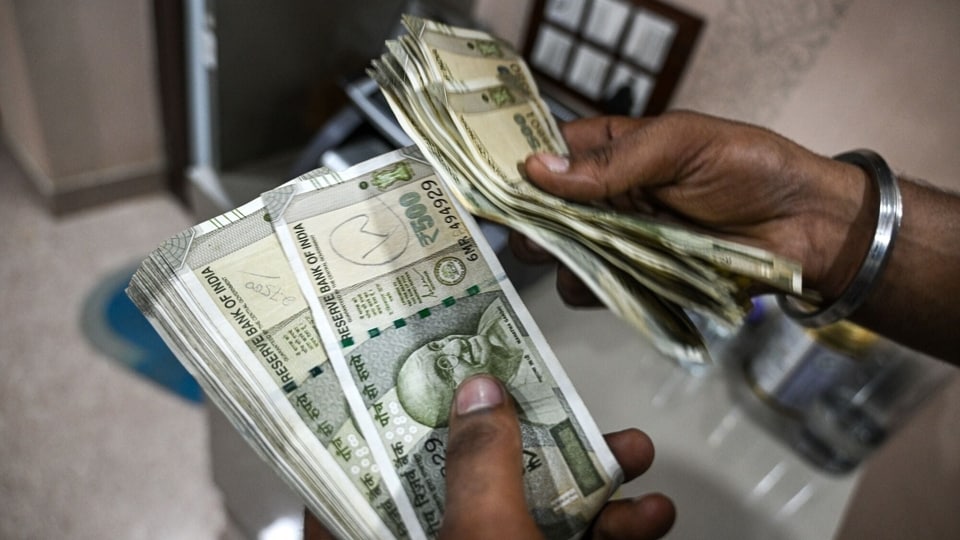
The railway union has suggested different fitment factors for different pay levels to ensure balanced salary hikes across lower, middle and senior employees, says a Live Mint report .
What is a fitment factor?
A fitment factor is a multiplier used by the Pay Commission to revise the basic pay and pensions of government employees. The revised salary is calculated by multiplying the current basic pay with the proposed fitment factor.
The concept became widely discussed during the 6th and 7th Pay Commissions, which used fitment factors to standardise salary revisions. The 7th Central Pay Commission implemented a fitment factor of 2.57.
Also Read | 8th pay commission: Salary increase, pension boost and fitment factor explained
Proposed fitment factors by IRTSA
Level 1-5: 2.92
Level 6-8: 3.50
Level 9-12: 3.80
Level 13-16: 4.09
Level 17-18: 4.38
How will salaries be calculated?
Formula: Current basic pay × Fitment factor = Revised basic pay
For example:
A Level 1-5 employee earning a basic pay of ₹10,000 would see the salary rise to ₹29,200 using the 2.92 fitment factor.
An employee in Level 6-8 with a current basic pay of ₹40,000 would get a revised salary of ₹1,40,000 after applying the 3.50 fitment factor.
If an employee under Level 13-16 currently earns ₹1,00,000 as basic pay, applying the 4.09 fitment factor would raise the revised salary to ₹4,09,000.
Similarly, an employee in Level 17-18 with a current basic pay of ₹2,20,000 would see the revised basic pay increase to ₹9,63,600 under the proposed 4.38 fitment factor.
Also Read | 8th Pay Commission: How much can central govt employees expect in arrears?
Speculation over the 8th Pay Commission continues to intensify as central government employees await clarity on its implementation and possible salary revisions. However, reports indicate that the government may not accept several key demands raised by employee unions, casting uncertainty over expectations of a major pay hike.