
 E-Paper



Karnataka to move Supreme Court on bike taxi operations
Karnataka plans to appeal to the Supreme Court regarding bike taxi regulations, amid Uber's claim that bike taxis complement, not replace, auto-rickshaws.

 Prefer HTon Google


The Karnataka government is preparing to approach the Supreme Court in its continuing legal battle over bike taxi operations, officials familiar with the development said. The move comes even as ride-hailing platform Uber said its data shows such services are not reducing demand for auto-rickshaws.
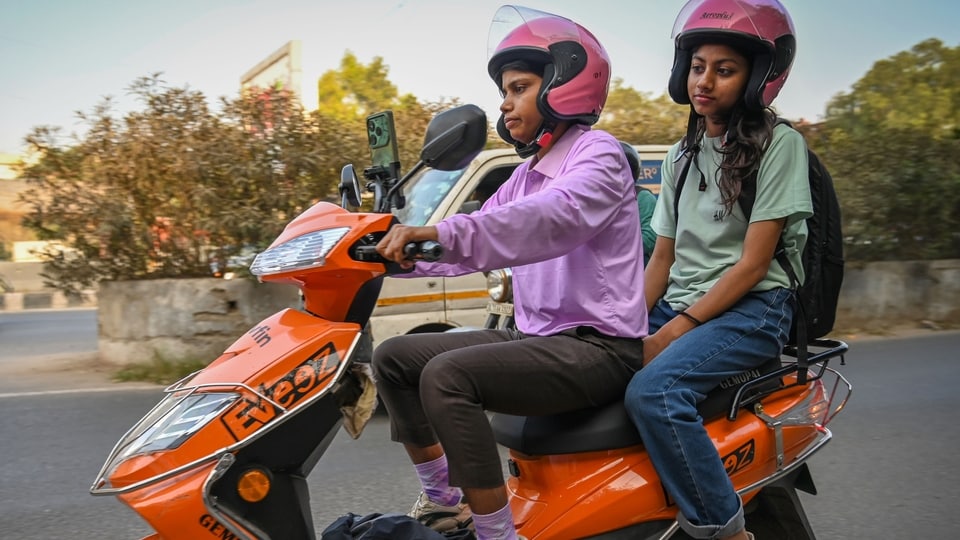
“Transport minister Ramalinga Reddy and chief minister Siddaramaiah have approved the move to file an appeal. The State government will frame regulations permitting bike taxis following the Supreme Court decision,” said the official.
The Karnataka high court has issued contrasting rulings on this issue over the past year. A single-judge bench had earlier declared bike taxis unauthorised and banned their operation in the State. However, on January 23 this year, a two-judge bench held that the government could not refuse to grant licences to bike taxi operators.
Also read | Karnataka high court permits bike taxis in Bengaluru, revokes ban
In that ruling, the court directed the State to examine applications from aggregators seeking permission to run bike taxi services and to issue licences in accordance with applicable rules. It also said that yellow board bike taxis could be allowed under central government guidelines. The State government, which opposes permitting such services, has since filed an appeal against the order.
Officials indicate that the planned move to the Supreme Court is aimed at resolving the legal uncertainty and reinforcing the government’s position that bike taxis should not be allowed without a clear regulatory framework aligned with its policy stance.
Meanwhile, Uber, a major ride-hailing platform, said its internal analysis suggests that bike taxis are not replacing auto-rickshaws but are instead serving different commuter segments.
In a blog post by its policy and research team, the company said that both categories — bike taxis and autos — have been growing simultaneously. It added that auto-rickshaws continue to remain the preferred mode of transport for a large share of users, while bike taxis help improve access and affordability, particularly for shorter trips or areas with limited connectivity.
Uber cited data from Bengaluru and Mumbai, where bike taxi services were paused for nearly two months in mid-2025, as part of what it described as a “natural experiment.”
According to the company, demand for auto-rickshaws continued to grow at a similar pace during this period, suggesting that the absence of bike taxis did not lead to a significant shift in user behaviour towards autos.
The company said this indicated limited substitution between the two modes of transport, with each catering to distinct needs. It argued that the evidence points to bike taxis expanding the overall market for urban mobility rather than redistributing existing demand from auto-rickshaws.
According to Uber’s data, auto rickshaws remain the dominant choice among users in Bengaluru. In the fourth quarter of 2025, about 76% of users who used two and three-wheeler options on the platform relied exclusively on auto-rickshaws. In contrast, only 8.8% used only bike taxis, while around 15% used both services.
The company said these figures show that bike taxis are not significantly drawing riders away from autos. Instead, it suggested that the two services complement each other within the broader transport ecosystem.
“Rather than viewing bike and auto drivers as competitors, policymakers should consider the full picture: Sensible regulations for both products will create a stronger, inclusive, and affordable mobility ecosystem,” Uber said in its blog post.
It also pointed to user behaviour trends to support its argument that bike taxis are bringing new customers into the system. “Since 2024, over 500,000 users in Bengaluru took their first Uber trip on a bike taxi, with nearly half of them later using auto services,” the company said.


