E-Paper



Madhya Pradesh govt sets up six member committee to examine UCC feasibility
The panel will hold public hearings, study drafts prepared in Gujarat and Uttarakhand, and submit a well-considered draft bill along with a comprehensive report to the state government within 60 days

 Prefer HTon Google


The Madhya Pradesh government has constituted a six-member high-level committee to study and examine the feasibility of implementing the Uniform Civil Code (UCC) in the state, an official order said.
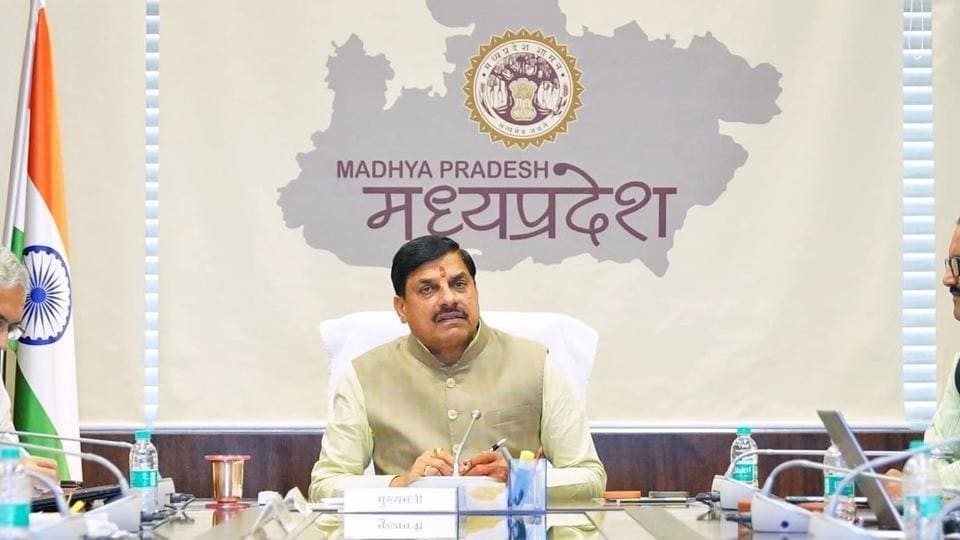
The panel, formed by the department of law and legislative affairs, will hold public hearings, study drafts prepared in Gujarat and Uttarakhand, and submit a well-considered draft bill along with a comprehensive report to the state government within 60 days.
The committee comprises retired Supreme Court judge Ranjana Prasad Desai, retired IAS officer Shatrughna Singh, advocate Anoop Nair, educationist Gopal Sharma, social activist Bushpal Singh, and General Administration Department secretary Ajay Katesariya.
An order issued late Monday stated that in Madhya Pradesh, matters of marriage, divorce, maintenance, succession and related subjects are currently governed by distinct personal and family laws.
Also Read: Uttarakhand sets target of 100% marriage registration under UCC in next 3 months
“In the present context, the government has felt the need for a comprehensive examination of these laws to develop a uniform, balanced and pragmatic framework that ensures equality, equity and legal clarity,” reads the letter.
The committee has been entrusted to examine existing laws on maintenance, inheritance and succession, study practices adopted in other states, and propose a framework that takes into account the social, cultural and economic factors of Madhya Pradesh.
“It will invite suggestions and objections from the public, social and religious organizations and academic experts, organizing hearings and consultative meetings to ensure broad participation,” said an officer of the law department.
“The panel will also recommend provisions to safeguard the rights of women and children, offer suggestions on regulation and registration of live-in relationships, and examine administrative and implementation aspects to prevent future legal complexities,” he added.