E-Paper



Early basmati rice varieties fetch record ₹4,000 per quintal in Haryana mandis
According to the farmers, prices of some early basmati varieties have risen by around ₹1,000 per quintal

 Prefer HTon Google


The aroma of basmati rice is bringing an early whiff of a bumper harvest to Haryana’s paddy growers this season, following a sharp rise in basmati prices ahead of the peak harvesting season.
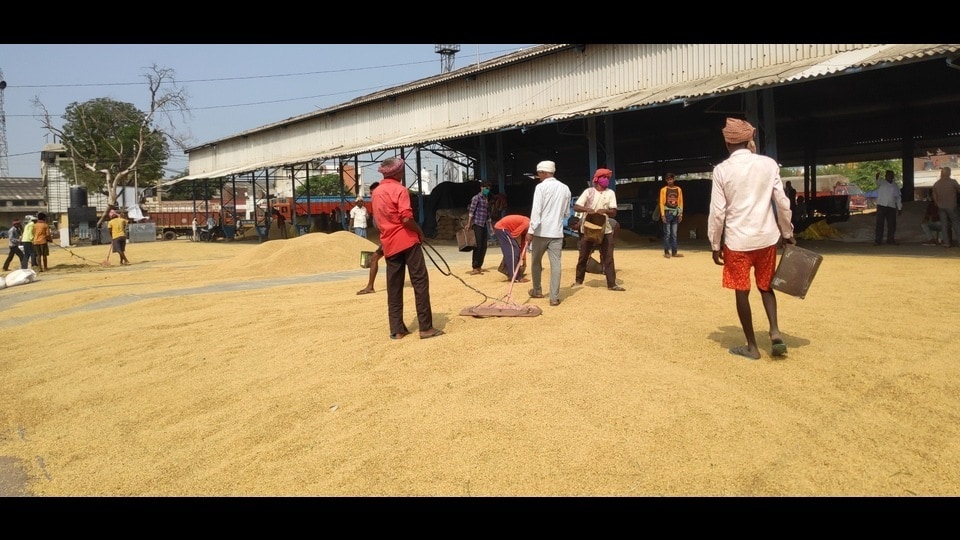
Arrivals of early maturing varieties, including PUSA 1509 and PUSA 1692, have started picking up pace in Haryana mandis, particularly in the state’s Basmati-growing belt, fetching around ₹4,000 to ₹4,200 per quintal in some grain markets.
According to the information, this is the first time these semi-premium varieties are being sold at this price, boosting expectations that premium varieties—like Pusa 1121 moochal, Pusa 1718, and traditional basmati taraori—may fetch around 40% to 50% more than these early-maturing varieties.
Farmers and traders said the opening prices were significantly higher than those prevailing at the beginning of the previous few seasons, as prices of these early-maturing varieties generally remain around ₹3,000 to ₹3,200 per quintal, and even during the peak season, they fall to around ₹2,500 to ₹2,800 per quintal.
According to the farmers, prices of some early basmati varieties have risen by around ₹1,000 per quintal compared with the levels seen during the corresponding period of previous years, helping farmers earn around ₹20,000 more per acre.
Also Read | Farmers’ body alleges non-basmati area shrinking despite more registered farmers; seeks probe
“The rates being offered now are among the best we have seen in the past three to four years, especially at the beginning of the harvest season,” said Praveen Kumar, a farmer and commission agent at the Nilokheri grain market in Karnal.
Paddy harvesting has also started picking up pace in Haryana, especially in the Yamuna catchment areas of Sonepat, Panipat, Karnal, and Yamunanagar districts. Reports suggest that even farmers from Uttar Pradesh are selling their produce in Haryana mandis as they can get better prices compared to their state.
“Even though basmati prices in Uttar Pradesh mandis remain higher this year, farmers from UP prefer to sell their produce in Haryana, as they get around ₹500 per quintal more than what they get in their home mandis,” said Rishi Kumar, associated with a Haryana-based basmati trading company.
Rishi expects that prices may come down slightly, but there is a strong possibility that this kharif season will be good for basmati growers.
According to traders, high prices have been driven by concerns over uneven monsoon rainfall and the possibility of lower production in some rice-growing areas. Traders have also stepped-up purchases amid expectations that domestic and international rice prices could remain firm.
Indian rice export prices hit 10-month high
Reports suggest that Indian rice export prices climbed to a near 10-month high in late July amid tight paddy supplies and uneven monsoon rainfall. Traders attribute the price hike to a steady increase in the country’s basmati exports.
According to trade data facilitated by the Agricultural and Processed Food Products Export Development Authority (APEDA), India exported 65.21 lakh metric ton (MT) of basmati rice valued at ₹50,138 crore in the financial year 2025–26, compared to 60.65 lakh MT exported in 2024–25 and 52.42 lakh MT in 2023–24.
Also Read | Australia rejects India's plea to trademark Basmati rice citing Pakistan's sales
Terming the rise in basmati prices good for farmers, Vijay Setia, former president of the All India Rice Exporters Association, reasoned, “Many countries are buying more rice as compared to their regular purchases in the Middle East.”
But a section of basmati growers and ahrtias also term this hike temporary as they believe that prices may crash when harvesting is at its peak next month. “The real test will come when arrivals increase substantially. At present, supplies are limited and traders are competing for quality produce. If the demand remains strong and there is no sudden fall in export or domestic prices, basmati growers could get good returns this season,” said Satywan, a farmer from Gohana.