
 E-Paper



Umar Khalid, Sharjeel Imam ‘masterminds’ of 2020 Delhi riots: Delhi cops to HC
The police emphasized their roles differed from other accused and highlighted previous Supreme Court rulings denying bail due to risk profiles.

 Prefer HTon Google


The Delhi Police has opposed before the Delhi High Court the applications filed by former Jawaharlal Nehru University (JNU) scholar Umar Khalid and student activist Sharjeel Imam seeking bail in the larger conspiracy case linked to the February 2020 Delhi riots, describing them as the “masterminds” of the violence.
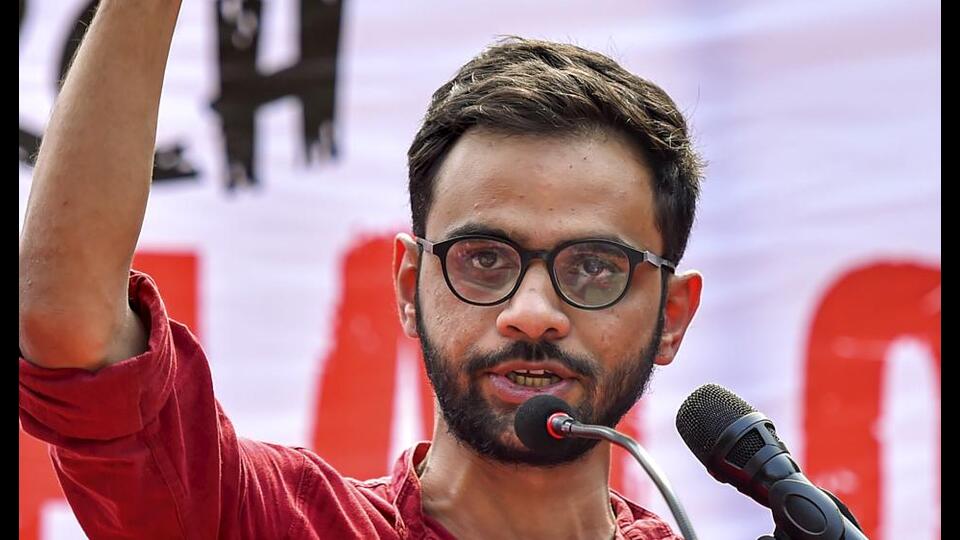
In an affidavit filed on Tuesday, the police contended that the bail pleas were misconceived and legally untenable, and that the Supreme Court, while denying them bail on January 5, had categorised their role as that of a command authority, distinct from the other co-accused.
“The present bail proceedings are misconceived and illegal in view of the following grounds elaborated herein under: the present appellant is one of the ‘masterminds’ of the Delhi riots. Thus, the role of the Appellant has been categorised as a ‘command authority’ as against the other co-accused,” the affidavit stated. It said the Supreme Court had held that the “risk profiles” of the accused were “markedly dissimilar”, justifying their “continuing detention”. The police therefore argued that they could not rely on bail orders passed in the cases of other co-accused.
The two approached the high court against a trial court order of July 4 denying them bail. The high court last month issued notice on their appeals and fixed the matter for August 27. However, as August 27 has been declared a holiday, the appeals will now be taken up on Monday.
In their appeal, the two relied on the Supreme Court’s ruling in Syed Iftikhar Andrabi v NIA to contend that there had been a change in circumstances warranting their release on bail. In that case, the Supreme Court expressed “serious reservations” about the reasoning adopted while denying bail to Umar and Sharjeel. It observed that the principles laid down in the 2021 judgment in Union of India vs KA Najeeb may not have been correctly applied. The judgment recognised that prolonged incarceration and delay in trial can override statutory restrictions on bail under Section 43D(5) of the Unlawful Activities (Prevention) Act.
The Delhi Police, however, countered this argument, contending that the two had tried to mislead the court by relying on the Andrabi verdict. The affidavit said the judgment arose from an unrelated case and did not deal with the Delhi riots case or their alleged role in it.
“Admittedly, the judgment in Syed Iftikhar Andrabi (Supra) does not deal with the Delhi Riots case or the Appellant’s role therein,” the affidavit stated, adding that the findings in the Gulfisha case upholding the invocation of Section 43D(5) of UAPA had not been doubted in Andrabi. Therefore, the statutory bar on grant of bail remained applicable, it said.
The affidavit further stated that the bail petitions were contrary to the Supreme Court’s January 5 verdict denying them bail, as they had been filed before the examination of protected witnesses or the expiry of one year.

Stay updated with all top Cities including, Bengaluru, Delhi, Mumbai and more across India. Stay informed on the latest happenings in World News along with Delhi Election 2025 and Delhi Election Result 2025 Live, New Delhi Election Result Live, Kalkaji Election Result Live at Hindustan Times.


