
 E-Paper



GRAP-1 imposed in Delhi-NCR ahead of Diwali: What are the restrictions?
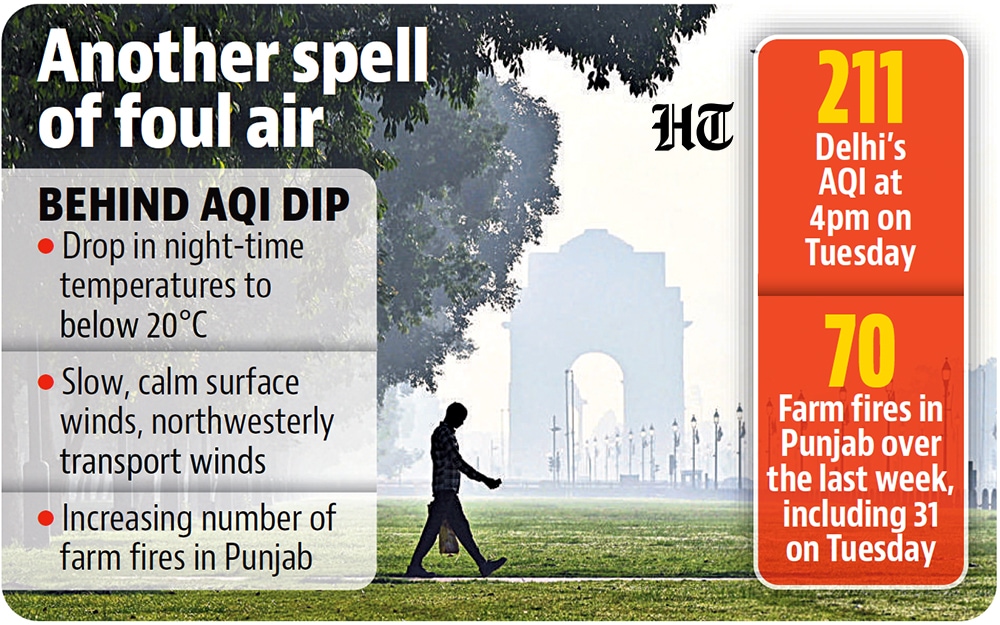
Just a week before Diwali, Delhi's Air Quality Index (AQI) reached 211 on Tuesday, and forecasts warn that it is likely to remain “poor” in the coming days.

 Prefer HTon Google


The Commission for Air Quality Management (CAQM) has imposed restrictions under GRAP-1 in Delhi and the National Capital Region (NCR) after the air quality turned “poor” on Tuesday. Just a week ahead of Diwali, the national capital witnessed its Air Quality Index (AQI) reach 211 on Tuesday, and the India Meteorological Department (IMD) forecasts warn that it is likely to remain “poor” in the coming days.
Depending on the air quality, Measures under GRAP, which divides air quality into four levels: Stage I (Poor) with an AQI of 201 to 300, Stage II (Very Poor) from 301 to 400, Stage III (Severe) from 401 to 450, and Stage IV (Severe Plus) for AQI above 450, are implemented in Delhi every year.
ALSO READ | Delhi pollution: What are the curbs on cars under GRAP 1? What's allowed, what's not
Unfavourable weather, along with vehicle emissions, paddy-straw burning, firecrackers, and other local sources of pollution, leads to hazardous air quality in Delhi-NCR during this season.
Here’s a look at the curbs enforced under GRAP-1 in Delhi and the National Capital Region:
GRAP-1 in Delhi-NCR: What are the restrictions?
Stage I of GRAP is implemented when the AQI is between 201 and 300. At this stage, all relevant agencies across the NCR must strictly implement 27 preventive measures.
Under this stage, agencies are expected to increase road cleaning and watering to control dust, enforce bans on open waste burning, manage construction debris properly, and encourage public transport.
Some restrictions include:
- Diesel vehicles older than 10 years and petrol vehicles older than 15 years are banned.
- Traffic control is enforced at major intersections, and drivers must switch off engines at red signals.
- Pollution under Control (PUC) norms are strictly monitored, and vehicles violating these rules may be fined or impounded.
- Coal and wood cannot be used as fuel at roadside eateries.
- Open burning of garbage, leaves, biomass, and municipal solid waste is prohibited.
- Use of firecrackers is banned.
- Ban on labour-intensive construction activities unless dust control measures are in place.
Necessary steps under GRAP-1
The steps to be followed by various agencies, including Pollution Control Boards, include:
- Regularly collect Municipal Solid Waste (MSW), Construction & Demolition (C&D) waste, and hazardous waste from designated sites, ensuring no illegal dumping on open land.
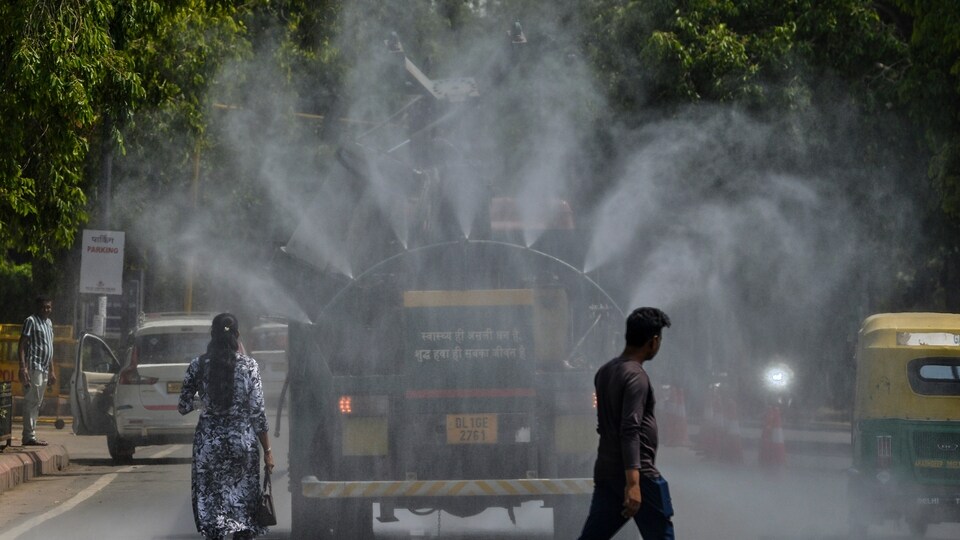
- Conduct mechanised sweeping and water sprinkling on roads and ensure scientific disposal of collected dust at designated sites or landfills.
- Increase the use of anti-smog guns, water sprinkling, and dust suppression in road construction, widening, repair, and maintenance projects.
- Strictly ban open burning of biomass and municipal solid waste, and monitor landfill sites to prevent burning incidents.
- Deploy traffic police to manage flow at busy corridors and congestion-prone intersections.
- Encourage offices to implement unified employee commuting to reduce road traffic.
- Ensure hotels, restaurants, and open eateries use only electricity, gas, or other clean fuel appliances.
- Ensure industries in NCR, including brick kilns and hot mix plants, use only approved fuels and enforce closure for violations.
- Enforce the Supreme Court order diverting non-destined truck traffic for Delhi through the Eastern and Western Peripheral Expressways.
- Ensure dust mitigation measures are implemented in C&D activities and that C&D waste is managed responsibly.


Stay updated with all top Cities including, Bengaluru, Delhi, Mumbai and more across India. Stay informed on the latest happenings in World News along with Delhi Election 2025 and Delhi Election Result 2025 Live, New Delhi Election Result Live, Kalkaji Election Result Live at Hindustan Times.


