
 E-Paper



With tomato priced out of Delhi-NCR kitchens, pumpkin steps up
The coming weeks will continue to see a spiked price in most vegetables including tomatoes, chillies and other staples in the kitchen

 Prefer HTon Google


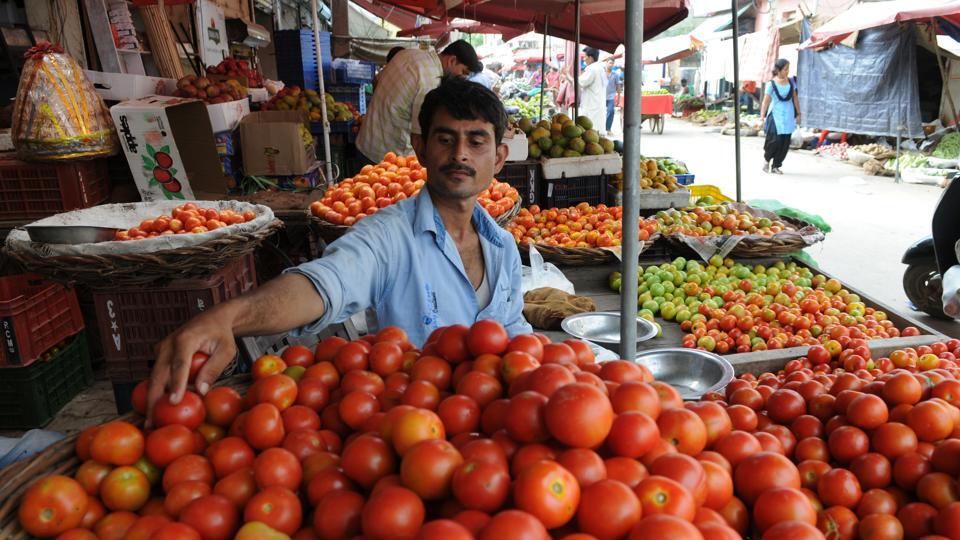
In the battle for tomatoes, the humble pumpkin has emerged as a winner. After the price of tomatoes shot up in the last few days due to heavy rain leading to crop damage, the demand for pumpkin has spiralled, driving up its price at both wholesale and retail markets. A large part of the demand, vendors said, was coming from hotels and restaurants that have switched to pumpkin for use in soups, ketchup and gravies to manage costs.
Read here: Man sells tomatoes at ₹20 per kg for a day in Chennai. But there is a catch
Munna Choudhary, a wholesale vendor in Azadpur Mandi in north Delhi, said he used to sell five trucks of tomatoes every day and one truck of pumpkin till last month. “Now we are selling five trucks of pumpkin and two trucks of tomatoes. The suppliers who used to deal in tomatoes are selling pumpkins also. The pumpkin price is likely to go up further due to the demand. More than 5,000 kilograms of pumpkin is being sold every day at a price of ₹35 per kilogram which is further sold for ₹60/kg in retail market in Delhi, Noida, Ghaziabad and Gurugram. Earlier we used to sell 1,000 kilograms of pumpkin,” he said.
Rajinder Sharma, former chairman of Agricultural Produce Marketing Committee (APMC) at Azadpur, believed that restaurants were buying pumpkin in bulk as a cheaper substitute for tomatoes, which have been selling for ₹100 to 150 for a kilogram in the wholesale market since early June. The price started to spike from June 10.
And Sharma is not wrong.
Read here: Heat of soaring tomato price reaches McDonald’s. Here's what fast food chain said
A sous chef at a prominent hotel in Gurugram said that they were using 50 kilos of tomatoes on a daily basis in their kitchens but have now cut it down to only five kilos. The pumpkin consumption, on the other hand, went up from two kilograms to 10 kilograms in the last two weeks, he said while requesting to stay anonymous.
Another chef at a luxury hotel in Gurugram shared a trade secret after much coaxing. “We are using mashed pumpkins for gravy dishes such as chicken and paneer dishes. It also goes well with soups. Just add a bit of colour and vinegar to build the perfect taste of tomatoes. Sometimes, we also use a tablespoon of ketchup for colour,” he said.
This can work for texture and not taste, offered Chhavi Lath, a home chef, who did not endorse the idea but agreed that it could work in commercial kitchens.
So, with the bulk customer base expanding and vendors desperately trying to keep the supply coming, the pumpkin had to become pricy.
Sanjay Gambhir, a vendor at Khandsa Mandi in Gurugram, said that a packet of pumpkin of 40 kilogram was earlier sold for ₹600 and now they are selling it for ₹1400, affecting the retail price too.
Dilip Kumar, a pumpkin seller at Azadpur in north Delhi, said that the wholesale price of pumpkin last week was no more than ₹5 per kg. It was between ₹22 and ₹30 per kg, depending on the variety and quality, he said.
Pumpkins come into Delhi and the adjacent districts from Nuh in Haryana, Rajasthan, Punjab, Orissa and Assam.
Pumpkin is grown during the time period of January to March and September to December. Shopkeepers said it is sold throughout the year.
Babu Ram, a wholesale shopkeeper of Gurugram’s Khandsa mandi said that orange pumpkin is the traditional and most popular.“The sale is high during wedding season between May and August and September to January. The pumpkin is supplied from Nuh, Rajasthan, Orissa and Punjab,” he said.
Some traders also said the price increase of pumpkin is an annual trend as many vegetables become expensive during the monsoon.
But Fareed Khan, a transporter in Nuh, who supplies pumpkin to Delhi and Gurugram mandis, said this season was different as the supply has gone up tremendously due to the sudden demand from wholesale market. The wholesale shopkeepers are also offering to pay extra for exclusive supply.
He said that he has been supplying 10 vans full of pumpkin every morning for the last eight years instead of the usual three vans. “The pumpkin hardly ever got the current returns of ₹15 to 20 per kilogram. They used to sell for ₹4 to ₹6 but this season is one of the best for them,” he said.
After tomato and pumpkin, prices of vegetables, bitter gourd, brinjal, cauliflower, and potatoes have hit the roof.
Read here: Tomatoes cost ₹160/kg in Delhi; 445% jump in price amid 'free iPhone' jokes
The coming couple of weeks will continue to see a spiked price in most vegetables including tomatoes, chillies and other staples in the kitchen. However, Parveen (who wants to go by his first name), a wholesale dealer in the Azadpur mandi, said that crops from the South have started to come in and as the supply from the South increases throughout the weeks, the prices will stabilize within the next month.
Ram Kumar, a cook at an eatery on Sohna Road, said that they cater to over 400 people every day and their outlets is one of the oldest on the stretch. “Whenever the tomato prices go up, we use pumpkin as that the most innocent vegetable and can use used in any curry recipes. Tomato soup is always in demand and pumpkin is best to match the taste,” he said.
In these exorbitant times, the humble pumpkin comes to the rescue.


